


 Food & Culture
Food & Culture
Traditional Russian Drinks: Tea, Kvass, Vodka and More
Explore Russia’s rich beverage culture, from tea, kvass, and kompot to vodka, mead, and regional specialties shaped by seasons and tradition.
 Food & Culture
Russian beverages reflect a profound connection to nature, seasons, and social customs, offering a spectrum from invigorating non-alcoholic staples to potent alcoholic elixirs. Far beyond the vodka stereotype, these drinks emphasize fermentation, herbal infusions, and communal enjoyment, integral to meals and gatherings across the vast country.
Everyday Non-Alcoholic Refreshers
Non-alcoholic drinks form the backbone of Russian hydration, favored for their simplicity and health benefits in a climate marked by harsh winters and fleeting summers. Tea reigns supreme, but fruit-based infusions and fermented options provide variety year-round.
The Ubiquity of Tea
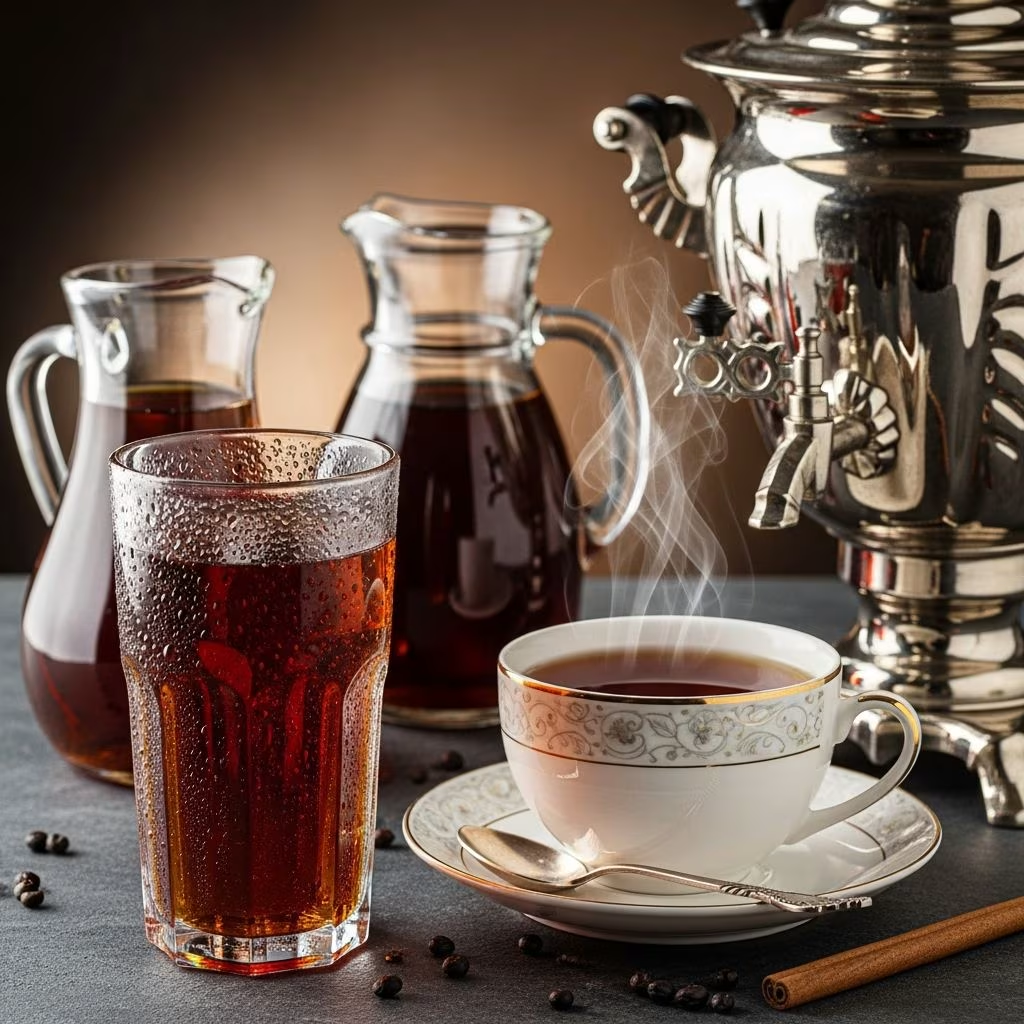
Tea, or chai, holds national treasure status in Russia, introduced via trade routes from China in the 17th century and now consumed by millions daily. Strong black varieties, often sweetened but never with milk, warm bodies during long winters and fuel social interactions. Russians brew it in samovars—ornate metal urns—for prolonged steeping, serving it alongside jams or preserves for dipping. In cities like Moscow, historic venues such as the Perlov Tea House evoke imperial elegance, where patrons savor blends like Russian Caravan, a smoky mix evoking caravan trails. Urban cafes offer modern twists, yet the ritual persists: multiple cups per sitting, fostering conversation.
Kompot and Vzvar: Fruitful Homemade Delights
Kompot, a sweet infusion of boiled fruits and berries like apples, cherries, or strawberries, serves as a staple lunch companion. Simmered with sugar, it yields a vibrant nectar where drinkers enjoy softened fruits at the glass bottom, delighting children especially. Similarly, vzvar thickens into a pudding-like treat with added honey and herbs, prized for its immune-boosting properties. These drinks highlight resourcefulness, transforming seasonal harvests into nutritious beverages without waste.
- Preparation tip: Boil mixed fruits for 20-30 minutes, strain lightly, and chill for summer refreshment.
- Health angle: Packed with vitamins, they support digestion and hydration naturally.
Fermented Favorites: Kvass and Ryazhenka
Kvass, fermented from rye bread, buckwheat, or fruits, delivers a tangy, soda-like fizz with minimal alcohol (around 1-1.5% ABV), making it a summer essential. Street vendors dispense it from barrels, while home versions use berries for fruity notes. Darra Goldstein notes its ancient roots pre-dating vodka, positioning it as deeply Russian. Ryazhenka, a caramel-hued fermented milk yogurt, offers probiotic richness; locals mix it with vodka for creamy cocktails mimicking piña coladas.
Alcoholic Traditions and Modern Twists
While vodka symbolizes festivity, Russia’s alcohol palette spans meads, beers, and liqueurs, often infused with local botanicals for distinctive profiles.
Vodka: More Than a Stereotype
Vodka, derived from grains or potatoes, is downed neat in shots, chased by zakuski—pickles, herring, or borscht—to cleanse the palate. Brands like Stolichnaya, Russky Standart, and flavored variants (Zubrovka with bison grass, Pertsovka with peppers) showcase diversity. Russian bartender Narzi insists on pairing with substantial foods like meats or soups, avoiding cocktails to honor tradition. Far from daily excess, it’s reserved for toasts with purpose, from funerals to New Year’s caviar feasts.
| Flavored Vodka | Key Infusion | Tasting Notes |
|---|---|---|
| Zubrovka | Bison grass | Herbal, almond-like |
| Ryabinovka | Rowan berries | Tart, fruity |
| Starka | Aged in oak | Smooth, oaky depth |
| Pertsovka | Hot peppers | Spicy kick |
Medovukha and Sbiten: Honeyed Heritage
Medovukha, a mead-like honey wine (2-12% ABV), ferments with yeast, fruits, or spices, tracing to medieval times. Its sweet warmth suits holidays. Sbiten, dubbed Russian mulled wine, simmers honey with ginger, cloves, and citrus—once ubiquitous before tea’s rise. Both evoke Slavic antiquity, available at markets or festivals.
Beer’s Rising Tide
Beer, or pivo, surges in popularity, especially summer lagers like Baltika (strengths 3-9), Stariy Melnik, or Nevskoe. Craft scenes in Moscow and St. Petersburg revive dark porters lost in Soviet eras, with bars showcasing microbrews. Russians sip it casually, even en route to work.
Seasonal and Regional Specialties
Russia’s expanse yields hyper-local drinks tied to terroir and calendar.
Winter Warmers and Spring Saps
Sbiten and spiced teas combat frost, while spring brings beriozovitsa—lightly fermented birch sap, effervescent and mineral-rich. Kalmyk tea, salted and buttered in southern republics, offers nomadic sustenance.
Kissel and Coffee Raf: Sweet and Creamy Innovations
Kissel, a berry-starch thickened drink verging on dessert, soothes throats. Urban coffee culture introduces Raf—velvety espresso with cream and vanilla, a St. Petersburg invention.
Cocktails and Home Distillates
Samogon, homemade moonshine akin to vodka, persists rurally. Iconic White Russian—vodka, coffee liqueur, cream—nods to civil war history. Yorsh mixes beer and vodka for a bold hybrid. Bartenders shun vodka mixes traditionally, favoring purity.
Drinking Etiquette and Cultural Insights
Toasts precede shots; never sip vodka—gulp and chase. Women may opt for fewer rounds. Tea accompanies all, symbolizing hospitality. Markets and dachas yield freshest brews; avoid overindulgence amid potent options.
Frequently Asked Questions
What is Russia’s national drink?
Tea surpasses vodka as the everyday essential, integral to culture.
Is kvass alcoholic?
Typically low (1-1.5% ABV), it’s refreshing like soda.
How to drink vodka properly?
Neat shots with zakuski; pair with pickles or soups.
Best beers to try?
Baltika series or craft darks in cities.
Non-alcoholic options for kids?
Kompot, vzvar, and kissel delight young palates.
These beverages weave Russia’s story: resilience in fermentation, warmth in tea, celebration in spirits. Travelers gain deeper appreciation sampling them contextually.
References
- Traditional Russian Drinks: Alcoholic & Non-Alcoholic Beverages — Travel All Russia. 2023. https://www.travelallrussia.com/blog/traditional-russian-drinks
- Eating and drinking in Russia — Rough Guides. 2022-10-15. https://www.roughguides.com/russia/eating-drinking/
- Food and Drink in Russia — World Travel Guide. 2024. https://www.worldtravelguide.net/guides/europe/russia/food-and-drink/
- What Do Russians Really Drink? — Alcohol Professor. 2023-05-12. https://www.alcoholprofessor.com/blog-posts/what-do-russians-drink
- How to Drink Vodka, According to a Russian Bartender — VinePair. 2022-11-08. https://vinepair.com/articles/russian-bartender-drinking-vodka-guide/
- 34 Best Beverages in Russia — TasteAtlas. 2025-01-20. https://www.tasteatlas.com/best-rated-beverages-in-russia
← Previous
Hurricane Dorian Travel Impact on Florida and the Bahamas
Next →
Ghent Altarpiece: History, Symbolism & Van Eyck’s Masterpiece
Related Reading
More in Food & Culture
Food & Culture Food & Culture
 Food & Culture
Best Places to Eat in Rome: Neighborhood Dining Guide
 Food & Culture
 Food & Culture