


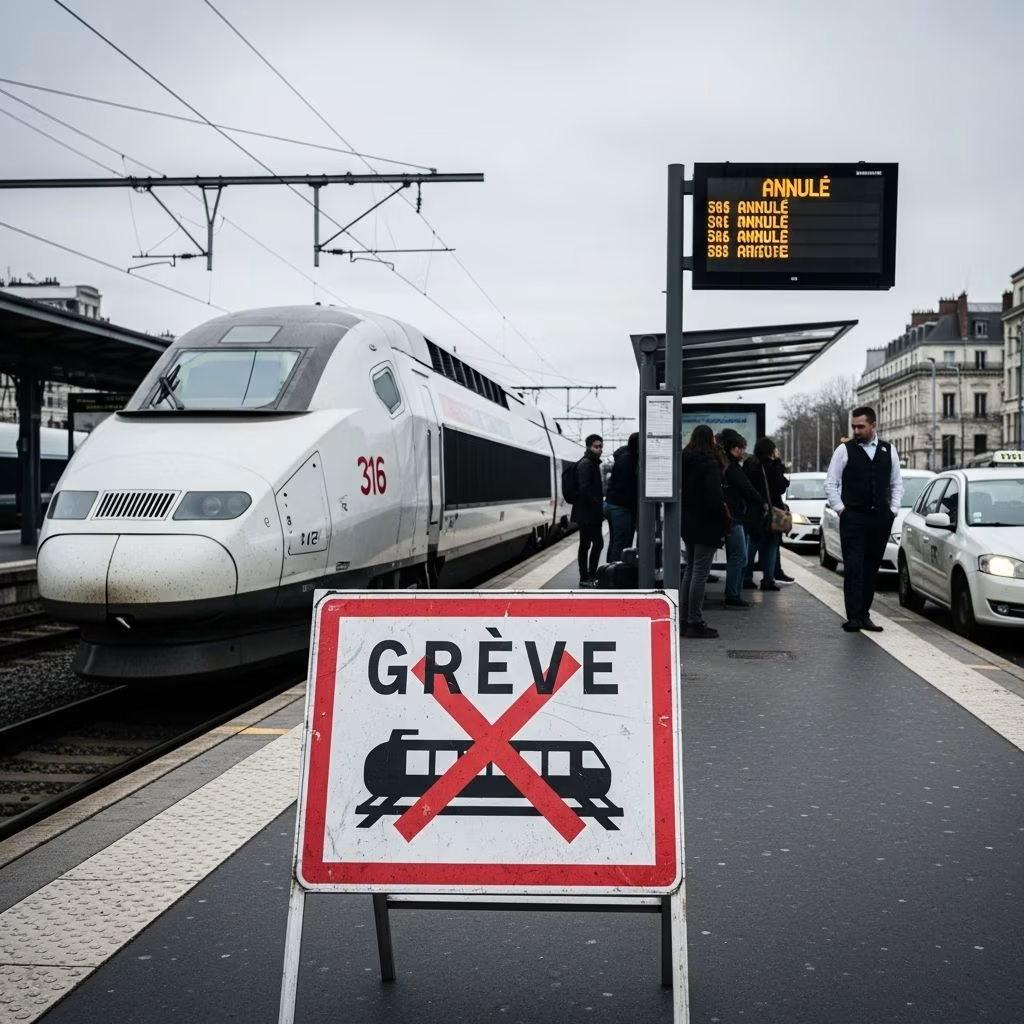
France has a long tradition of labor movements and industrial action, which frequently results in widespread disruptions to transportation networks. These strikes can significantly impact travelers, businesses, and supply chains, affecting everything from international railways to domestic flights and road networks. Understanding how these disruptions occur, what sectors are typically affected, and how to prepare for them is essential for anyone planning travel to or through France.
Understanding the Nature of French Labor Actions
Transportation strikes in France operate under a unique framework that distinguishes them from typical labor actions in other countries. The distinction between formally organized strikes and broader social blockades is particularly important for travelers to understand. Formal strikes typically follow established protocols and are announced in advance, allowing people to plan accordingly. However, France also experiences what are termed “social movements” or “blockades,” which follow no predetermined rules and can emerge or evolve with minimal warning.
These labor actions are called for various reasons, including disputes over wages, working conditions, pension reforms, and broader political issues. Multiple unions representing different sectors—including rail workers, truck drivers, taxi drivers, and airport personnel—may coordinate their efforts or act independently, creating complex and unpredictable disruptions.
Impact on Rail Transportation Networks
France’s extensive rail network, operated primarily by the national railway company SNCF, represents one of the most frequently affected transportation sectors during strikes. The impact varies considerably depending on the nature and scope of the action. It is a common misconception that all rail services shut down during a strike; in reality, the disruptions are often more selective and nuanced.
Partial Network Disruptions: Rail strikes in France frequently affect only specific lines or regions rather than the entire national network. High-speed TGV services may continue operating while regional TER trains face cancellations or delays. Conversely, commuter lines such as Transilien services might be unaffected while intercity routes experience significant disruption. SNCF typically provides information about which specific lines are impacted one to two days before a scheduled strike date.
International Rail Services: International rail operators that traverse French territory—including Eurostar, Thalys, TGV Lyria, and Deutsche Bahn—can experience delays or cancellations even when not directly on strike. This indirect impact occurs because these services depend on SNCF infrastructure, staff, and operations. Routes between France and Switzerland, Germany, and other neighboring countries are particularly susceptible to cascading disruptions.
Passenger Notification Systems: SNCF passengers booked on affected services are typically notified via SMS or email (provided they have registered contact information with the railway company). However, it is advisable to check official SNCF channels and dedicated strike information websites before traveling, as strike schedules can change or be canceled on short notice, sometimes within just 24 hours of the scheduled action.
Air Travel and Airport Operations
Airport operations and air travel are vulnerable to disruptions during French strikes, though the impact patterns differ from rail disruptions. Strikes affecting airport ground staff, air traffic controllers, or security personnel can cause cascading delays and cancellations affecting both domestic and international flights.
Airport blockades—where protesters establish physical barriers preventing normal operations—represent a particularly severe form of disruption. During coordinated strike actions, unions may target major French airports including Paris-Orly, Paris-Charles de Gaulle, and regional airports in cities such as Lyon, Marseille, and Nice. Such blockades can ground flights for extended periods and create significant logistical challenges for airlines and passengers.
Travelers should monitor airline websites and contact their carriers directly during periods of anticipated labor action. Many airlines adjust schedules preemptively when strikes are announced, and some passengers may be offered rebooking options or compensation depending on airline policies and flight circumstances.
Road Transportation and Freight Networks
The road transportation sector experiences unique vulnerabilities during French strikes. Heavy truck drivers represent a particularly influential constituency in French labor movements, as they control critical supply chains and have the power to create significant economic disruption. When major trucking unions participate in strike actions, road freight flowing into, out of, and within France can experience substantial delays.
Supply Chain Implications: Blockades of highways, border crossings, fuel distribution sites, and logistics hubs can severely constrain just-in-time supply chains that modern commerce depends upon. Businesses relying on French supply routes may need to reroute shipments or accept extended transit times.
Rental Car Availability: During transportation strikes, rental vehicle availability in major cities becomes severely constrained as both tourists and local residents seek alternative transportation options. Rental car prices typically increase, and inventory becomes depleted quickly. Planning ahead and securing rental vehicles well before anticipated strike dates is advisable.
Taxi and Ride-Share Services: Taxi unions sometimes organize separate protest actions targeting specific sectors or labor disputes. During these periods, traditional taxi services may be unavailable or operating at reduced capacity. Ride-sharing services may experience surge pricing and longer wait times.
Advance Planning Strategies for Travelers
Effective preparation significantly reduces the stress and uncertainty associated with traveling during periods of labor action in France.
Timing Considerations: Where possible, schedule travel to avoid known strike dates. France’s major unions typically announce strike action several days or weeks in advance, particularly for recurring actions. Checking official strike calendars and union announcements before booking provides valuable information for making informed travel decisions.
Documentation and Registration: Register your travel plans with transportation providers. Providing contact information to airlines and rail operators ensures you receive notifications about cancellations or delays. This allows for earlier rebooking and reduces confusion during disruptions.
Flexible Itineraries: Build flexibility into travel schedules by maintaining extra time between connections and avoiding tight connections during potential strike windows. This buffer allows for missed connections or delays without missing subsequent bookings.
Alternative Transportation Research: Identify backup transportation options before strikes occur. Coach services such as Flixbus often experience increased demand during transportation strikes but frequently continue operating when other transit modes are disrupted. Regional transportation networks and ride-sharing services may provide alternatives when primary transit options are unavailable.
Information Resources and Real-Time Updates
Obtaining accurate, current information is critical during transportation disruptions.
- Official SNCF Website: Provides official strike dates, affected lines, and passenger support options for rail disruptions
- French Labor Union Websites: Union announcements often precede official government or transportation company statements
- Transport Authority Apps: Many French cities maintain mobile applications providing real-time transit information and strike status updates
- Embassy or Consulate Notifications: Foreign embassies often communicate travel advisories and disruption information to citizens
- Local News Services: French media outlets provide comprehensive coverage of strike impacts and transportation status
Contingency Planning for Business and Logistics
Organizations relying on French transportation networks should develop contingency protocols for strike periods.
Supply Chain Adjustments: Increase lead times for shipments during announced strike periods. Reroute critical shipments to bypass France when possible, or arrange alternative distribution methods such as air freight or maritime routes.
Stakeholder Communication: Maintain regular communication with logistics partners, freight forwarders, and transportation providers. Early notification of disruptions allows for faster adaptive responses and customer communication.
Inventory Management: Strategic inventory positioning before anticipated strikes can buffer against supply interruptions. Positioning additional stock at distribution points minimizes downstream impact when transportation becomes unavailable.
Common Misconceptions About French Strikes
Several widespread assumptions about French transportation strikes are inaccurate or oversimplified.
| Misconception | Reality |
|---|---|
| All transportation stops during strikes | Disruptions are often partial, affecting specific lines, regions, or services while others operate normally |
| Strikes always occur as announced | Strikes are frequently called off or postponed on short notice due to last-minute negotiations |
| Strikes follow predictable patterns | While some strikes are scheduled regularly, social blockades follow no established rules and emerge unpredictably |
| One sector’s strike affects all transportation | Disruptions in one sector (rail, air, road) operate independently and impact travel differently |
FAQs About Transportation Strikes in France
- How far in advance are French transportation strikes typically announced?
- Major strikes are often announced several days to weeks in advance, though some are confirmed only 24 hours before the action begins. Continuously monitoring official sources is recommended.
- Will my international flight be canceled if there’s a strike at Paris airports?
- Not necessarily. Disruptions depend on strike scope and duration. Airlines often adjust schedules preemptively, and many flights may operate with delays rather than cancellations. Contact your airline directly for specific flight status.
- Can I travel by car during strike periods without disruption?
- Road travel may be affected if highways are blocked or fuel distribution is disrupted. However, personal vehicle travel is generally less affected than public transportation and freight logistics.
- Should I reschedule my trip if a strike is announced?
- This depends on your flexibility and the strike’s scope. If strike dates are firm and your itinerary is rigid, rescheduling may reduce stress. If you have flexibility, monitoring developments and maintaining backup plans may allow travel to proceed.
- What compensation is available for strike-related travel disruptions?
- Compensation depends on your ticket type, transportation provider, and disruption circumstances. EU regulations mandate compensation for certain flight and rail delays, though airline and railway policies vary. Document disruptions and contact providers directly about compensation eligibility.
Preparing for Strike Uncertainty
French transportation strikes represent an inherent element of travel to and through France. Rather than viewing strikes as insurmountable obstacles, informed travelers can prepare proactively through advance research, schedule flexibility, and awareness of backup options. By understanding how different transportation sectors respond to labor actions, monitoring official information channels, and building contingency plans into travel itineraries, travelers can navigate disruptions effectively while maintaining reasonable schedules and managing expectations realistically.
The key to successful travel during potential strike periods involves combining practical preparation with psychological flexibility. Maintain realistic expectations about possible delays, build extra time into critical connections, and cultivate backup transportation plans. This approach transforms potential disruptions from catastrophic surprises into manageable inconveniences.
References
- Strikes in France expected to disrupt transport — LEMAN. 2025-09-10. https://leman.com/news-and-insights/strikes-in-france-expected-to-disrupt-transport/
- Impact of the nationwide shutdown/strike in Paris on September 10 — Rick Steves Community Forum. 2025. https://community.ricksteves.com/travel-forum/france/impact-of-the-nationwide-shutdown-strike-in-paris-on-september-10-2025-trains-louvre-museum
- Train Strikes in France 2026: SNCF Strike Dates, Travel Tips & What to Know — Travel France Bucket List. 2026. https://travelfrancebucketlist.com/train-strikes-in-france-info-tips/

