

 Travel Essentials
 Travel Essentials

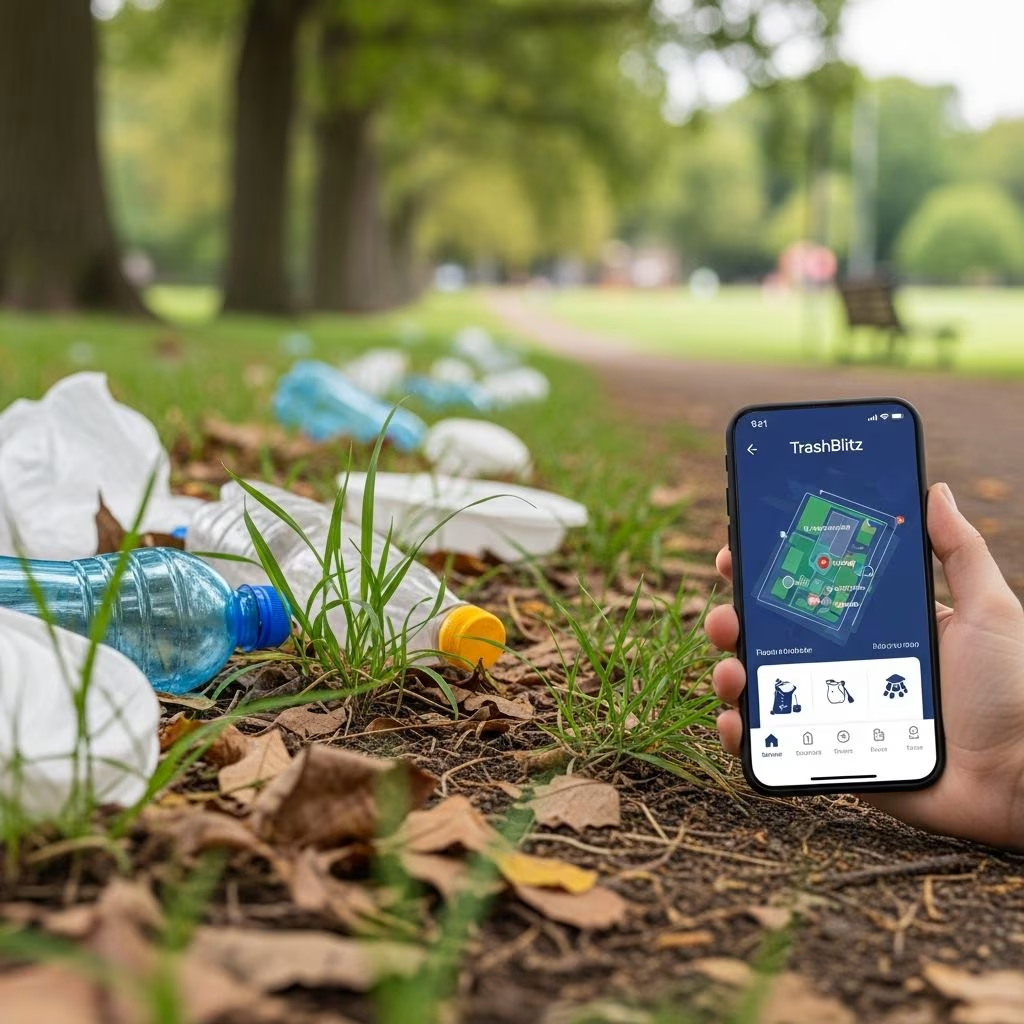
The TrashBlitz app by 5 Gyres Institute turns park visitors into scientists, logging trash data to combat plastic pollution and influence policy changes.
 Travel Essentials
The TrashBlitz app, developed by the 5 Gyres Institute, transforms everyday park visitors into environmental detectives. By simply logging trash encountered during hikes or cleanups, users contribute to a massive dataset that reveals pollution patterns and pushes for real-world solutions. This citizen science tool targets plastic waste dominating U.S. national parks and federal lands, where nearly 85 percent of litter is plastic-based.
National parks symbolize pristine wilderness, yet they face an invisible invasion from single-use plastics. Food wrappers, bottle caps, and wipes litter trails, harming wildlife and ecosystems. Data from 2024 efforts shows plastic comprising 77 percent of reported trash, with food wrappers leading, followed by soda bottles and cleaning products. Paper, metals, and textiles make up smaller shares, highlighting plastic’s dominance.
These parks, managed by agencies like the National Park Service and Bureau of Land Management, attract millions annually. Visitor convenience often trumps sustainability, leaving behind disposables that persist for centuries. The 5 Gyres Institute’s initiatives quantify this issue, turning anecdotal sightings into actionable insights.
At its core, TrashBlitz simplifies data collection. Users download the free app or use the web platform, select an event like Plastic-Free Parks, and log items by brand, material, and type while cleaning. Working in pairs—one collects, one records—maximizes efficiency. Post-cleanup, data submits to global, national, and local databases, informing policies from park rules to federal bans.
This process occurred in 259 activations across 58 sites in 2024, including Yosemite, Joshua Tree, and Olympic National Parks. Results feed into reports that pressure brands and lawmakers for change.
Plastic-Free Parks anchors annual TrashBlitz efforts on U.S. national parks and federal lands. Volunteers sign up for resources, visit sites, and document waste via the app. The goal: pinpoint prevalent items, brands, and materials to craft targeted interventions, like reusable alternatives or vendor shifts.
Early findings confirm plastics at 85 percent of waste, urging expansions of the 2022 U.S. Department of the Interior’s single-use plastic sales ban. Beyond parks, data supports community cleanups in cities like Los Angeles, Denver, and Austin.
Not limited to parks, TrashBlitz Anywhere lets anyone log data from beaches, streets, or neighborhoods. Florida volunteers use a state-specific channel, building regional insights. This scalability amplifies impact, as aggregated data influences everything from local ordinances to international treaties.
Individuals or groups participate anytime, fostering a culture of accountability. Reports from these efforts reveal urban-rural waste parallels, strengthening cross-sector advocacy.
The TrashBlitz Community Fund empowers grassroots groups with $10,000 grants for large-scale blitzes. Awardees collect 15,000+ data points over six months, receiving toolkits, training, and report support. Priority goes to environmental justice, BIPOC-led, or frontline community organizations.
2024 applications closed April 1, with notifications by April 5. Requirements include 501(c)(3) status, cleanup experience, and U.S. focus. This investment scales citizen science, turning local data into national narratives.
| Campaign Type | Focus Areas | Key Benefits |
|---|---|---|
| Plastic-Free Parks | National parks, federal lands | Policy influence, site-specific solutions |
| TrashBlitz Anywhere | Any location worldwide | Flexible participation, broad datasets |
| Community Fund Projects | Regional U.S. hotspots | Funding, support, high-volume data |
TrashBlitz data drives tangible change. The 2024 report detailed volunteer stories and stats, spotlighting plastic’s ubiquity. It bolsters the Interior Department’s plastic ban and inspires campaigns for reusable gear among visitors.
Globally, 5 Gyres uses this to advocate against ocean-bound plastics, linking land litter to marine threats. Locally, brands face scrutiny over prevalent products, prompting redesigns or park exclusions.
Despite successes, hurdles remain. Volunteer consistency, data accuracy, and weather logistics test efforts. Training mitigates errors, but scale requires more users. Preemption laws in some states hinder local bans, prioritizing funded groups.
Yet, engagement grows: 2024’s 259 events show momentum. Expanding to territories and associated states broadens reach.
These habits reduce personal footprints while amplifying collective data power.
TrashBlitz leverages **citizen science**, where public contributions fuel research. Standardized logging ensures comparability, from microplastics to macro litter. AI potential looms for pattern detection, but human verification keeps integrity high.
Reports visualize trends: pie charts of materials, heatmaps of hotspots. This democratizes environmental monitoring, traditionally expert-only.
Looking ahead, 5 Gyres eyes app enhancements like photo uploads and real-time analytics. Partnerships with parks could integrate TrashBlitz into visitor centers. Global expansion might adapt for other nations’ protected areas.
With legislation evolving—consider extended producer responsibility laws—TrashBlitz positions citizens at policy forefronts. Sustained participation could halve park plastics in a decade.
A free tool for logging trash data during cleanups, contributing to anti-pollution efforts in parks and beyond.
No—training videos and guides make it accessible for all ages and skill levels.
It builds datasets for reports that influence brands, parks, and laws to cut waste.
Yes, via TrashBlitz Anywhere for any location.
Groups can apply for $10,000 funds; individuals gain impact and community.
Food wrappers (top), bottles, caps, wipes—85% total plastic waste.
