

Food & Culture Stays Travel Essentials Travel Guides Trip Ideas
Categories
From the Blog
Remy’s Ratatouille Adventure at EPCOT: Ride Review, Tips & 2D Update
Travel Essentials

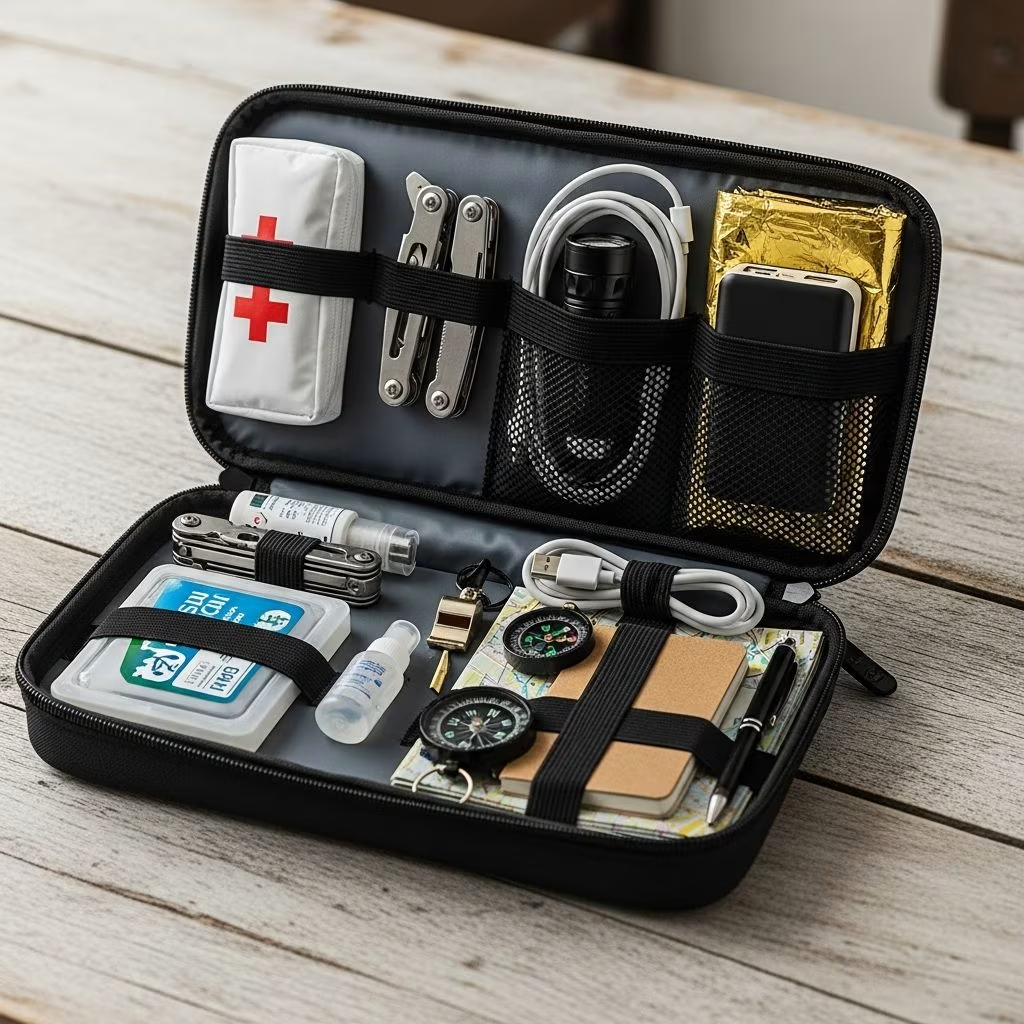
Travel Emergency Kit: What to Pack for Safety and Preparedness

Build a compact travel emergency kit with the right medical, hygiene, and safety supplies to handle injuries, illness, and delays on the go.
Travel Essentials

Traveling opens doors to new experiences, but unexpected challenges like injuries, weather shifts, or medical issues can disrupt plans. A well-prepared emergency kit acts as your safeguard, providing tools to manage crises until help arrives. Drawing from guidelines by health authorities, this guide outlines how to build a compact, effective kit suited to various trips, from urban drives to remote hikes.

Why Every Traveler Needs an Emergency Kit

Emergencies strike without warning—cuts from a fall, allergic reactions, or vehicle breakdowns. Organizations like the Centers for Disease Control and Prevention (CDC) and emergency physicians stress packing a dedicated kit to handle common issues. For instance, a basic kit can treat minor wounds or dehydration, potentially preventing escalation. Customize it based on trip duration, destination risks (e.g., insects in tropics), and group needs like children or pets. Store it in carry-on luggage for flights or a vehicle’s glovebox for road trips, ensuring accessibility.

Core Medical Supplies for Any Journey

Start with fundamentals for wound care, pain relief, and infection prevention. These items address most traveler ailments effectively.

  • Bandages and dressings: Include assorted sizes for cuts, plus gauze rolls (2-inch and 4-inch pads), elastic wraps for sprains, and triangular bandages for slings.
  • Antiseptics and ointments: Alcohol-based wipes (60%+ alcohol), hydrogen peroxide, and antibiotic cream to clean and protect wounds.
  • Pain and fever reducers: Acetaminophen or ibuprofen for headaches, sprains, or fever; throat lozenges for irritation.
  • Personal medications: Extra doses of prescriptions in original packaging, plus allergy meds like antihistamines.

For chronic conditions, add a medical alert bracelet and consider insulin or seizure aids if applicable. Premade kits from pharmacies offer a solid base but verify contents match your needs.

Specialized Gear for Outdoor and Adventure Travel

Remote areas demand expanded kits. For hiking or camping, add items for environmental hazards and self-rescue.

ItemPurposeTrip Type
Blister moleskinPrevent and treat foot blistersHiking
Instant cold packsCool sprains, burnsAny outdoor
Tweezers and safety pinsRemove splinters, secure bandagesWilderness
Latex-free glovesInfection controlAll

Waterproof containers protect gear during rain. Include a cigarette lighter for sterilization or signaling fires, though check airline rules. For severe bleeding, a tactical tourniquet can be vital.

Hygiene and Illness Prevention Essentials

Preventive tools curb illness spread, especially in transit hubs.

  • Hand sanitizer and wipes for germ control.
  • Masks (disposable or cloth) for respiratory protection.
  • Hydrocortisone cream for rashes or bites.
  • Oral rehydration salts for diarrhea or heat exhaustion.
  • Sunscreen (SPF 15+) and insect repellent (30% DEET).

A thermometer helps monitor fevers; for infants, opt for rectal types with lubricant.

Tools for Navigation and Communication

Beyond health, sustain connectivity and orientation.

  • Phone charger or portable power bank for calls.
  • Small flashlight, whistle, and mirror for signaling.
  • Compass, waterproof matches, and multi-tool knife.
  • Emergency blanket for hypothermia.

For vehicles, add jumper cables, flares, and water. Duct tape serves multiple fixes, from blisters to gear repairs.

Customizing for Families, Kids, and Pets

Tailor kits to companions. For children: Baby thermometer, petroleum jelly, and child-dose meds. Elderly travelers need extra prescriptions and mobility aids. Pets require tick removers, pet meds, and leashes.

Pregnant individuals or those with conditions should consult doctors for specifics.

Packing Smart: Containers and Maintenance

Use durable, portable bags like totes or waterproof pouches. Check expiration dates quarterly and restock post-use. Take a first-aid/CPR class for proficiency. For international travel, research local regulations on liquids and sharps.

Scenario-Based Kit Enhancements

Road Trips

Focus on car-specifics: Roadside kit with flares, tools, non-perishables for 72 hours.

Beach Getaways

Emphasize sunburn cream, sting relief, and hydration.

International Flights

Carry-on only; liquids under 100ml, no sharps like scissors.

Frequently Asked Questions

What’s the minimum size for a travel kit?

A compact pouch fitting in carry-on suffices for basics; expand for longer trips.

Are premade kits sufficient?

They cover essentials but personalize for gaps like prescriptions.

How often to update the kit?

Every 6 months or before trips; replace expired items.

What if flying internationally?

Pack meds in original labels; declare if needed.

Include food or water?

Energy bars and purification tablets for extended scenarios.

Advanced Items for Extreme Conditions

For high-risk adventures: Stethoscope, syringes for meds, nasogastric tube for dehydration. Pocket CPR mask enhances rescue safety.

Training elevates kit utility—practice scenarios to build confidence.

References

  1. Traveler’s First-Aid Kit — Johns Hopkins Medicine. 2023. https://www.hopkinsmedicine.org/health/wellness-and-prevention/travelers-firstaid-kit
  2. Travel Health Kits — CDC Yellow Book. 2024. https://www.cdc.gov/yellow-book/hcp/preparing-international-travelers/travel-health-kits.html
  3. Traveler’s First Aid Kit — American College of Emergency Physicians. 2023. https://www.emergencyphysicians.org/article/health–safety-tips/travelers-first-aid-kit
  4. 10 Essentials To Keep In Your Emergency Travel Kit — Henry Ford Health. 2022-06-01. https://www.henryford.com/blog/2022/06/10-essentials-to-keep-in-your-emergency-travel-kit
  5. Build a Kit — Alert San Diego. 2024. https://www.alertsandiego.org/en-us/preparedness/BuildaKit.html
ME
medha deb
Medha Deb is an editor with…

Medha Deb is an editor with a master's degree in Applied Linguistics from the University of Hyderabad. She believes that her qualification has helped her develop a deep understanding of language and its application in various contexts. Medha specializes in the areas of beauty, health, sports, and wellness and is committed to ensuring that the content on the website is of the highest quality.Medha's passion for writing and editing began early in life when she joined a book writer's club with her mother. It was there that she discovered her love for the written word and the power it holds to inform, inspire, and transform lives. Since then, she has honed her skills as a writer and editor, working with a variety of clients and publications to produce compelling and informative content. Currently, she writes and edits for CultureTreker.She is also an ardent animal lover and dedicates her time and resources to the foster care of neonatal kittens, providing them with the love and attention they need to thrive. Her commitment to animal welfare is a testament to her compassion and empathy, and it underscores her belief in the importance of caring for the most vulnerable members of our society.

← Previous
Scotland Campervan Road Trip Guide: Routes, Wild Camping & Costs
‹›
