


 Food & Culture
Food & Culture
Travel-Inspired Cocktails to Make at Home
Recreate destination-inspired cocktails at home with authentic techniques, fresh ingredients, and global flavors from Italy to the Caribbean.
 Food & Culture
Travel opens doors to extraordinary experiences, and few pleasures rival sipping a perfectly crafted cocktail while absorbing local culture and scenery. Whether you’ve enjoyed a refreshing aperitif along the Italian coastline or savored a tropical rum punch on a Caribbean beach, these memorable drinks often define the emotional landscape of our journeys. The challenge comes when you return home and yearn to relive those moments. Fortunately, mastering the art of creating destination-inspired cocktails at home transforms your personal bar into a portal to the world’s most enchanting locales.
The Connection Between Travel and Craft Beverages
Cocktails hold a unique position in travel culture. Unlike souvenirs that gather dust on shelves, a well-crafted drink engages all your senses and connects you to a place in real-time. The origins of many classic cocktails are deeply intertwined with specific geographic regions and cultural traditions. Understanding this relationship enhances both your appreciation for the drink and your ability to recreate it authentically.
Many legendary cocktails emerged from iconic establishments in major cities and resort destinations. These venues became destinations themselves, attracting travelers who sought not just a beverage but an experience steeped in local character and heritage. By learning to prepare these drinks properly, you’re not merely mixing ingredients—you’re participating in a tradition that spans continents and generations.
Essential Techniques for the Home Mixologist
Before diving into specific recipes, mastering fundamental mixology techniques ensures your creations taste genuine. Professional bartenders rely on precise methods that distinguish quality cocktails from mediocre attempts.
- Shaking versus stirring: Spirit-forward drinks with minimal citrus or cream benefit from stirring, which maintains temperature while preventing excessive dilution. Drinks containing citrus, juice, or cream require vigorous shaking to blend ingredients thoroughly and create proper dilution.
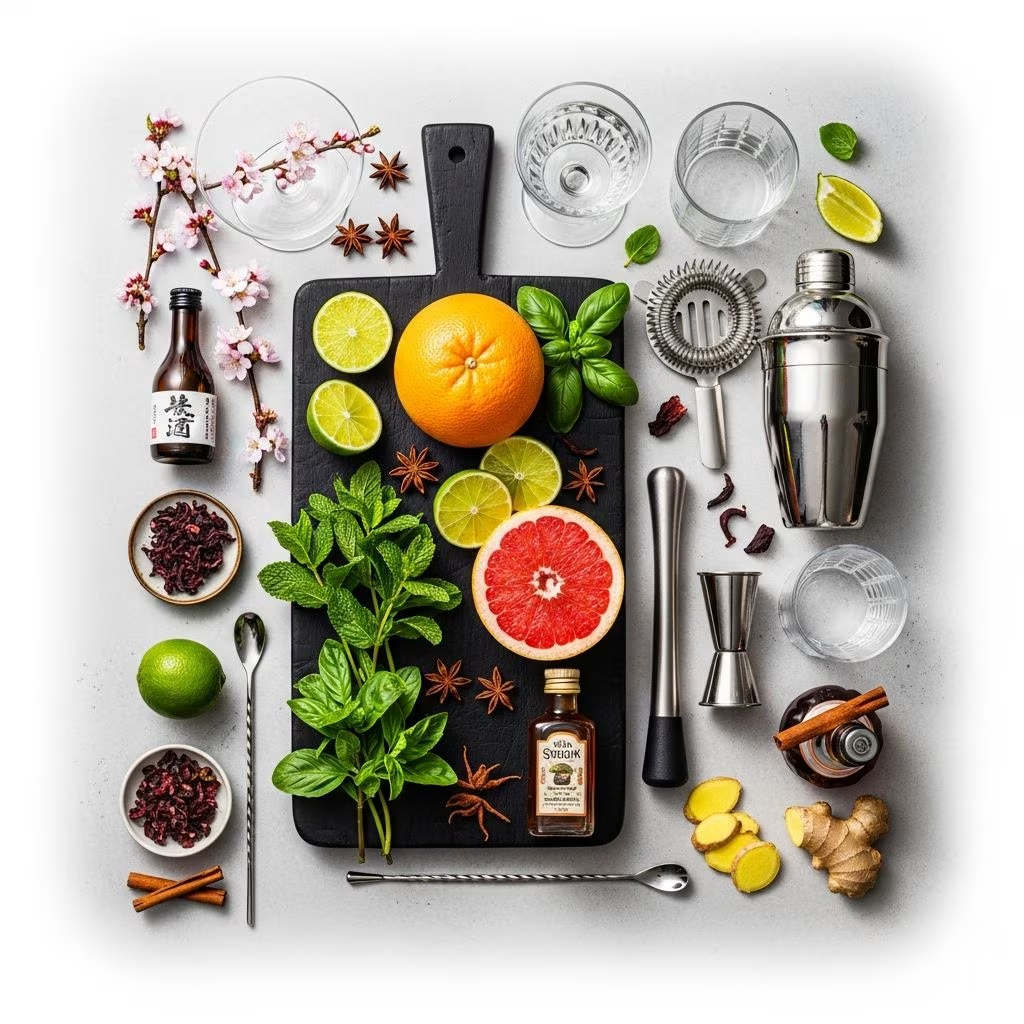
- Muddling: Gently crushing herbs or fruit releases essential oils without creating bitter compounds. Use a muddler’s flat end with deliberate pressure rather than aggressive pounding.
- Straining techniques: A Hawthorne strainer removes ice from shaken drinks, while a fine mesh strainer catches small ice fragments for a silky texture. Many bartenders employ both simultaneously for superior results.
- Temperature control: Pre-chill glassware by filling it with ice while you prepare the drink. This prevents premature warming and ensures optimal flavor delivery.
- Layering and floating: Some cocktails showcase multiple liqueurs through careful layering. Understanding specific gravity helps determine the correct order for ingredients to remain separated.
Mediterranean Elegance: European-Inspired Selections
Europe’s cocktail culture reflects centuries of refinement and regional pride. Mediterranean destinations particularly influenced modern mixology, producing drinks that balance sophistication with approachability.
The Aperol Spritz epitomizes Italian aperitif culture and represents one of the easiest yet most satisfying cocktails to recreate. This low-alcohol beverage emerged as the preferred pre-dinner drink across northern Italy, Austria, and beyond. The formula remains elegantly simple: combine three ounces of chilled Prosecco, two ounces of Aperol, and one ounce of club soda or blood orange soda over ice, then garnish with a fresh orange slice. The key to authenticity lies in the proportion—Aperol should comprise roughly one-third of the drink—and in maintaining proper chilling throughout preparation. This drink exemplifies how European establishments prioritize balance and drinkability over alcoholic intensity.
The French 75 draws inspiration from Belle Époque champagne culture and maintains legendary status among cocktail enthusiasts. While variations exist worldwide, the core components remain consistent: gin provides the spirit base, fresh lemon juice contributes brightness, simple syrup adds sweetness, and champagne or sparkling wine completes the composition. This drink’s versatility has spawned numerous regional adaptations, each claiming authenticity while maintaining the essential character that made the original famous.
Tropical and Caribbean Rum Traditions
Caribbean cocktails embody the region’s laid-back ethos while showcasing the complexity of aged and specialty rums. These drinks often balance strong spirits with tropical fruit elements and refreshing citrus components.
The Mojito represents Cuba’s most iconic cocktail contribution to global mixology. This highball combines light rum, fresh lime juice, mint leaves, simple syrup, and soda water into a refreshing drink that tastes deceptively simple yet demands precise execution. The preparation ritual matters as much as the ingredients: gentle muddling of mint releases aromatic oils without pulverizing the leaves, which would create undesirable bitterness. The drink’s appeal stems from its balance—rum provides alcohol and depth, mint and lime deliver refreshment and brightness, and soda water creates the perfect texture and drinkability for warm climates.
Caribbean Sunset variations showcase tropical fruit combinations that transport drinkers mentally to island destinations. These drinks typically layer coconut rum, pineapple juice, lime juice, and grenadine, often crowned with lemon-lime soda and fresh fruit garnishes. The visual gradient created by the layering process mirrors an actual sunset, making these drinks as visually stunning as they are flavorful.
Mexican Spirits and Agave-Based Creations
Mexico’s contribution to global cocktail culture centers on tequila and mezcal, spirits derived from agave plants that offer complexity ranging from bright and herbaceous to smoky and earthy.
Classic Margaritas remain enduringly popular, though variations abound. The traditional recipe combines two ounces of quality tequila (anejo or reposado recommendations ensure depth), one ounce of Cointreau or triple sec, juice from one fresh lime, and a splash of orange juice, served over ice in a salt-rimmed glass. The tequila selection dramatically influences the final product—young tequilas provide bright, peppery notes, while aged varieties contribute vanilla and oak undertones.
Spicy variations introduce jalapeño or habanero elements, creating drinks with genuine heat alongside the traditional citrus and agave flavors. Some preparations muddle fresh peppers directly into the drink, while others employ spiced syrups or rim seasonings to achieve similar effects. These adaptations appeal to drinkers seeking complexity beyond the standard formula.
American Bourbon and Whiskey Heritage
The United States developed distinctive spirits and cocktail traditions that reflect regional history and ingredient availability. Bourbon, rye whiskey, and American brandy form the backbone of many classic preparations.
The Mint Julep embodies Southern hospitality and bourbon culture. This drink combines bourbon whiskey, fresh mint leaves, sugar or simple syrup, and a splash of water, traditionally served over crushed ice in a silver cup. The ritual of preparation—gently slapping the mint to release aromatics, allowing ice to frost the exterior cup, savoring the drink slowly—matters as much as the ingredients themselves.
The New York Sour represents sophisticated urban mixology with its layered composition. This drink combines bourbon whiskey, lemon juice, and simple syrup, topped with a float of red wine that creates striking visual appeal. The interplay between bourbon’s warmth and wine’s additional complexity produces a drink far more nuanced than its simple ingredient list suggests.
Asian Inspirations and Emerging Regional Styles
Contemporary cocktail culture increasingly draws from Asian flavor profiles and techniques, creating exciting fusion opportunities for home bartenders.
The Phulay Sunset from Thailand demonstrates how traditional Asian ingredients integrate into modern cocktails. This orange-hued creation combines vodka, orange juice, coconut cream, and old ginger, muddled with pineapple and orange puree. The preparation emphasizes balance—old ginger’s complex spiciness counteracts the fruit’s sweetness, creating a drink that tastes simultaneously familiar and exotic. This cocktail illustrates how geographic origin influences flavor philosophy: Thai culinary traditions value balance among sweet, sour, spicy, and umami elements, principles that extend naturally into craft beverages.
Building Your Home Bar: Essential Spirits and Tools
Creating travel-inspired cocktails at home requires thoughtful investment in both spirits and equipment. Prioritize versatile ingredients that anchor multiple recipes.
| Spirit Category | Recommended Selections | Usage Range |
|---|---|---|
| Light Rum | White or silver varieties | Mojitos, Daiquiris, tropical punches |
| Aged Rum | Gold or dark varieties | Sours, tiki drinks, spirit-forward cocktails |
| Tequila | Blanco and Reposado | Margaritas, Palomas, variations |
| Gin | London Dry style | French 75, Negronis, botanical drinks |
| Bourbon | Standard or higher proof | Mint Juleps, Sours, stirred cocktails |
| Aperitivo Liqueurs | Aperol, Campari | Spritzes, Negronis, sours |
Liqueurs and modifiers expand creative possibilities: Cointreau or triple sec for margaritas, elderflower liqueur for floral notes, and various bitters for complexity. These secondary ingredients transform basic cocktails into distinctive creations.
Essential bar tools include a cocktail shaker (Boston shaker preferred by professionals), jigger for accurate measurements, bar spoon for stirring, muddler, Hawthorne strainer, and fine mesh strainer. Quality glassware—including coupe glasses, highballs, rocks glasses, and specialty shapes—ensures drinks are served appropriately. Quality matters more than quantity; three to five essential glass types serve most cocktails effectively.
Fresh Ingredients: The Foundation of Authenticity
Professional mixologists emphasize ingredient quality as the primary determinant of cocktail excellence. Fresh citrus, quality spirits, and authentic modifiers transform adequate drinks into memorable ones.
- Always use freshly squeezed citrus juice rather than bottled alternatives, which contain preservatives that dull flavor and alter taste profiles.
- Select ripe, fragrant fruit for garnishes—not merely decorative afterthoughts but integral flavor components.
- Fresh herbs like mint, basil, and rosemary contribute aromatic qualities that dried alternatives cannot replicate.
- Quality ice prevents dilution issues; clear ice cubes made from filtered water melt slowly and maintain drink temperature effectively.
- Specialty syrups—ginger-infused, herb-forward, or fruit-based—elevate drinks beyond basic sugar solutions.
Frequently Asked Questions
Can I substitute ingredients if I don’t have the exact bottle recommended?
Partial substitutions work within reason. Replacing one tequila brand with another maintains authenticity, as does substituting standard vodka for premium varieties. However, replacing tequila with vodka fundamentally changes the drink’s character. Understand each ingredient’s role: spirit base, sweetness provider, acid component, and aromatic element. Substitutions succeed when they fill the same role without dramatically altering flavor profiles.
Why does my homemade cocktail taste different from the bar version?
Professional establishments benefit from superior ice production, precise measurements, fresh ingredients purchased daily, and years of technique refinement. Recreate their standards through attention to detail: pre-chill glassware, use proper ratios, employ fresh ingredients, maintain cold temperatures throughout preparation, and practice proper technique. Minor variations from bar versions remain acceptable—your home creation shouldn’t replicate exactly but should capture the essential spirit of the original.
How long can I store homemade simple syrups?
Basic 1:1 simple syrups last two to three weeks refrigerated in sealed containers. Syrups with fresh herbs or fruit typically last one to two weeks before degradation occurs. Preserve longer-term syrups by adding a small alcohol percentage or storing in the freezer. Prepare fresh syrups for optimal flavor rather than relying on aged batches.
What glassware should I prioritize if budget is limited?
Start with versatile coupe glasses suitable for stirred drinks, rocks glasses for spirit-forward cocktails, and highball glasses for soda-extended drinks. These three types accommodate most cocktails. Specialty glasses become valuable only after mastering fundamentals with basic glassware.
Cultivating Your Bartending Journey
Mastering travel-inspired cocktails extends beyond memorizing recipes. It encompasses understanding the cultural contexts from which drinks emerged, respecting the traditions of their originating regions, and developing genuine skill in the craft. Each drink tells a story—of the climate that shaped its ingredients, the people who refined its formula, and the occasions that made it memorable.
Begin with cocktails that resonate personally with your travel experiences or aspirations. Practice fundamentals until technique becomes second nature. Invest gradually in quality spirits and tools rather than attempting comprehensive completeness immediately. Experiment with variations while respecting the essential character that makes each drink distinctive.
Your home bar becomes not merely a collection of bottles and glasses but a portal to the world. Every cocktail prepared transports you mentally to its origin, reminding you of actual travels and inspiring future journeys. The combinations are endless, the learning never truly concludes, and the pleasure of sharing skillfully prepared drinks with friends and family creates its own form of travel—one where everyone gathers around your bar.
References
- Aperol Spritz: A Guide to the Classic Italian Cocktail — Urban Bar. Accessed April 2026. https://www.urbanbar.com/blogs/journal/travel-inspired-cocktails
- Travel-Inspired Cocktails to Make at Home — Urban Bar. Accessed April 2026. https://www.urbanbar.com/blogs/journal/travel-inspired-cocktails
- Drinking Around The World: 20 of the Best Travel Inspired Cocktail Recipes — Jetset Christina. Accessed April 2026. https://www.jetsetchristina.com/drinking-around-the-world-20-of-the-best-travel-inspired-cocktail-recipes-drinks-original/
- 19 Travel-Inspired Cocktail Recipes — The TV Traveler. Accessed April 2026. https://thetvtraveler.com/19-travel-inspired-cocktail-recipes/
- 5 Popular Travel-Inspired Cocktails To Make At Home — Samujana. Accessed April 2026. https://samujana.com/5-popular-travel-inspired-cocktails-to-make-at-home/
- Top 19 holiday-inspired cocktails — Olive Magazine. Accessed April 2026. https://www.olivemagazine.com/recipes/collection/travel-inspired-cocktails/
On This Page
The Connection Between Travel and Craft Beverages Essential Techniques for the Home Mixologist Mediterranean Elegance: European-Inspired Selections Tropical and Caribbean Rum Traditions Mexican Spirits and Agave-Based Creations American Bourbon and Whiskey Heritage Asian Inspirations and Emerging Regional Styles Building Your Home Bar: Essential Spirits and Tools Fresh Ingredients: The Foundation of Authenticity Frequently Asked Questions Cultivating Your Bartending Journey← Previous
Hurricane Beryl Recovery in the Caribbean: How to Help
Next →
Best Nudist Resorts in Florida: A Guide to Clothing-Optional Getaways
Related Reading
More in Food & Culture
Food & Culture Food & Culture
 Food & Culture
Best Places to Eat in Rome: Neighborhood Dining Guide
 Food & Culture
 Food & Culture