

 Travel Essentials
 Travel Essentials

Discover essential travel insurance types, key coverages like medical emergencies and trip cancellations, buying tips, and common pitfalls to avoid for secure adventures worldwide.
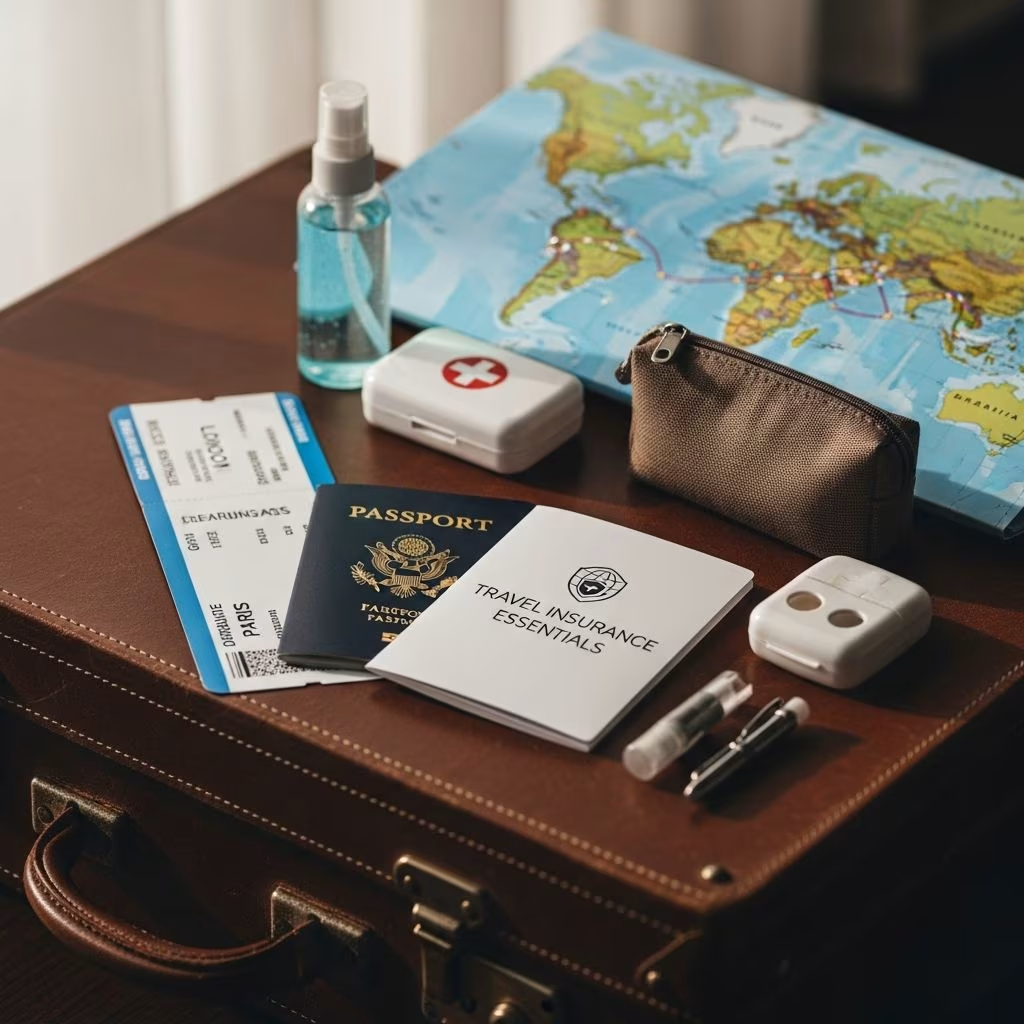 Travel Essentials
Travel insurance serves as a vital safety net for adventurers, shielding against unforeseen events like medical emergencies, flight delays, or lost luggage that can derail even the best-planned trips. By understanding its core components, travelers can make informed choices to safeguard their investments and well-being.
In an era of global mobility, unexpected disruptions are common. Regular health plans often fall short internationally, leaving travelers vulnerable to high medical costs or repatriation expenses. Travel insurance bridges these gaps, offering reimbursement for non-refundable bookings and protection for valuables. For instance, it can cover emergency medical transport, which might cost tens of thousands without prior coverage.
Financial risks extend beyond health: missed connections due to weather or illness can lead to substantial out-of-pocket losses. Policies typically range from 4-10% of trip costs, providing value far exceeding premiums in crises. Frequent travelers benefit from annual plans, while one-off vacations suit single-trip options.
Travel insurance comes in various forms tailored to different needs. Comprehensive packages dominate as they bundle multiple protections into one policy, ideal for most users seeking broad safeguards.
Each policy includes key benefits, but details vary. Here’s a closer look at what to prioritize.
Cancellation reimburses prepaid expenses if you can’t depart due to covered reasons like illness or natural disasters. Interruption covers early returns, refunding unused portions. Tours may include basic protection, but verify. Comprehensive plans often extend to delays over 12 hours, covering meals and lodging.
Abroad, medical bills soar—think $50,000+ for hospital stays. Policies provide direct payment or reimbursement for treatment, with evacuation to advanced facilities or home repatriation. Check for pre-existing condition waivers, available if bought soon after deposits.
Lost, delayed, or stolen items are covered, typically up to $3,000 per person, with daily allowances for essentials during delays. Homeowners’ policies may overlap for basics, but travel-specific plans handle higher limits and international claims.
Many include rental car collision waivers (decline rental agency’s to activate), 24/7 assistance hotlines for lost passports or legal aid, and even identity theft recovery.
| Coverage Type | What It Protects | Typical Limits |
|---|---|---|
| Trip Cancellation | Prepaid non-refundable costs | 100% of trip cost |
| Medical Emergency | Doctor visits, hospital stays | $50,000–$500,000 |
| Evacuation | Transport to hospital/home | Unlimited or $1M+ |
| Baggage Loss | Stolen/delayed items | $1,000–$3,000 |
| Delay | Extra lodging/meals | $100–$500/day |
Start by assessing risks: Evaluate trip cost, destinations, activities, and existing coverages from credit cards or health plans. Use checklists to ensure alignment:
Compare via aggregators, reading fine print for exclusions like pandemics or wars. Primary vs. secondary coverage matters—primary pays first. For families, seek plans with free child inclusions.
Buy early post-deposit for broadest coverage, especially pre-existing waivers (within 15-21 days). Costs hinge on age, trip value, and destinations—expect 4-8% for standard plans.
Annual policies save for multiples; e.g., protect unlimited trips under $10,000 each. Avoid last-minute buys to prevent gaps.
Document everything: photos, receipts, police reports. Contact provider immediately via 24/7 lines for guidance. Most reimburse post-trip, but some pay upfront for medical/evacuation.
Common pitfalls: Not declaring conditions, ignoring deductibles, or assuming credit card perks suffice (they rarely cover medical fully).
No—cards often limit to delays or baggage, excluding medical/evacuation. Layer with dedicated plans.
Not universally, but required for visas (e.g., Schengen) or cruises. Always wise for high-cost trips.
Many waive exclusions if purchased promptly after deposit. Disclose fully.
Base plans exclude; add riders for skiing, diving.
Premium upgrade reimburses 50-75% for non-covered reasons, reducing refund risk.
Imagine a delayed flight stranding you overnight: Policies cover hotels. Or a hiking injury in remote areas—evacuation saves fortunes. For multi-destination jaunts, annual plans streamline protection.
Pro Tip: Review annually as life changes (e.g., new health issues) alter needs. Pair with travel advisories for destination risks.
