

 Travel Essentials
 Travel Essentials

Learn practical packing strategies to travel smarter, reduce luggage weight, and maximize space while maintaining style and comfort throughout your journey.
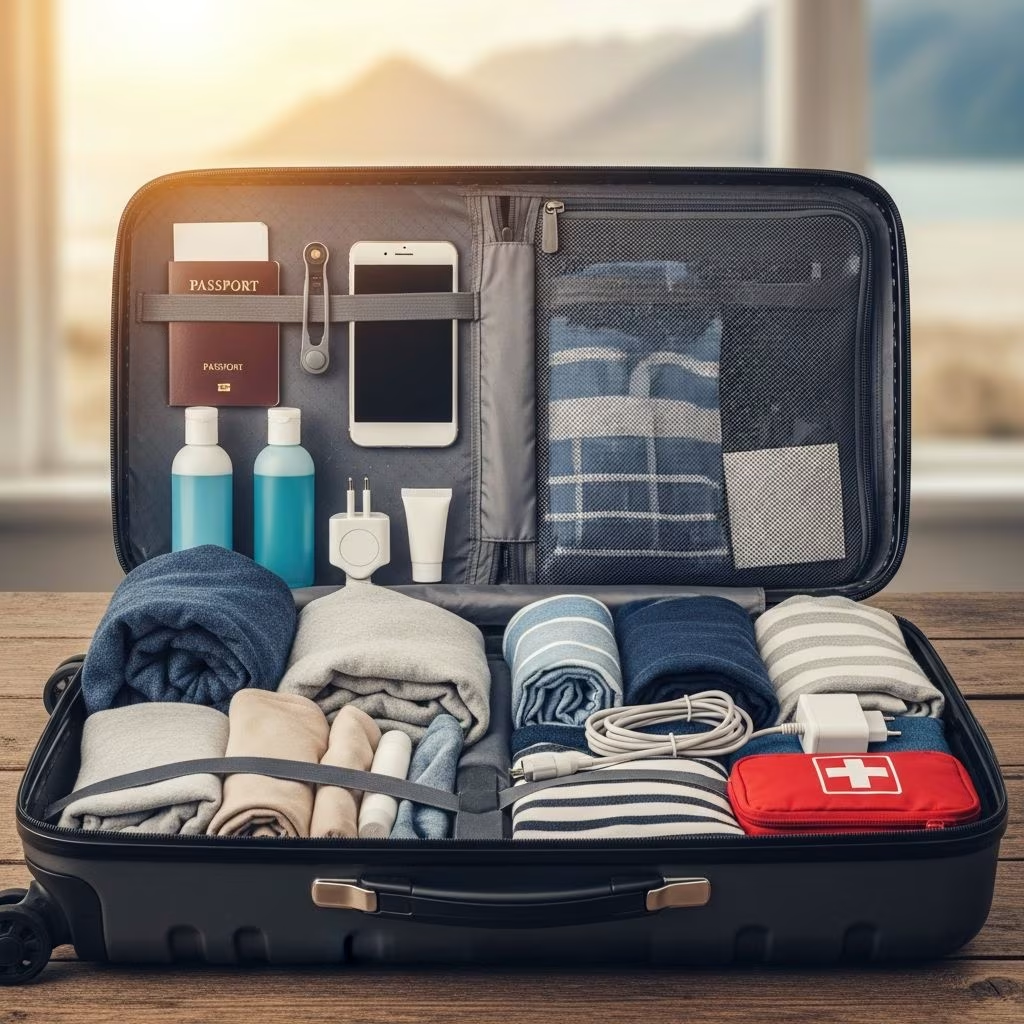 Travel Essentials
Packing is one of the most challenging aspects of travel preparation. Whether you’re embarking on a weekend getaway or an extended international adventure, the way you pack directly impacts your comfort, mobility, and overall travel experience. Many travelers struggle with overstuffed suitcases, forgotten essentials, and outfits that don’t work together. Understanding the fundamentals of strategic packing can transform how you travel and eliminate the stress that often accompanies trip preparation.
One of the most significant packing errors travelers make is curating a wardrobe based on an idealized version of their trip rather than reality. The tendency to pack aspirational outfits—those pieces you hope to wear but rarely do in everyday travel scenarios—leads to wasted luggage space and unused clothing. Real travel involves walking thousands of steps daily, navigating crowded streets, climbing stairs in historic buildings, and adapting to unpredictable weather patterns. Your vacation wardrobe should reflect practical comfort, not fantasy scenarios.
Instead of selecting new or unworn pieces, prioritize clothing you’ve already tested and know fits well. Choose versatile fabrics that breathe and wrinkle-resistant materials that maintain their appearance despite constant packing and unpacking. Your clothing selections should transition seamlessly from exploring local markets to dining out in the evening. Break in your travel shoes before departure—nothing ruins a trip faster than uncomfortable footwear causing blisters during your first day of exploration.
The “just in case” mentality represents a fundamental breakdown in packing discipline. After carefully selecting items that fit your itinerary, travelers often add extra clothing, duplicate toiletries, and backup supplies, reasoning that additional space exists in their luggage. This approach inevitably results in oversized, heavy suitcases that become increasingly difficult to manage throughout your journey.
A practical guideline for overcoming this tendency involves evaluating item necessity: if something costs less than twenty dollars and can be purchased within twenty minutes of arrival at your destination, you don’t need to pack it. Most destinations, from remote mountain villages to coastal towns, maintain accessible pharmacies, supermarkets, and corner shops stocking essential items. This principle applies to many toiletries, basic medications, and everyday supplies that travelers habitually overpack.
Footwear represents a critical packing decision that significantly impacts both comfort and luggage space. Many travelers make the mistake of packing shoes unsuitable for their planned activities or overpacking multiple pairs unnecessarily. A comfortable walking shoe should be your foundation—this is non-negotiable regardless of your destination. Sore feet or developing blisters transform enjoyable travel into painful endurance.
Rather than packing numerous specialty shoes, select one versatile walking shoe broken in before your trip. If your itinerary includes beach activities, add appropriate footwear only if genuinely needed. For formal occasions or specific activities like hiking, pack dedicated shoes but resist the urge to include every possible option. Consider the climate and planned activities when determining your footwear needs, but remember that one quality walking shoe typically suffices for most travel scenarios.
Effective outfit combinations emerge from thoughtful color coordination rather than random garment selection. Packing bright, bold pieces that clash with your other clothing results in items remaining unworn despite taking up valuable luggage space. Strategic color coordination maximizes outfit combinations from fewer total pieces.
Implement a neutral color palette approach by selecting items in compatible shades—blacks, whites, grays, beiges, and navy blues create numerous outfit possibilities. When incorporating accent pieces or patterns, ensure they complement your neutral base items. This system allows you to wear virtually everything you pack by creating multiple outfit variations from a limited wardrobe. The result is a smaller, lighter suitcase filled entirely with pieces you’ll actually wear.
The debate over clothing storage techniques—rolling versus folding—significantly impacts both packing efficiency and garment condition. While rolling clothes appears space-efficient, this method creates significant wrinkles that require ironing upon arrival. Efficient folding methods provide comparable space-saving benefits while preserving garment appearance and allowing easy visibility of all packed items without unpacking your entire suitcase.
Organized folding systems enable you to view your complete wardrobe at a glance, preventing unnecessary item duplication and helping you confirm you’ve packed everything needed. This visibility advantage, combined with superior wrinkle prevention, makes folding the superior storage method for most travelers. Invest time in proper folding technique before departure, and you’ll arrive at your destination with better-looking clothing ready to wear immediately.
Toiletry bags represent another common source of luggage overload. Travelers frequently pack full-size bottles of shampoo, conditioner, face creams, and multi-step skincare routines, causing toiletries to occupy half their suitcase. A new environment shouldn’t trigger panic-packing of skincare products you rarely use at home.
Before packing toiletries, analyze your actual routine. If you wash your hair twice weekly, travel-size shampoo suffices for even extended trips. Decant regularly used products into smaller containers, bringing only essentials that make you feel comfortable and confident. Leave behind excessive face masks, unused serums, and rarely-worn cosmetics. This approach dramatically reduces luggage weight while still maintaining your personal care standards.
When checking luggage, always pack a complete outfit in your carry-on bag. Airlines occasionally lose checked baggage, leaving travelers without clothing for days. Having one outfit ensures you can continue functioning normally if luggage goes astray. This precaution requires minimal space but provides invaluable peace of mind and practical protection against travel disruptions.
A frequently overlooked packing reality involves the physical act of transporting your luggage. If you cannot comfortably lift your suitcase into an overhead bin or carry it up short flights of stairs, your luggage is too heavy. Independent travelers encounter cobblestone streets, train platforms, narrow sidewalks, and historic buildings with narrow staircases and no elevators. Your suitcase will encounter challenging terrain requiring you to physically move it repeatedly throughout your journey.
Test your packed suitcase’s weight before departure. Lift it, carry it across the room, and honestly assess whether you can manage it throughout your trip. A suitcase that’s too heavy becomes a travel burden rather than a practical container, limiting your mobility and creating frustrating complications at every transportation transition.
Travel inevitably presents irresistible items worth bringing home—hand-painted ceramics from local artisans, regional specialty foods, small textile treasures, and other memorable finds. Packing your suitcase completely full leaves no accommodation for these purchases, forcing difficult decisions between leaving treasures behind or sitting on your suitcase to force everything closed.
Intentionally reserve 10-20% of your suitcase space and airline weight allowance for souvenirs and acquisitions. This strategic approach prevents last-minute stress and allows you to fully enjoy shopping experiences without anxiety about fitting purchases into your luggage. Planning this space from the beginning transforms souvenir acquisition from a travel problem into an enjoyable part of your journey.
Long flights and extended travel days involve periods without access to food or situations where airline catering is unavailable or prohibitively expensive. Packing portable snacks—granola bars, crackers, or dried fruit—in your carry-on bag provides comfort food access without airline-inflated pricing. This simple preparation enhances travel comfort and reduces unexpected expenses during journey segments away from airport restaurants or food vendors.
Temperature fluctuations throughout your journey require strategic layering rather than packing multiple heavy garments. In-between items like lightweight sweaters, cardigans, and long-sleeve shirts provide weather flexibility while consuming minimal luggage space compared to bulky coats or heavy jackets. Layering allows adaptation to varying conditions—cool morning temperatures, warm afternoon weather, and cool evenings—using fewer total pieces.
Even when your destination features predictably warm weather, pack lightweight layering pieces. Accommodations may provide cool air conditioning, and evening temperatures typically drop below daytime highs. Flexible layering prevents the common travel problem of being uncomfortably cold in air-conditioned spaces or overheated in heavy clothing during warm periods.
When preparing your packing list, separate definite items from maybes. The items falling into the “maybe” category—those you might wear if space permits—almost inevitably remain unused throughout your journey. These pieces consume valuable luggage space without serving practical purposes. Once your definite items are packed, resist the temptation to add maybes, even if space remains. That extra space serves the souvenir strategy mentioned earlier.
Successful packing begins with thorough research and organization before you start selecting items. Understanding your destination’s climate, planned activities, dress codes for specific venues, and cultural norms regarding clothing guides intelligent packing decisions. Document your itinerary, including specific activities requiring particular clothing or footwear. This preparation prevents oversights like forgetting evening-appropriate attire or packing inappropriate clothing for cultural venues.
Your suitcase choice impacts packing efficiency and overall travel comfort. International travel typically benefits from larger hard-case suitcases providing enhanced protection during air transport, especially during turbulent flights. However, if you tend toward overstuffing, soft-shelled cases offer flexibility accommodating slightly overpacked contents. Weekend trips utilize smaller suitcases or backpacks, while extended journeys may require large checked bags combined with carry-on luggage.
How many outfits should I pack for a week-long trip?
Pack enough pieces to create 5-7 distinct outfit combinations rather than 7 specific outfits. With strategic color coordination, you can repeat pieces in different combinations, reducing total items needed.
Is it worth buying travel-size containers for toiletries?
Absolutely. Travel-size containers reduce luggage weight significantly and are reusable. Many travelers maintain a dedicated toiletries bag filled with travel-size products, eliminating the need to pack toiletries for every trip.
Should I pack items I might need but probably won’t?
No. If you honestly don’t expect to wear or use something, it doesn’t belong in your suitcase. Most destinations provide access to emergency supplies if unexpected needs arise.
What’s the ideal suitcase weight limit for comfortable travel?
Aim to pack your suitcase so you can comfortably lift it at shoulder height. Most airlines allow 50 pounds for checked luggage, but aiming for 30-40 pounds ensures manageable transport throughout your journey.
How should I organize items within my suitcase?
Place heavier items on the bottom, delicate items on top, and use the empty spaces to tuck accessories, undergarments, and socks. Packing cubes help organize categories of items, making retrieval easier without complete suitcase unpacking.
