

 Travel Essentials
 Travel Essentials

Comprehensive guide covering pre-trip planning, on-the-road vigilance, health precautions, and emergency responses for safe travels anywhere.
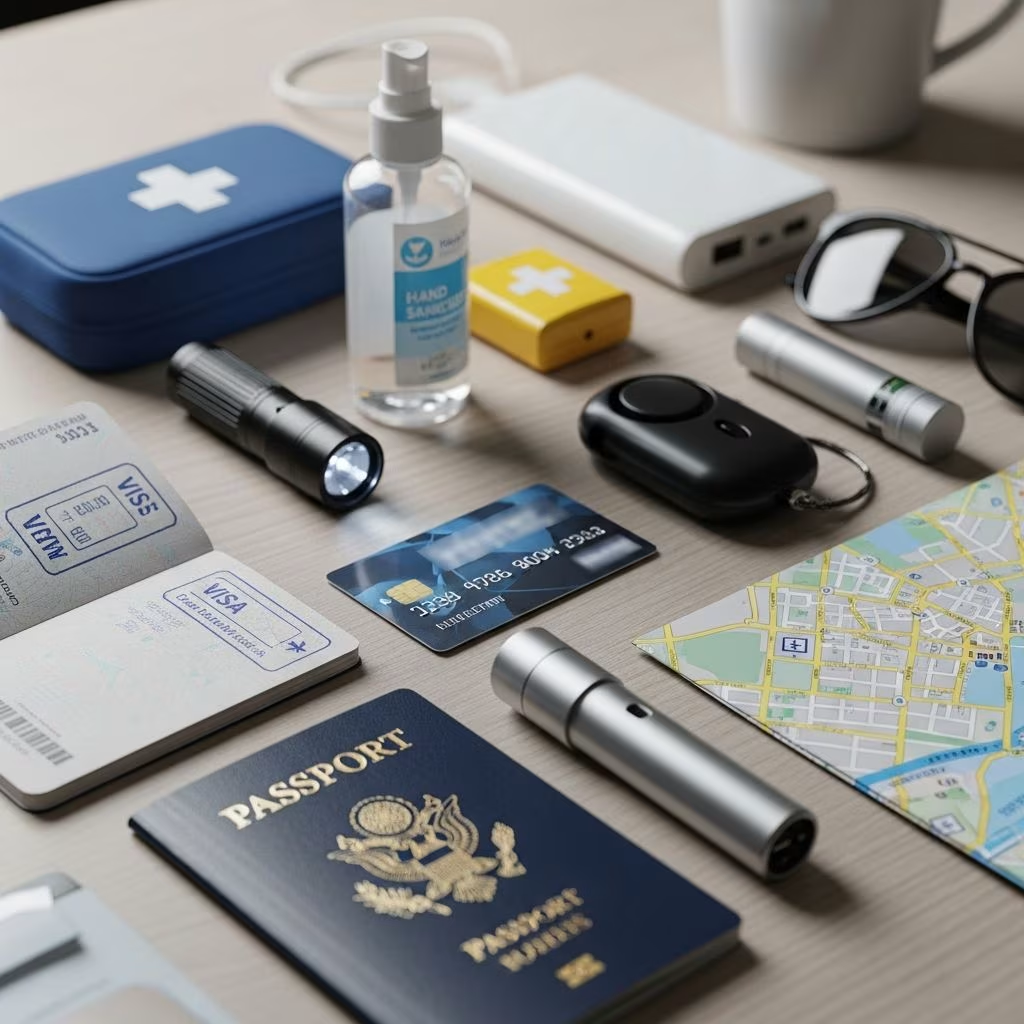 Travel Essentials
Traveling opens doors to new experiences, but prioritizing safety ensures those memories remain positive. This guide draws from reliable sources to outline practical steps for preparation, awareness, and response, helping you navigate risks confidently whether solo or with companions.
Effective travel safety starts long before departure. Researching your destination thoroughly sets the stage for informed decisions and quick adaptations.
Prepare documentation by scanning passports, visas, and IDs; store digital copies in secure cloud apps and share with trusted contacts. Budget for contingencies, including extra cash in small denominations hidden separately from cards.
Heightened situational awareness acts as your primary defense. Constantly scan environments, trust instincts, and minimize predictable behaviors that signal vulnerability.
| Situation | Key Tactics |
|---|---|
| Public Spaces | Observe crowds, avoid distractions like phones, position yourself near exits or groups. |
| Nighttime Walks | Stick to well-lit paths, travel in pairs if possible, decline unsolicited help. |
| High-Tourist Areas | Blend in by dressing locally, secure valuables in front pockets or money belts. |
Avoid drawing attention: refrain from flashing expensive gear, limit alcohol to maintain clarity, and skip sharing real-time locations on social media until after returning home.
Solo journeys demand extra precautions, yet with smart habits, they can be profoundly rewarding. Communicate daily check-ins with family via apps that share locations, carry personal alarms or whistles for deterrence, and consider self-defense training for confidence.
For women or first-timers, join group tours initially to acclimate, then venture independently with established routines.
Long drives amplify risks from fatigue, breakdowns, or unfamiliar roads. Perform full vehicle checks: tires, brakes, fluids, and lights. Pack an emergency kit with jumper cables, tire repair tools, water, snacks, and a charged power bank.
Plan routes using apps that highlight safe stops and real-time traffic. Rotate drivers every 2 hours, pull over for 15-minute breaks, and avoid night driving in remote areas. When stopping, choose well-populated gas stations or rest areas.
Buses, trains, and subways offer convenience but harbor pickpockets and distractions. Sit near drivers or in crowded cars for safety in numbers, keep bags zipped and on laps, and stand back from closing doors where thieves lurk.
Beaches, pools, and excursions thrill but demand caution. Heed warning flags, swim only in lifeguard zones, and wear life jackets on boats or rentals—never captain unfamiliar watercraft, especially impaired.
For adventure sports like zip-lining or rafting, select operators with strong reviews, safety certifications, and insurance. Inspect gear personally and follow briefings meticulously.
Climate shifts challenge bodies unprepared. Hydrate proactively in heat—recognize dehydration via dry mouth, dizziness, or fatigue. Pack breathable clothing, sturdy shoes, and broad-spectrum sunscreen.
In bug-prone tropics, apply repellents with DEET or picaridin; cover skin at dawn/dusk to thwart malaria, dengue carriers. Carry prescriptions, OTC meds, and hand sanitizer; consult CDC for vaccinations.
Hotels and rentals must prioritize locked doors, peepholes, and safe deposit boxes. Use secondary locks or wedges on doors, avoid ground floors if possible, and scout fire exits upon arrival. For Airbnbs, verify host responsiveness and neighborhood safety via maps.
Cyber threats shadow physical ones. Use VPNs on public Wi-Fi, enable two-factor authentication, and monitor accounts via apps. Split cash/cards across bags, use RFID-blocking wallets, and notify banks of travel dates.
Decline skimming-prone ATMs; opt for credit over debit for fraud protection.
Emergencies test preparation. Memorize local police (e.g., 112 Europe-wide), embassy numbers, and insurance contacts. For assaults, prioritize escape over confrontation; report promptly for records.
In natural disasters, follow authority evacuations. Medical issues? Present STEP enrollment for streamlined aid.
Distribute valuables, use slash-proof bags, and stay alert in crowds—never leave items unattended.
Groups reduce risks but require coordination; solo travel builds skills with proper planning.
Question unsolicited offers, verify with official sources, and walk away from pressure tactics.
Yes, it covers gaps in health plans and provides 24/7 assistance.
Contact your embassy immediately for a replacement; carry photocopies meanwhile.
