

 Travel Essentials
 Travel Essentials

Learn how to manage bladder and bowel functions while traveling, including safe holding times, hydration tips, and practical strategies to prevent travel-related health issues.
 Travel Essentials
Travel disrupts our daily routines in numerous ways, and one of the most overlooked aspects is how it affects our body’s natural rhythms—particularly our urinary and digestive systems. Whether you’re embarking on a long flight, a cross-country road trip, or a multi-day adventure, understanding how to properly manage your body’s needs can significantly enhance your comfort and prevent health complications.
Before diving into travel-specific strategies, it’s important to understand the baseline capabilities of your urinary and digestive systems. A healthy adult bladder typically holds between 400 to 600 milliliters of urine, roughly equivalent to one or two standard cans of soda. However, the sensation to urinate typically begins when the bladder reaches only 200 to 300 milliliters of capacity, which is approximately halfway full.
The urge to use the restroom is your body’s intelligent signaling system, designed to protect your health and maintain optimal function. Ignoring these signals repeatedly can lead to complications ranging from mild discomfort to serious medical conditions.
For adults during normal circumstances, safely holding urine typically ranges from 3 to 5 hours. While it’s technically possible to extend this to 6 to 8 hours, medical professionals strongly advise against making this a regular practice. Regularly suppressing the urge to urinate can irritate your bladder, increase vulnerability to urinary tract infections, and cause uncomfortable spasms or leakage.
The safe duration varies considerably based on individual factors including bladder capacity, overall hydration levels, existing medical conditions, and age. Rather than pushing toward maximum capacity, responding promptly when you feel the initial urge represents the healthiest approach.
Many travelers make the counterintuitive decision to restrict fluid intake to minimize bathroom trips—a strategy that often backfires. Cabin pressure during flights affects circulation and hydration status, naturally leading toward dehydration. When you deliberately limit water consumption during travel, you compound this effect.
Insufficient hydration thickens stool consistency, which slows digestive movement and significantly increases the likelihood of travel constipation. Additionally, concentrated urine from dehydration elevates your risk for urinary tract infections. The temporary convenience of fewer bathroom visits is vastly outweighed by these complications.
Monitor your hydration status by observing urine color—light yellow indicates adequate hydration, while dark yellow or strong odor suggests you need increased water intake.
Travel constipation results from a complex interplay of factors beyond simple dehydration. Environmental changes, disrupted meal schedules, altered physical activity levels, increased stress, and dietary variations all contribute to constipation while traveling. Additionally, many travelers suppress their natural urges due to concerns about public restroom cleanliness, unpredictable schedules, or social anxiety—behaviors that directly trigger retention issues and constipation.
In most cases, travel-induced constipation resolves independently within a couple of days or upon returning to your normal routine. However, if constipation persists beyond three days or extends into a couple of weeks, you should consult a healthcare provider to identify underlying causes and explore potential solutions.
While constipation represents one common travel digestive concern, traveler’s diarrhea presents the opposite challenge. This condition typically emerges suddenly during trips or shortly after returning home and manifests as passing three or more loose, watery stools daily, along with urgent bowel movements, stomach cramps, and sometimes nausea or fever.
Most individuals recover from traveler’s diarrhea naturally within 1 to 2 days, with complete recovery typically occurring within a week. However, it’s possible to experience multiple episodes during a single extended trip. Seek medical attention if diarrhea persists beyond two days, if you develop severe dehydration, experience intense abdominal pain, or if your fever exceeds 102°F.
Rather than adopting a reactive approach of waiting until urgency becomes overwhelming, implement proactive bladder management strategies. Aim to urinate every 2 to 4 hours during daytime hours, regardless of whether you experience urgent pressure. This pattern helps train your bladder to maintain appropriate capacity while reducing both urgency and frequency over time.
During long flights, train journeys, or coach travel, request seating near restroom facilities to minimize disruption when nature calls. This simple accommodation can dramatically reduce anxiety and make bathroom access more convenient without missing important segments of your journey.
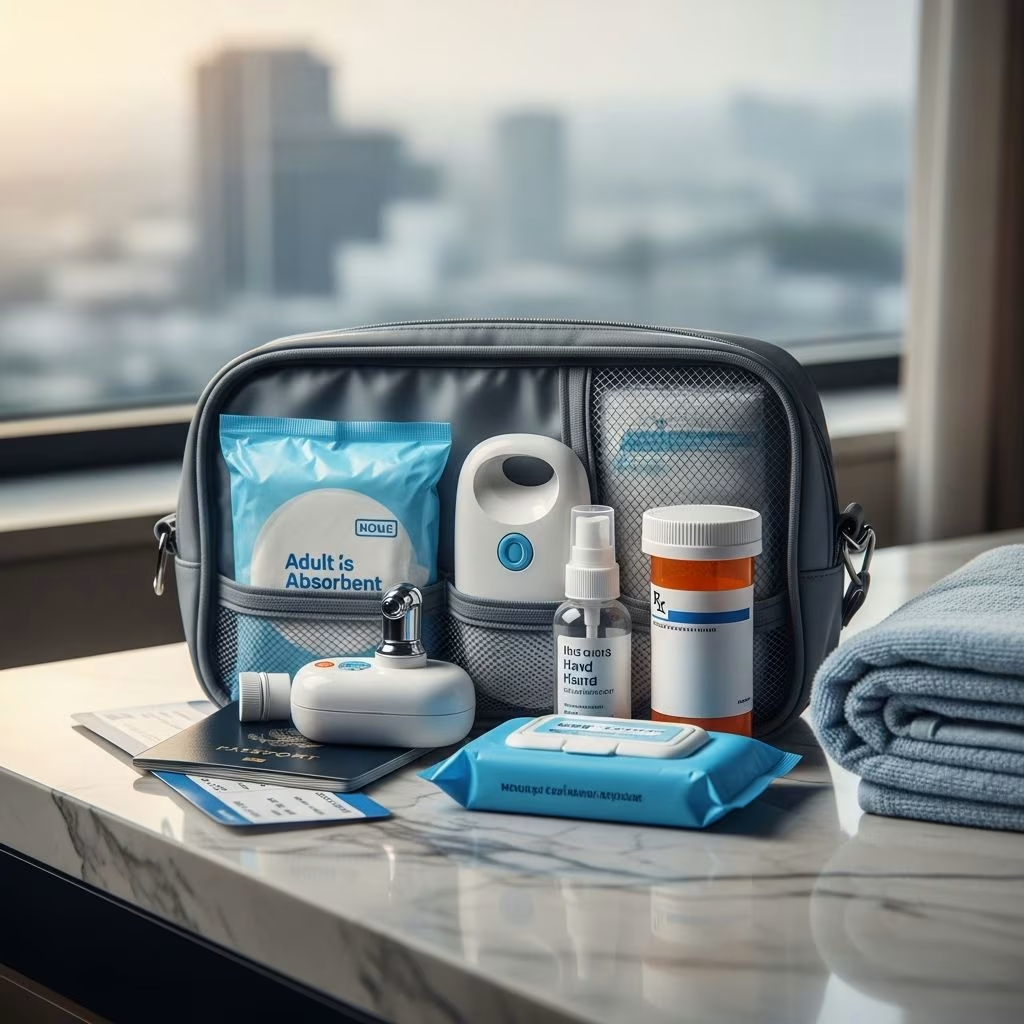
For individuals concerned about potential leakage or those unable to quickly access restroom facilities, small disposable continence pads worn inside close-fitting underwear provide discrete protection and peace of mind.
Beginning the day before extended travel, strategically modify your consumption patterns. Eliminate foods and beverages that irritate your bladder, including caffeine (found in coffee, tea, energy drinks, caffeinated sodas, and chocolate), carbonated beverages including sparkling water, alcohol, and spicy foods. These substances can trigger urgent bathroom needs that prove inconvenient during travel and complicate your schedule.
The effects of dietary choices often manifest hours or even days after consumption, so planning ahead matters considerably. Prioritize plain water as your primary beverage, which supports hydration without the irritating effects of other common drinks.
Some travelers experience difficulty completely emptying their bladder or bowels, particularly in unfamiliar or uncomfortable bathroom environments. Several practical interventions can help:
The most frequently encountered problems affecting travelers include constipation, urinary tract infections, and kidney stones. All three conditions share common preventative strategies: adequate hydration, regular bathroom access, and adherence to normal eating and activity patterns as closely as possible during travel.
Recognizing early warning signs allows for prompt intervention. Persistent urinary urgency, incomplete emptying sensations, burning during urination, or lower abdominal discomfort warrant medical evaluation, particularly if accompanied by fever.
Preparation significantly influences your ability to manage these systems effectively while traveling. If you plan to modify your normal routines or use different products while away, test these changes at home beforehand to ensure compatibility with your body.
Pack spare clothing and wet wipes in easily accessible hand luggage or travel bags in case you need to change clothing during transit. For individuals managing specific bladder or bowel conditions, consider timing modifications—for instance, adjusting bowel irrigation schedules to allow for a bowel movement before departing home, with no additional need until after reaching your destination.
In destinations with questionable water quality where tap water is inadvisable, use bottled or cooled boiled water for any irrigation systems or tooth brushing. Warm bottled water to appropriate temperatures by placing it in a basin of warm water for several minutes before use, taking care to verify proper temperature.
| Item | Purpose | Priority |
|---|---|---|
| Disposable continence pads | Leak protection and peace of mind | Moderate |
| Portable bidet or peri-bottle | Comfort and cleanliness in unfamiliar facilities | Moderate |
| Fold-up stool | Optimal positioning for complete emptying | Low |
| Spare underwear and clothing | Emergency changes during travel | High |
| Wet wipes and hand sanitizer | Hygiene in facilities with limited supplies | High |
| Plastic bags | Discreet disposal of used items | High |
Most healthy adults can safely hold urine for 3 to 5 hours during flights. However, it’s advisable to use available restroom facilities when you feel the urge rather than pushing toward maximum capacity. Extended holding lasting 6 to 8 hours should occur only in exceptional circumstances and should never become routine.
Travel constipation results from multiple interconnected factors: dietary changes, disrupted meal timing, reduced physical activity, increased stress levels, intentional fluid restriction to avoid frequent bathroom trips, and suppression of natural urges due to anxiety or concerns about public restrooms. These factors combine to slow digestive movement and harden stool consistency.
Yes. Regularly holding urine can irritate your bladder, increase vulnerability to urinary tract infections, cause bladder spasms, trigger leakage, and in extreme cases of chronic retention, weaken bladder muscles to the point where complete emptying becomes difficult.
Maintain consistent water intake throughout your journey, monitoring urine color as an indicator of hydration status. Light yellow urine suggests adequate hydration, while dark yellow indicates insufficient intake. Deliberately restricting fluids to minimize bathroom trips counterproductively increases constipation and infection risk.
For constipation lasting more than a few days extending into a couple of weeks, consult a healthcare provider. For diarrhea, seek medical evaluation if symptoms persist beyond two days, if you become severely dehydrated, experience severe pain, notice bloody stools, or if fever exceeds 102°F.
Adopt a forward-leaning posture with hands resting on thighs, breathe deeply and exhale fully, and take your time allowing pelvic floor muscles to relax. Using a makeshift elevated surface or portable stool can also optimize positioning for complete emptying.
Successfully managing your urinary and digestive systems during travel requires understanding your body’s natural capacities, responding promptly to biological signals, maintaining consistent hydration despite travel disruptions, and implementing practical strategies that support normal function in unfamiliar environments. Rather than adopting restrictive approaches that risk complications, embracing proactive management enables you to travel comfortably while protecting your long-term health.
