

 Travel Essentials
 Travel Essentials

Learn how to prevent traveler’s diarrhea, stay hydrated, and treat symptoms quickly so a stomach bug doesn’t derail your trip.
 Travel Essentials
Traveler’s diarrhea represents one of the most common health challenges for people venturing to developing regions, often triggered by consuming contaminated food or water harboring bacteria, viruses, or parasites. Affecting up to 50% of visitors to high-risk areas, this condition can disrupt itineraries with urgent bowel movements, cramps, nausea, and sometimes fever. Proactive measures significantly reduce risks, while prompt self-care minimizes severity when symptoms emerge. This guide outlines evidence-based approaches to safeguard health abroad, drawing from authoritative health recommendations.
Primarily caused by enterotoxigenic Escherichia coli (ETEC), alongside other pathogens like Shigella, Salmonella, Campylobacter, and noroviruses, traveler’s diarrhea thrives in areas with suboptimal sanitation. Risk escalates in destinations like Latin America, Africa, the Middle East, and Asia, where local water sources may carry fecal contaminants. Factors amplifying vulnerability include weakened immunity, underlying conditions such as diabetes or inflammatory bowel disease, and young age in children. Even brief exposures through ice, salads, or unpeeled fruits can initiate illness, typically within 24-72 hours of ingestion.
Immunocompromised individuals, pregnant travelers, and the elderly face heightened dehydration risks, making prevention paramount. Studies indicate that while no one is immune, adherence to hygiene protocols slashes incidence by 50-90%. Recognizing high-risk zones—anywhere outside industrialized nations—prompts stricter vigilance.
Safe consumption habits form the bedrock of defense. Focus on water first: opt for commercially bottled beverages with intact seals, as refilling with tap water occurs in some markets. Boiling tap water for at least five minutes or treating it with iodine/chlorine tablets renders it potable for drinking, brushing teeth, or washing produce. Steer clear of fountain drinks, ice cubes (unless from purified sources), and unpasteurized dairy or juices, which harbor pathogens.
For solids, embrace the mantra: boil it, cook it, peel it, or forget it. Prioritize steaming hot dishes served immediately, like soups or grilled meats, where heat (above 165°F/74°C) destroys microbes. Avoid street vendor fare, buffets with lukewarm holdings, and raw/undercooked proteins, including shellfish prone to vibrio bacteria. Salads, sprouts, and leafy greens evade thorough cleaning, posing persistent threats.
Hand hygiene amplifies protection—scrub with soap for 20 seconds post-restroom use or before meals, supplemented by 70% alcohol sanitizer. In resorts, confirm filtered water for salad prep; self-caterers should boil rinse water.
For short trips to high-risk zones or vulnerable travelers (e.g., those with IBD or on diuretics), daily bismuth subsalicylate (e.g., two Pepto-Bismol tables four times daily) cuts risk by 60-80%. Antibiotics like ciprofloxacin (500mg daily) offer 80-95% efficacy but reserve for special cases due to side effects, resistance, and guidelines against routine use. Consult providers pre-travel; probiotics show inconsistent benefits.
| Prophylactic Agent | Dosage | Efficacy | Best For |
|---|---|---|---|
| Bismuth subsalicylate | 2 tabs 4x/day | 60-80% | General short-term use |
| Ciprofloxacin | 500mg daily | 80-95% | High-risk individuals |
| Probiotics | Varies | Variable (20-50%) | Adjunct, not primary |
Pack these only after medical advice; they’re not substitutes for dietary caution.
Symptoms strike acutely: 3+ loose stools daily, plus abdominal cramps, urgency, bloating, or mild fever. Mild cases (1-3 stools, no fever) self-resolve in 1-3 days; severe ones feature blood, high fever (>102°F), or vomiting, signaling dysentery needing urgent care. Children and elderly warrant immediate monitoring for dehydration signs: dry mouth, dizziness, reduced urine.
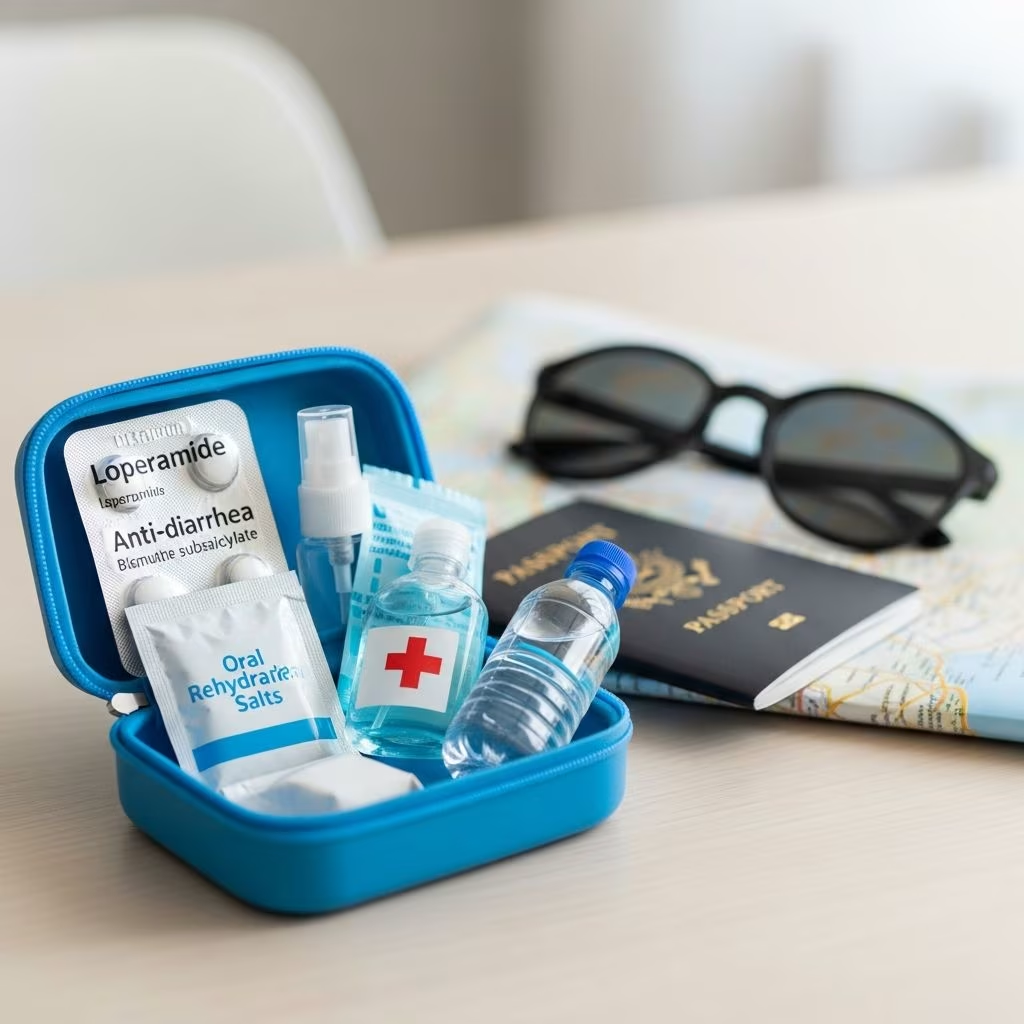
Dehydration poses the gravest threat, especially in heat or for vulnerable groups. Replace losses with oral rehydration solutions (ORS)—packets mixing salts, glucose, and water for optimal absorption. Aim for 8-10 glasses daily, plus 1 cup per loose stool. Alternatives: clear broths, diluted sports drinks (e.g., Gatorade), canned juices, or weak tea. Shun caffeine, alcohol, and dairy, which exacerbate losses.
For infants, continue breastfeeding; use boiled water for formula. Small, frequent sips prevent vomiting. BRAT diet (bananas, rice, applesauce, toast) eases reintroduction of solids once stools firm.
Empower trips with a pharmacy kit: loperamide (Imodium, 4mg initial dose, 2mg after each stool, max 16mg/day) for mild-moderate diarrhea to slow motility. Pair with antibiotics for moderate-severe cases (4+ stools or interfering activities): azithromycin (500mg daily x1-3 days) or ciprofloxacin (500mg BID x1-3 days), effective in 70-90% within 24-48 hours. Skip loperamide if bloody stools or fever indicate dysentery.
Rest, avoid irritants; symptoms rarely persist beyond 5 days. Pack for all trips to developing areas.
Children dehydrate fastest—use pediatric ORS, watch for lethargy or sunken eyes. Breastfeed through illness; avoid antidiarrheals under 2 years. Pregnant women prioritize hydration, consult on meds (azithromycin preferred). Diabetics/immunosuppressed may need prophylaxis. Cruise ships/hotels lower risk via better sanitation, but no zero-risk assumption.
Escalate if: fever >102°F persists, bloody stools, severe pain/vomiting preventing fluids, symptoms >48h despite treatment, or dehydration (no urine 8h, confusion). In remote areas, err toward clinics; stool tests guide therapy for parasites. Travel insurance covering evacuations adds security.
Cruises have lower rates due to hygiene, but outbreaks occur. Hydrate, use onboard clinic; prophylaxis unnecessary routinely.
No broad vaccine; Dukoral protects against ETEC/cholera partially, recommended for some high-risk.
Untreated: 3-5 days; treated: 1-2 days.
Short-term yes; avoid if aspirin-allergic or on anticoagulants.
Gradual: BRAT then normal; probiotics may aid gut recovery.
For extended stays, acclimation reduces incidence; combine vigilance with local insights (e.g., trusted eateries). Pre-travel vaccines (hep A, typhoid) bolster defenses. Post-trip, monitor for persistent symptoms signaling parasites. With these tools, diarrhea becomes a minor hiccup, not a trip-ender.
