

 Travel Essentials
 Travel Essentials

Discover how to navigate Spain's extensive bus network for cost-effective trips between cities, towns, and remote areas, including top operators, booking advice, scenic journeys, and urban transport essentials.
 Travel Essentials
Spain’s bus system offers an economical and extensive way to traverse its varied terrain, connecting urban hubs with remote villages that trains often bypass. With operators covering thousands of routes, buses provide flexibility for solo travelers, groups on budgets, and eco-conscious visitors seeking sustainable options.
Buses stand out as the most accessible transport in Spain, reaching destinations beyond the reach of high-speed rail lines. While trains excel on popular corridors, buses serve smaller towns and rural spots, making them ideal for comprehensive exploration. Costs remain low, with local rides averaging €1.20–€1.60 and intercity fares scaling reasonably by distance.
Environmental benefits add appeal: buses emit less per passenger than cars on similar routes. For longer trips over four hours, prices may rival trains, but availability on less-served paths often tips the scale. Night services in cities extend usability, running until 2–3:30 AM on weekends.
Spain hosts a fragmented yet reliable bus landscape dominated by key players. ALSA leads as the largest intercity provider, operating nationwide with modern fleets offering Wi-Fi and entertainment on long hauls.
International budget giants like FlixBus and BlaBlaBus link Spain to Europe, reaching Paris, Berlin, and Milan. Regional specialists fill gaps: Moventis in Catalonia, MonBus and Avanza in Galicia and Andalucía, and Samar on various lines. This diversity ensures coverage from coasts to mountains.
| Operator | Primary Regions | Key Features |
|---|---|---|
| ALSA | Nationwide | Wi-Fi, movies, frequent services |
| FlixBus | Intercity & Europe | Low fares, app booking |
| Avanza | Andalucía, Galicia | Regional focus, affordable |
| MonBus | Galicia | Reliable local connections |
Purchase options vary by route and operator. For common intercity paths, buy at stations upon arrival, but advance booking via apps or websites is essential for peak seasons or long distances. Round-trip tickets often save money, sometimes without fixed return dates.
Stations post comprehensive timetables, often with English support in major hubs. Apps from operators like ALSA simplify searches across companies.
Buses operate from early morning (4 AM) to late evening (10:30 PM), with urban night lines extending hours. Frequencies peak on high-traffic routes, offering hourly departures between big cities. Rural services thin out, so plan ahead—weekends see boosts.
Intercity coaches assign seats at booking, ensuring comfort. Local networks in Madrid, Barcelona, and Valencia integrate with metros and trams for seamless transfers.
Most operators allow one large suitcase plus carry-on, with holds accommodating standard luggage. Long-distance buses feature reclining seats, AC, restrooms, and outlets. Scenic rides invite relaxation amid passing vistas.
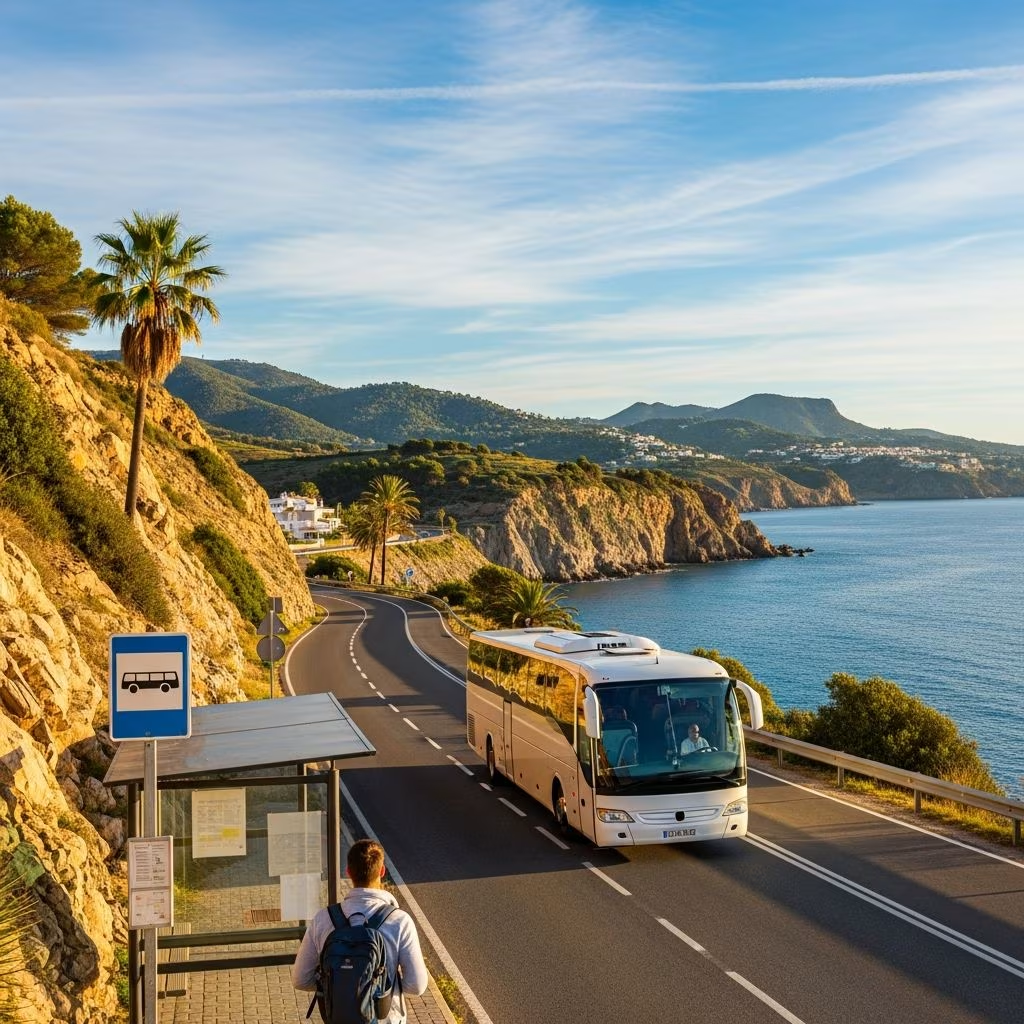
Buses unveil Spain’s beauty on select paths. From Madrid, routes wind through Picos de Europa, stopping at Potes for cable car access to peaks. Coastal Galicia lines hug cliffs, while Andalusian services reveal olive groves and white villages.
Major cities rely on buses for last-mile connectivity. Barcelona’s network complements metro and trams, serving beaches and suburbs. Valencia’s coastal trams pair with buses for efficient beach-city hops. Madrid’s lines like 822/824 link airport to outskirts.
Fares stay cheap (€1–€2), with integrated passes covering multiple modes. Avoid rush hours (mornings/afternoons) and allocate buffer time for traffic.
Buses bridge airports to cities efficiently. Madrid’s Barajas sees ALSA, Avanzabus, and Sociobus from nationwide points; free shuttles run between terminals every 8–10 minutes.
Confirm terminals early—Europe’s busiest hubs demand it. Intercity arrivals often align with flight times for smooth itineraries.
Maximize efficiency with these strategies:
For sustainability, buses outperform solo cars; carpool via BlaBlaBus apps if possible.
Yes, especially for routes without rail or shorter locals; intercity can match or undercut trains on time-equivalent value.
Use operator sites/apps like ALSA or FlixBus; select seats, pay securely, receive e-tickets.
Long-distance ones from major operators typically do, plus entertainment options.
Picos de Europa via Santander–Potes offers breathtaking peaks and valleys.
Urban night services run safely until early AM, especially weekends; stick to well-lit stations.
Combine buses with trains for hybrid trips: AVE to Madrid, then coaches to rural gems. Budget €20–€40 daily for multi-leg days. This approach unlocks Andalusian pueblos, Galician coasts, and Castilian plains affordably.
Spain’s buses democratize travel, blending convenience with discovery. Embrace the journey for authentic encounters beyond tourist trails.
