

 Travel Essentials
 Travel Essentials

Complete travel preparation guide covering vehicle rental, climate, wildlife safety, cultural etiquette, and practical tips for exploring Namibia's vast desert landscapes.
 Travel Essentials
Namibia stands as one of Africa’s most captivating destinations, offering travelers an extraordinary combination of vast desert landscapes, diverse wildlife, and genuine cultural experiences. Covering approximately 824,292 square kilometers with a population of around 2.23 million, this southern African nation presents a unique travel experience marked by sparsely populated regions and otherworldly natural beauty. Whether you’re an adventure seeker, wildlife enthusiast, or cultural explorer, understanding the fundamental aspects of travel preparation will significantly enhance your Namibian experience.
Namibia’s appeal lies partly in its seemingly sparse landscape, yet this appearance masks a thriving ecosystem and well-developed tourism infrastructure. The country boasts an extensive network of transportation options, with numerous tarmac roads connecting major cities and a comprehensive system of gravel roads reaching remote destinations. English serves as the official language, though travelers will encounter Oshiwambo, Khoekhoegowab, Afrikaans, RuKwangali, and Otjiherero in different regions. Windhoek, the capital, serves as the primary entry point for most visitors, while Swakopmund functions as a secondary tourism hub along the Atlantic coastline.
The country’s development means accommodations ranging from luxury lodges to budget-friendly campsites are readily available. Over 40 percent of Namibia exists under conservation protection, reflecting strong environmental stewardship and contributing to the country’s pristine condition.
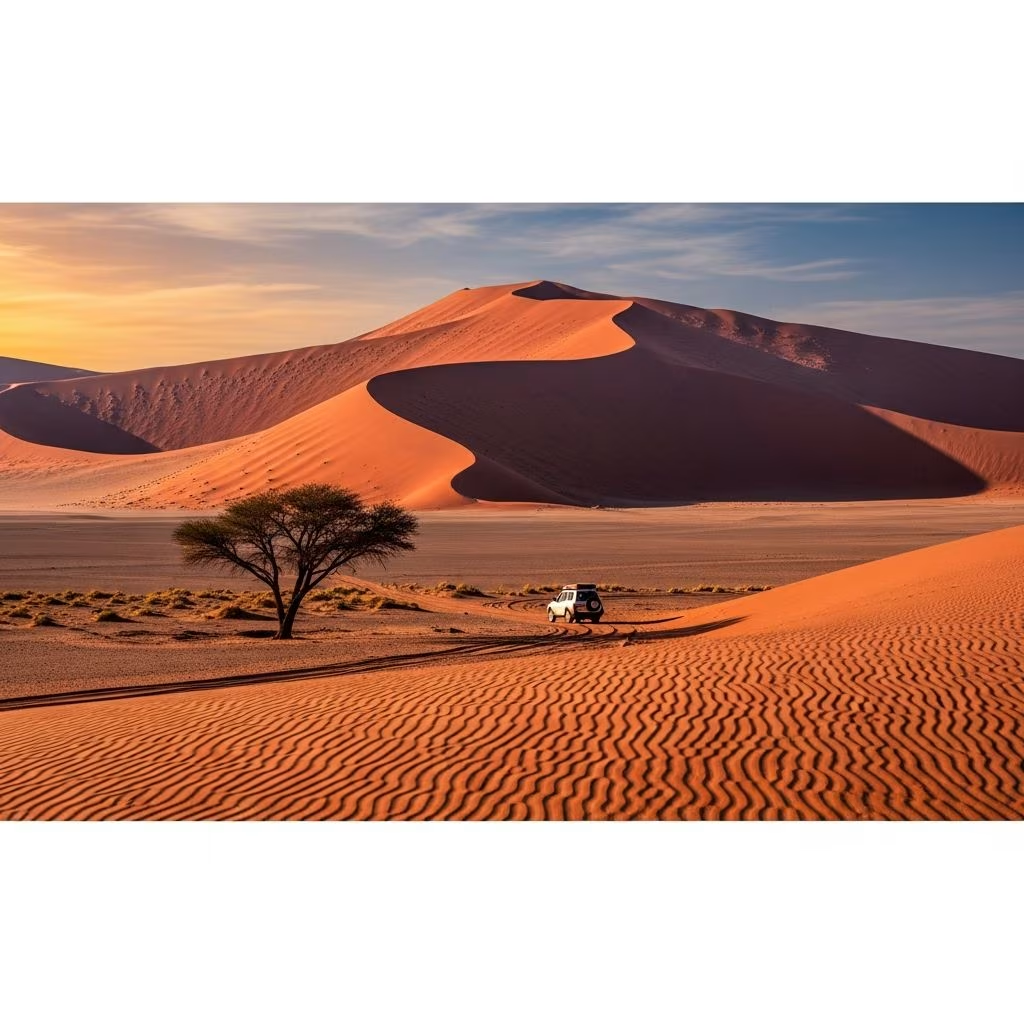
One of Namibia’s greatest advantages for travelers is the feasibility and practicality of independent vehicle exploration. The absence of extensive public transportation networks to many scenic and wildlife areas makes self-driving the most viable option for reaching Namibia’s most compelling destinations. This approach offers unparalleled flexibility, allowing travelers to establish their own pace, make spontaneous stops, and experience the landscape intimately.
Key considerations for self-drive exploration include:
Choosing the appropriate vehicle significantly impacts your comfort and accessibility throughout Namibia. While sedans and standard vehicles can navigate main tarmac routes, the country’s true attractions frequently require leaving paved surfaces. A four-wheel-drive vehicle with high clearance becomes essential for accessing remote locations, navigating rough surfaces, and handling long-distance travel across varied terrain conditions.
The advantages of upgrading to a 4WD rental include enhanced traction on gravel surfaces, elevated ground clearance for creek crossings, better suspension for rough roads, and superior windscreen protection from flying debris. Most rental agreements include tire and windscreen insurance, though supplementary coverage arrangements made before travel provide cost-effective protection against repair expenses. Building additional budget allocation for vehicle upgrade costs ensures financial flexibility and improved travel comfort.
Namibian roads present a unique travel experience characterized by remarkable emptiness and extended periods without encountering other vehicles. This solitude offers profound advantages for those seeking isolation and natural immersion, yet requires specific preparation. Travelers should anticipate driving for hours through pristine wilderness with minimal traffic, passing occasional wildlife but encountering few human settlements.
Essential preparations for extended driving include:
Namibia’s climate defies simple categorization, varying dramatically between regions and seasons. The country receives approximately 300 days of annual sunshine, creating consistently bright conditions. However, temperature fluctuations between seasons and locations require informed packing strategies.
Temperature variations across seasons:
Despite Namibia’s sunny reputation, a lightweight jacket proves invaluable for chilly early mornings, evenings, and high-altitude locations. The coastal regions and Namib Desert represent the driest areas, with some zones experiencing years between rainfall events. Conversely, northeastern regions receive 50-60 centimeters of annual precipitation, primarily between January and March, creating lush landscapes contrasting sharply with desert areas.
Namibia’s coastline experiences the cold Benguela current, which generates dense fog rolling inland during mornings and evenings. Rather than precipitation, this fog provides moisture to lichen and desert-adapted organisms, supporting life in apparently barren landscapes. Understanding these atmospheric patterns helps travelers appreciate ecological adaptations and plan photography sessions accordingly.
While Etosha National Park dominates wildlife-viewing discussions, Namibia’s ecosystems support incredible biodiversity throughout the country. Desert-adapted elephants and rhinos roam specialized environments, surviving in conditions that would seem inhospitable to most species. Tiny beetles, flamingo flocks, and unique plant species demonstrate remarkable evolutionary adaptations to extreme conditions.
The Namib Desert, recognized as the world’s oldest desert, hosts distinctive flora including ancient Welwitschia mirabilis plants and colorful lichen fields. Coastal areas support thousands of Cape fur seals and diverse seabird populations. Learning about these survival strategies and ecological relationships transforms the landscape from apparently empty to genuinely fascinating.
Wildlife viewing preparation essentials:
Namibian society values calm, measured interaction and respectful behavior, particularly in small communities and natural areas. Loud, exuberant conduct attracts negative attention rather than appreciation, making subdued demeanor more appropriate across all settings. Environmental consciousness pervades Namibian culture, with communities maintaining pride in clean landscapes and discouraging littering.
Photography of people, particularly within Indigenous communities like the Himba or San peoples, requires explicit permission before proceeding. Approaching subjects respectfully and explaining photographic intentions demonstrates cultural sensitivity and prevents offense.
Meal customs and dining etiquette:
While Namibia maintains a reputation as a peaceful, stable nation, urban areas present specific security considerations. Windhoek and Swakopmund experience higher crime rates than remote regions, with petty theft and pickpocketing targeting tourists in town centers and markets. Significant income disparities create environments where foreign visitors become obvious targets for opportunistic crimes.
Safety practices in urban environments:
Namibia presents relatively low malaria risk compared to other African destinations, though prophylaxis remains advisable for certain regions and seasons. Typhoid vaccination receives recommendation for most visitors. Travel insurance covering medical evacuation proves essential given remote locations and distances between medical facilities. Carrying copies of vaccination records and maintaining prescriptions for any regular medications ensures continuity of healthcare.
Carrying original travel documents in secure hotel locations while maintaining copies during daily activities balances security with accessibility. Passport and visa documentation must accompany all travelers, with ready access to these items essential for vehicle checkpoints and emergency situations. Understanding entry requirements specific to your nationality ensures smooth border crossings and prevents travel disruptions.
The dry season spanning June through October presents optimal conditions for wildlife viewing in Etosha National Park, as animals concentrate around diminishing water sources. These months also offer comfortable temperatures and reduced rainfall in most regions. Peak tourist season during this period means higher accommodation costs and increased visitor populations at popular destinations.
Alternative seasons present distinct advantages: spring months bring wildflower displays and active wildlife reproduction, while summer offers fewer tourists and vibrant landscapes despite heat considerations.
Major attractions demand specific logistics and preparation. Sossusvlei’s towering sand dunes represent Namibia’s most recognizable landscape, with optimal photography conditions during early morning and late evening hours. Accessing prime times requires on-site or nearby accommodation, making overnight stays in Sesriem campground practical. Etosha National Park requires multi-day allocations for meaningful wildlife encounters and water hole observation sessions. Spitzkoppe offers spectacular rock formations and trekking opportunities, best experienced with sufficient time for exploration beyond rushed photo stops.
Standard travel items receive supplementation with region-specific necessities. Sun protection, including high-SPF sunscreen and wide-brimmed hats, protects against intense solar radiation. Binoculars enhance wildlife observation capabilities. Lightweight layers accommodate significant temperature fluctuations. Camping gear, when planning self-drive camping trips, must include adequate bedding and personal comfort items. Digital backup systems protect irreplaceable photographs and documentation.
Namibia transforms visitors through exposure to genuine wilderness, authentic wildlife encounters, and cultural connections unavailable in more developed destinations. Adequate preparation addressing vehicle selection, climate accommodation, safety awareness, and practical logistics enables travelers to navigate the country confidently. The combination of accessible infrastructure and genuine remoteness creates opportunities for profound personal experiences while maintaining manageable comfort levels. Understanding these fundamental aspects before departure allows adventurers to focus on discovery rather than logistics once traveling begins.
