

 Travel Essentials
 Travel Essentials

Explore Argentina's iconic Train to the Clouds in Salta: history, route details, booking tips, and what to expect on this high-altitude adventure.
 Travel Essentials
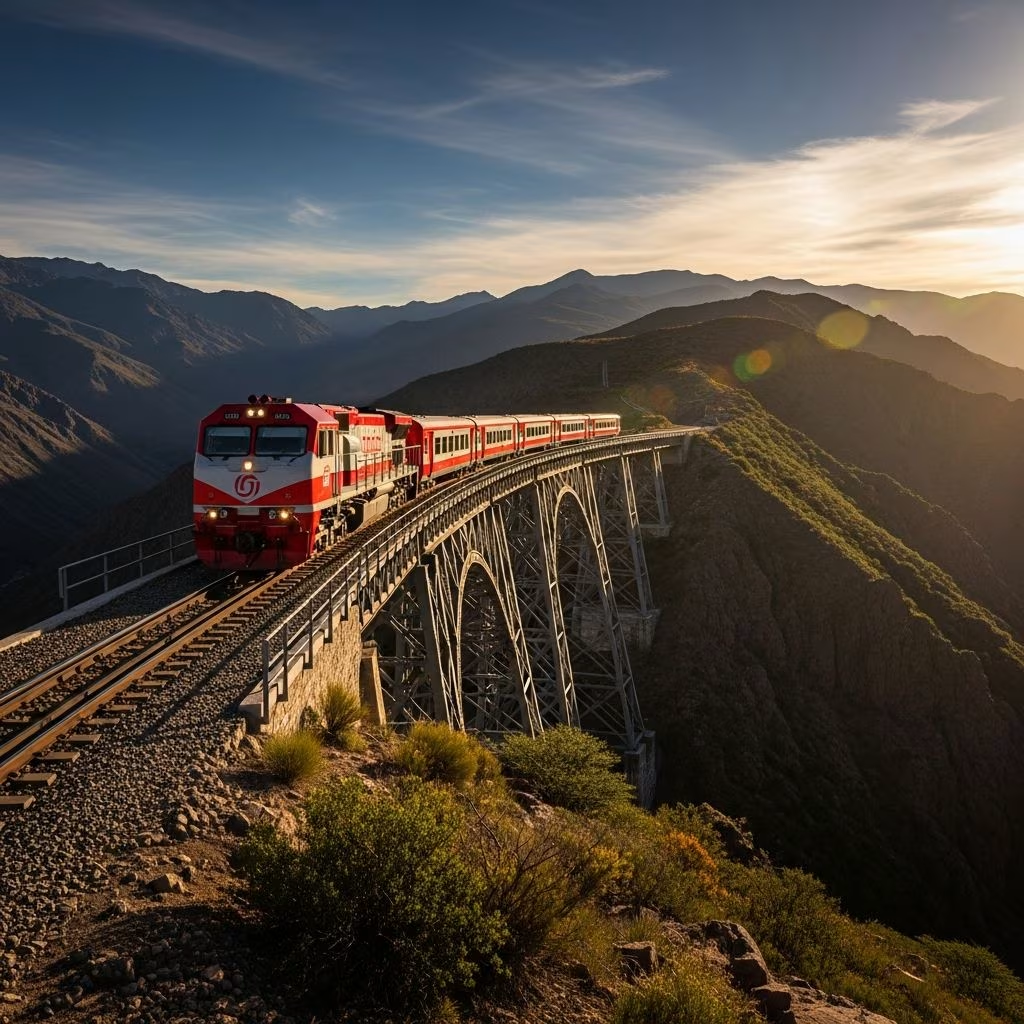
The Tren a las Nubes, known as the Train to the Clouds, offers one of the world’s most exhilarating high-altitude train rides in Argentina’s Salta Province. Climbing to 4,220 meters (13,845 feet), this tourist service traverses the Andes along the historic C-14 railway, delivering panoramic vistas of jagged peaks, vast deserts, and deep canyons.
Constructed in the early 20th century, the railway was originally envisioned to link Argentina with Chile, facilitating trade across the formidable Andes. Engineers faced immense challenges, including treacherous terrain and extreme altitudes, leading to innovative solutions like the famous La Polvorilla viaduct—a towering curved structure that prevents derailment at high elevations.
Though the full cross-border line never fully materialized for freight, the passenger version transformed into a global icon. Suspended in the 1980s due to maintenance costs, it relaunched as a tourist attraction in the 1990s, drawing adventurers to experience its legacy.
Today’s Tren a las Nubes is a full-day excursion primarily from Salta city. The adventure begins early with a three-hour bus ride from Salta’s railway station to San Antonio de los Cobres, Argentina’s highest city at 3,775 meters (12,385 feet). This leg allows acclimatization while passing colorful Andean landscapes and indigenous communities.
Panoramic cars feature large, operable windows for unobstructed views, though winds can be strong. Seats are side-by-side, comfortable, with onboard narration in Spanish and limited English.
As the train ascends, passengers witness a dramatic shift from dusty plains to snow-capped summits. Key sights include:
The thin air intensifies the sense of remoteness, with oxygen levels dropping noticeably. Many riders report feeling like explorers piercing the heavens, especially when mist clings to the viaduct.
| Route Segment | Altitude | Key Feature |
|---|---|---|
| Salta to San Antonio (Bus) | Up to 3,775m | Andean valleys, indigenous villages |
| San Antonio to Viaducto | 3,775m to 4,220m | Steep climbs, viaduct crossing |
| Return Segments | Descending | Sunset views over canyons |
The train operates year-round, weather permitting, but optimal seasons vary. May to September offers crisp, clear days ideal for photography, with cooler temperatures mitigating altitude effects. April and October provide shoulder-season perks like fewer crowds and mild weather.
Summer (December-March) risks rain delays or cancellations, potentially altering stops. Always check forecasts, as Andean weather shifts rapidly.
Tickets sell out fast, especially peaks; book online or at Salta station weeks ahead. Prices hover around $80-100 USD equivalent, depending on exchange rates and class. Passport required for purchase and boarding—no exceptions.
Altitude sickness is common above 3,000 meters—symptoms include headaches, nausea, and fatigue. Consult a doctor for acetazolamide (Diamox) if prone. Hydrate excessively, avoid alcohol, and ascend gradually.
Must-Pack Items:
Wear comfortable shoes for brief walks in San Antonio. Trains lack dining cars, so eat beforehand.
San Antonio de los Cobres pulses with Andean heritage. Local markets showcase handmade textiles, llama wool goods, and traditional crafts from Kolla indigenous communities. The vibe contrasts Salta’s colonial charm, offering authentic glimpses into highland life.
Onboard, guides share tales of the railway’s construction by Bolivian and international workers, blending history with folklore. It’s not just a ride—it’s a cultural portal.
| Train | Location | Max Altitude | Duration | Unique Feature |
|---|---|---|---|---|
| Tren a las Nubes | Argentina | 4,220m | 13 hours | Polvorilla viaduct |
| Geographical Express | Peru | 4,315m | Full day | Machu Picchu link |
| Golden Eagle | Russia | Low | Multi-day | Trans-Siberian luxury |
This Argentine gem stands out for its raw altitude and accessibility from a major city.
Absolutely for adventure seekers—stunning views and history outweigh the long day.
About 2 hours up, same return; total trip 13 hours with buses.
Yes, but consult doctors for altitude; kids under 3 free.
Operations may cancel; refunds issued. Check updates.
Limited; audio guides in Spanish primarily.
Operators prioritize safety with medical staff and oxygen onboard. Environmentally, the diesel trains minimize impact, but tourists are encouraged to respect fragile ecosystems—no littering.
This journey isn’t just transit; it’s a testament to human ingenuity conquering nature’s extremes, leaving riders transformed by the Andes’ majesty.
