


 Food & Culture
Food & Culture
Tribal Haats of India: Odisha’s Most Vibrant Weekly Markets
Explore India's lesser-known tribal markets, or haats, showcasing indigenous crafts, fresh produce, and cultural exchanges in Odisha and beyond.
 Food & Culture
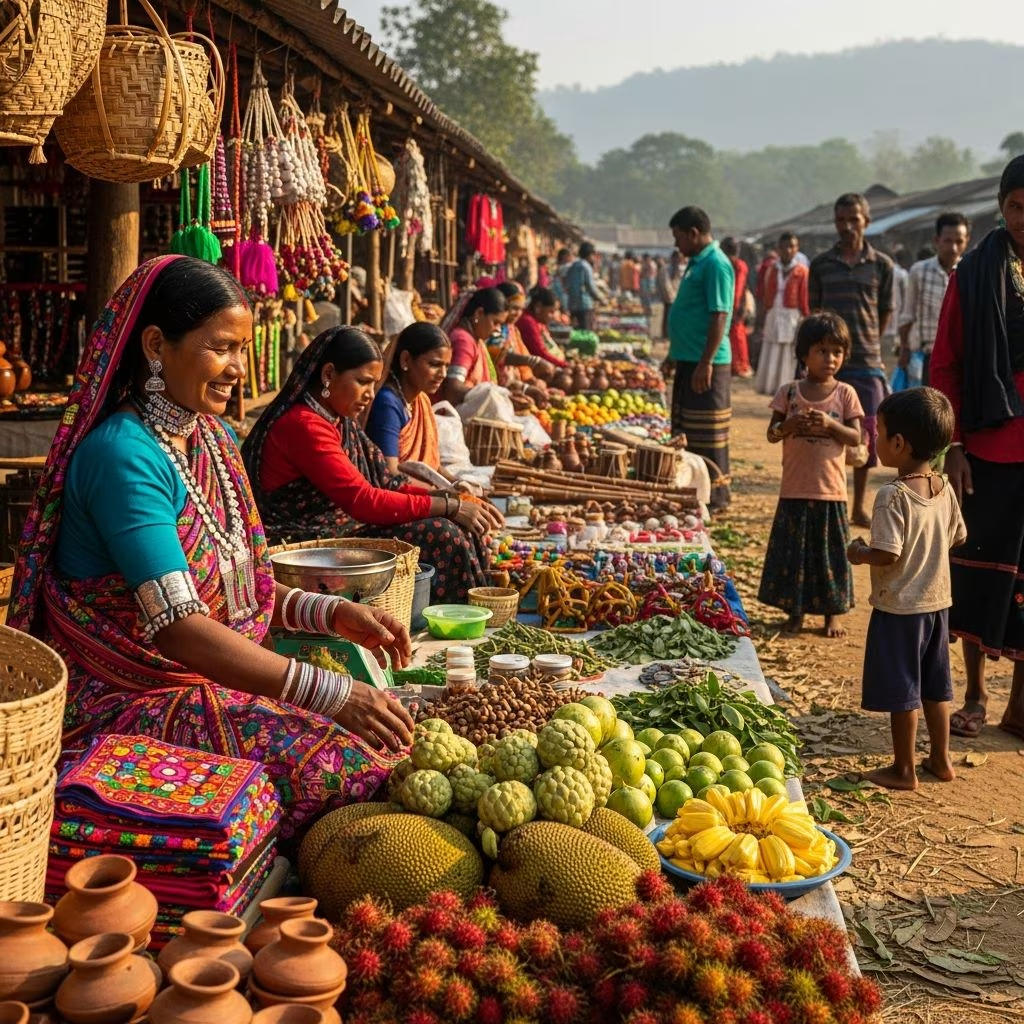
Deep in the heartlands of India, weekly tribal markets known as haats pulse with life, serving as vital hubs for trade, social interaction, and cultural preservation. These gatherings draw indigenous communities from remote villages, offering visitors a rare glimpse into authentic traditions far from tourist trails.
The Essence of Tribal Haats in India
Tribal haats transcend simple marketplaces; they are dynamic spaces where communities converge to exchange goods, stories, and customs. In states like Odisha, home to over 60 tribal groups, these markets occur weekly in forested hills or riverside clearings, fostering unity among diverse ethnicities.1 Vendors arrive at dawn, laden with forest-sourced produce, handmade textiles, and artisanal tools, transforming quiet locales into riotous spectacles of color and sound.
These markets play a crucial role in sustaining tribal economies. Barter remains common alongside cash transactions, preserving age-old practices. Women often dominate the trade, selling items like millets, medicinal herbs, and woven baskets, while men handle livestock and larger wares. Beyond commerce, haats host impromptu dances, music sessions, and matchmaking, reinforcing social bonds.1
Odisha’s Premier Tribal Market Destinations
Odisha stands out for its rich tapestry of tribal haats, each tied to specific communities and landscapes. These events highlight the state’s biodiversity and cultural diversity, attracting adventurers eager for immersive experiences.
Chatikona Haat: Niyamgiri’s Sacred Wednesday Gathering
Nestled at the foothills of the Niyamgiri Hills, Chatikona comes alive every Wednesday. Dongria Kondha and Desia Kondha tribes descend from hilltop hamlets, their bamboo baskets brimming with wild fruits, honey, and leaf plates. This market underscores the Kondhas’ deep connection to their sacred hills, where trade coexists with rituals honoring nature.1
Visitors witness intricate silver jewelry, terracotta pots, and fermented rice brews. The atmosphere buzzes with tribal dialects and laughter, offering photographers endless motifs against verdant backdrops.
Onkudeli Haat: Thursday’s Borderland Spectacle
Every Thursday, Onkudeli village near Duduma Waterfall hosts a tri-state convergence of Odisha, Chhattisgarh, and Andhra Pradesh tribes. Bonda and Gadaba people, known for distinctive attire—Bonda women in minimal bead skirts and shaved heads—dominate the scene.12 Stalls overflow with maize, tobacco leaves, handmade knives, and vibrant shawls.
The haat’s location amplifies its allure, with cascading falls providing a dramatic setting. It’s a prime spot for cultural immersion, as tribes share meals of ragi porridge and palm toddy.
Kunduli Haat: Friday’s Bustling Tribal Epicenter
Kunduli in Koraput district reigns as Odisha’s largest tribal market, held Fridays. Paroja, Mali, Rana, and Kondh vendors flood the space with vegetables, pottery, livestock, and musical instruments like bamboo flutes.12 This haat blends tradition with vibrancy, drawing larger crowds and showcasing polished crafts alongside raw produce.
Early mornings reveal wholesale deals, while afternoons feature folk performances. It’s ideal for sourcing authentic souvenirs like dhokra metalwork or applique textiles.
Goods and Crafts That Define Tribal Trade
Tribal haats brim with unique offerings reflective of indigenous ingenuity. Here’s a breakdown of common items:
- Forest Produce: Millets, tubers, honey, mushrooms, and medicinal barks—sustainably harvested.1
- Handicrafts: Woven bamboo mats, palm leaf artifacts, and embroidered cloth.
- Jewelry and Adornments: Silver necklaces, beadwork, and brass armlets symbolizing status.
- Livestock and Tools: Goats, chickens, sickles, and woven nets.
- Culinary Delights: Roasted corn, spicy chutneys, and country liquor.
| Market | Signature Goods | Tribes Involved |
|---|---|---|
| Chatikona | Fruits, honey, leaf plates | Dongria/Desia Kondha |
| Onkudeli | Maize, shawls, knives | Bonda, Gadaba |
| Kunduli | Vegetables, pottery, instruments | Paroja, Mali, Rana |
This table illustrates the diversity, aiding travelers in planning visits.1
Cultural Significance and Community Life
Haats are cultural anchors for Particularly Vulnerable Tribal Groups (PVTGs) like the Bondas, who number fewer than 10,000. These markets preserve dialects, rituals, and knowledge systems amid modernization pressures.1 They facilitate news exchange, dispute resolutions, and festivals, embodying communal harmony.
For outsiders, haats offer respectful immersion. Engaging respectfully—learning basic greetings, avoiding intrusive photos—enhances experiences. Many tours, like those by local operators, provide guided access with cultural insights.1
Practical Tips for Visiting Tribal Haats
To make the most of these markets:
- Timing: Arrive by 8 AM for peak activity; markets wind down by noon.
- Attire: Wear modest, comfortable clothes; carry water and insect repellent.
- Bargaining: Gentle haggling is expected; cash in small denominations is key.
- Transport: Local buses or hired jeeps from nearby towns like Koraput.
- Respect: Seek permission for photos; support by buying directly.
Combine visits with treks or homestays for deeper insights. Best seasons: October to March, avoiding monsoons.
Beyond Odisha: Tribal Markets Across India
While Odisha shines, similar haats thrive elsewhere. In Madhya Pradesh’s Kanha region, markets near park gates feature Gond tribe wares like bell-metal crafts.4 Chhattisgarh’s Sukma haat near Odisha borders showcases rustic village life with fresh veggies and handmade tools.5 These extensions reveal India’s vast tribal mosaic.
Challenges Facing Tribal Haats
Despite vibrancy, haats grapple with urbanization, climate shifts affecting yields, and tourism commercialization. Conservation efforts by groups like the Odisha government promote sustainable practices, ensuring these traditions endure.1
FAQs
What should I buy at a tribal haat?
Opt for handicrafts, spices, or jewelry—authentic and supportive of artisans.
Are tribal haats safe for solo travelers?
Yes, with precautions; join guided tours for remote spots.
Which is the best haat for first-timers?
Kunduli offers scale and accessibility.
Can I eat at these markets?
Absolutely—try local staples, but stick to freshly cooked items.
How do haats differ from urban markets?
They emphasize barter, community, and indigenous goods over mass retail.
References
- Tribal Markets of Odisha: Exploring Vibrant Culture and Community Life — Alternative Tours India. Accessed 2026. https://alternativetoursindia.com/tribal-markets-of-odisha-exploring-vibrant-culture-and-community-life/
- Onkadeli Tribal Market – A Glimpse into Odisha’s Bonda Culture — Maverick Bird. Accessed 2026. https://maverickbird.com/india/onkadeli-tribal-market/
- Visit the vibrant tribal markets of Kanha — Explore India Luxury. Accessed 2026. https://www.exploreindialuxury.com/impressions/india/visit-the-vibrant-tribal-markets-of-kanha-
- Exploring Tribal Market In Near Orissa Border – Sukma — YouTube (Village Life Video). 2022. https://www.youtube.com/watch?v=anMFDItgUsE
← Previous
Interior Photography Tips: Light, Composition & Editing
Next →
15 Quirky Places to Stay in Europe for an Unforgettable Trip
Related Reading
More in Food & Culture
Food & Culture Food & Culture
 Food & Culture
Best Places to Eat in Rome: Neighborhood Dining Guide
 Food & Culture
 Food & Culture