


 Food & Culture
Food & Culture
Trieste Coffee Culture: Italy’s Coffee Capital
Explore Trieste's deep-rooted coffee culture, shaped by its port history, iconic cafes, and specialized drinks like capo in B.
 Food & Culture
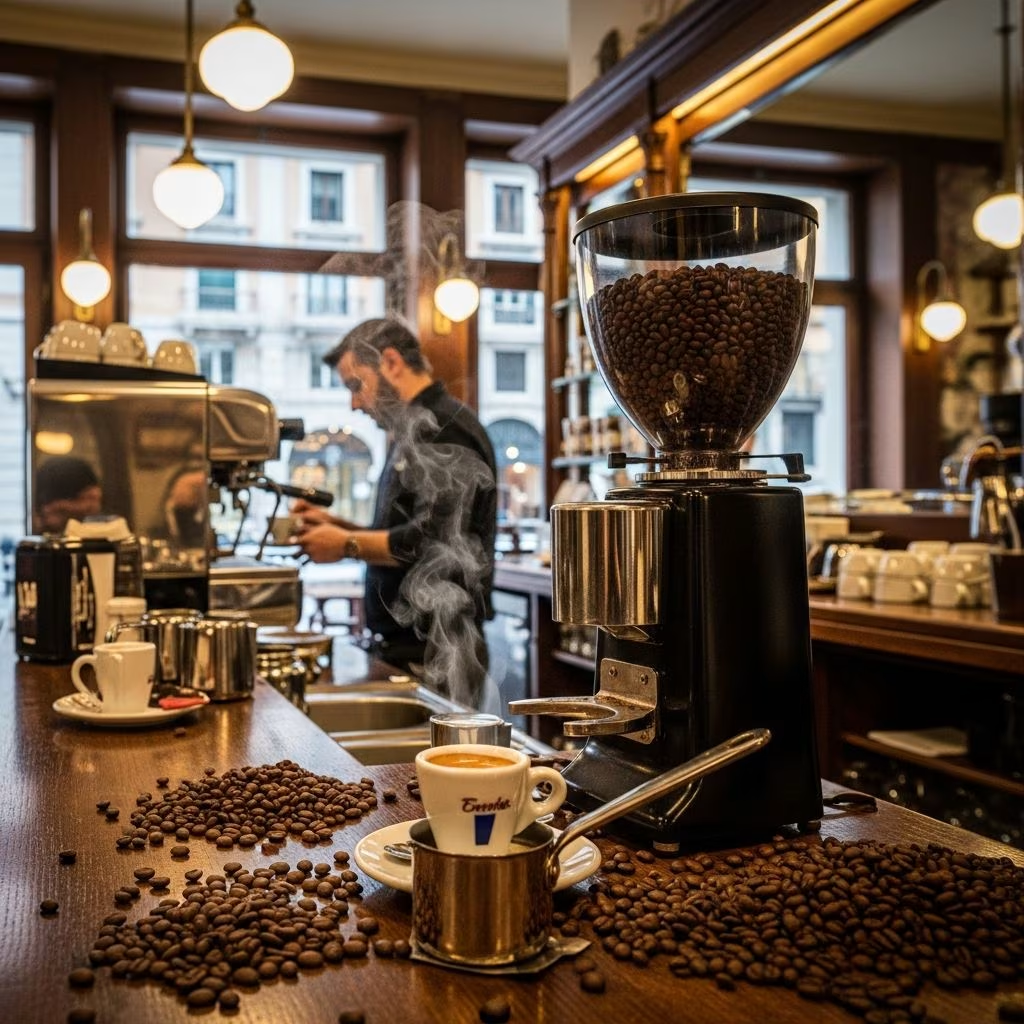
Nestled on the Adriatic Sea in northeastern Italy, Trieste has earned its reputation as the nation’s premier destination for coffee enthusiasts. This port city boasts a consumption rate that surpasses other Italian regions, fueled by centuries of trade and cultural fusion. Unlike the espresso-focused routines elsewhere in Italy, Trieste offers a distinctive approach to coffee, blending Austrian influences with Mediterranean flair.
The Port That Brewed a Legacy
Trieste’s coffee story begins with its strategic location. Designated a free port in 1719 by Emperor Charles VI, the city became a vital gateway for goods entering Europe from the east. Coffee beans arrived in massive quantities, transforming Trieste into one of the world’s key import hubs. By the 18th century, over 60 firms handled coffee trade here, establishing it as Italy’s largest coffee port.
This economic boom spurred a local industry that persists today. Companies like Illy, headquartered in Trieste, exemplify the city’s enduring connection to high-quality roasting and distribution. The port’s role extended beyond commerce; it fostered a social ritual where merchants, intellectuals, and locals gathered to sip and discuss.
Decoding Trieste’s Coffee Vocabulary
Ordering coffee in Trieste requires mastering a specialized lexicon that sets it apart from standard Italian terms. Locals shun generic labels, opting for precise descriptions that reflect nuanced preferences.
- Nero: A straight shot of espresso, robust and unadorned.
- Capo in B: The signature drink, short for cappuccino in a glass (bicchiere), featuring espresso topped with a modest milk foam layer—ideal for those seeking balance without excess milk.
- Goccia: Espresso with just a hint of foam, for purists wanting minimal alteration.
- Capo scuro: A bolder version of capo with reduced milk, intensifying the coffee’s strength.
Additional options include ristretto for concentrated shots, lungo for longer pours, or corretto spiked with grappa. This vocabulary underscores Trieste’s coffee obsession, where even decaffeinato or shakerato variations demand attention.
Iconic Cafes Shaping the Scene
Trieste’s historic cafes serve as living museums of its caffeinated heritage. These establishments, many dating to the 19th century, hosted luminaries like James Joyce and continue to draw crowds.
| Cafe Name | Founded | Highlights |
|---|---|---|
| Caffe Tommaseo | 1825 | Oldest in Trieste, located in Piazza Unità d’Italia; known for quality brews and pastries. |
| Caffe degli Specchi | 1839 | Dubbed Trieste’s ‘front parlor’; post-WWII British Navy hub, offers decadent chocolates. |
| Pasticceria La Bomboniera | 1836 | Stunning architecture; pair Rigojanci pastry with coffee and chocolate shot. |
By 1830, Trieste registered around 100 cafes, reflecting explosive growth under Habsburg rule. Austrian cafe culture influenced the ambiance, emphasizing lingering over standing sips.
Austrian Echoes in Pastries and Rituals
Trieste’s position in the Austro-Hungarian Empire infused its coffee houses with Viennese traditions. Patrons enjoy pairings like the authentic Sacher Torte—exclusive outside Vienna—and dense pastries that complement bold roasts.
A key ritual: water served alongside coffee to cleanse the palate, enhancing flavor perception. Chocolate accompaniments emerged as a luxurious match, especially at spots like La Bomboniera. These habits elevate the experience beyond mere caffeine.
Educating the Next Generation of Baristas
Trieste takes pride in its Università del Caffè, a unique institution dedicated to coffee mastery. Here, students learn bean selection, precise roasting techniques, and expert serving methods. This academy cements the city’s status as a global coffee authority, training professionals who export Triestine standards worldwide.
Pairing Coffee with Canal Grande Vibes
For an immersive experience, visit Canal Grande during aperitivo hour. This 18th-century waterway, once used for direct unloading of merchant ships—including coffee cargoes—now hosts vibrant cafes. Sip a Cynar Spritz or Friulian wine amid elegant architecture, transitioning seamlessly from coffee to evening unwinds.
From Venice to Trieste: Italy’s Coffee Evolution
Italy’s coffee journey started in Venice around 1630, with Cafe Florian as the world’s oldest continuously operating cafe. Innovations like Torino’s 1884 espresso machine and Bialetti’s moka pot followed. Trieste distinguished itself through trade volume and cultural depth, joining Venice, Napoli, and Torino as one of four coffee capitals.
Modern Twists on Tradition
Contemporary bars blend heritage with innovation, offering marocchino or mokaccino alongside classics. Trieste’s per capita consumption—up to double the national average—reflects unwavering passion.
Frequently Asked Questions
What is capo in B?
A Triestine favorite: espresso with light milk foam in a glass, bridging macchiato and cappuccino.
Why is Trieste called Italy’s coffee capital?
Its free port status since 1719 made it Europe’s coffee entry point, spawning industry leaders and high consumption.
Which cafe should first-timers visit?
Caffe Tommaseo for history or La Bomboniera for pastries and architecture.
Is Trieste’s coffee culture influenced by Austria?
Yes, Habsburg rule brought Viennese-style lingering cafes and torte pairings.
Can you learn barista skills in Trieste?
Absolutely, at the Università del Caffè, focusing on roasting and serving.
Practical Tips for Coffee Lovers
- Stand at the bar for authentic speed; sit for leisurely chats.
- Request water with your order—it’s standard.
- Explore Piazza Unità d’Italia for cafe-hopping.
- Time visits for spring aperitivo along Canal Grande.
Trieste invites visitors to immerse in a culture where coffee transcends beverage status, becoming a thread in the city’s vibrant tapestry. Whether savoring a capo in B at dawn or debating literature over nero, this Adriatic gem delivers unparalleled intensity.
References
- Italy’s Unofficial Espresso Capital: Exploring Trieste’s Coffee Culture — YouTube. 2023. https://www.youtube.com/watch?v=6d8WoPgOEPw
- Getting Caffeinated in Trieste’s Historic Cafes — The Wander Lore. 2023. https://thewanderlore.com/historic-cafes-of-trieste/
- What to Do in Trieste: Explore Italy’s Coffee Capital One Cup at a Time — Travel Memo. 2023. https://travelmemo.com/italy/trieste-what-to-do-in-italys-coffee-capital
- Coffee culture 101: Trieste — Fandango Tour. 2023. https://www.fandangotour.com/en/journal/coffee-culture-101-trieste
- Historical Cafes and Contemporary Bars in Trieste — Regions of Italy. 2023. https://www.regionsofitaly.com/friuli-venezia-giulia/historical-cafes-and-contemporary-bars-in-trieste
- Italian coffee culture, and Trieste, the old “capital” of coffee — Wendy Holloway Substack. 2023. https://wendyholloway.substack.com/p/italian-coffee-culture-and-trieste
On This Page
The Port That Brewed a Legacy Decoding Trieste's Coffee Vocabulary Iconic Cafes Shaping the Scene Austrian Echoes in Pastries and Rituals Educating the Next Generation of Baristas Pairing Coffee with Canal Grande Vibes From Venice to Trieste: Italy's Coffee Evolution Modern Twists on Tradition Frequently Asked Questions Practical Tips for Coffee Lovers← Previous
Lunar New Year: Traditions, Celebrations & Travel Guide
Next →
Umbria Travel Guide: Italy’s Green Heart
Related Reading
More in Food & Culture
Food & Culture Food & Culture
 Food & Culture
Best Places to Eat in Rome: Neighborhood Dining Guide
 Food & Culture
 Food & Culture