

 Travel Essentials
 Travel Essentials

A comprehensive guide to experiencing Trinidad and Tobago's diverse attractions, from rainforests and wildlife to cultural festivals and world-class cuisine.
 Travel Essentials
Nestled in the southern Caribbean, the twin-island nation of Trinidad and Tobago offers an intoxicating blend of natural splendor, cultural vibrancy, and culinary excellence that distinguishes it from typical Caribbean destinations. This destination captures the essence of island life while maintaining an authentic character that resonates with travelers seeking experiences beyond resort pools and manicured beaches. The two islands present distinctly different personalities: Trinidad serves as the dynamic cultural and economic hub, while Tobago provides serene landscapes and laid-back tranquility. Together, they create a complementary travel experience that appeals to adventurers, nature enthusiasts, cultural explorers, and relaxation seekers alike.
Beyond the typical island attractions, Trinidad and Tobago distinguishes itself through three compelling dimensions that elevate it above conventional beach destinations. First, the archipelago boasts extraordinary ecological diversity, hosting ecosystems that support hundreds of animal and bird species found nowhere else in the world. Second, the islands’ multicultural heritage—shaped by indigenous peoples, African, Indian, European, and Asian influences—has created a distinctive culinary tradition and festival calendar that pulses with energy throughout the year. Third, the preservation efforts in protected natural areas ensure that visitors encounter largely unspoiled wilderness experiences.
The islands welcome travelers who crave authentic interactions with local communities rather than sanitized tourist experiences. From bustling street food vendors serving traditional delicacies to intimate beach bars operated by longtime residents, Trinidad and Tobago invites genuine cultural engagement.
The ecological credentials of Trinidad and Tobago establish the islands as premier destinations for nature-focused travel. The Tobago Main Ridge Forest Reserve holds recognition from UNESCO for its status as one of the world’s oldest protected rainforests, predating most comparable conservation efforts globally. This ancient forest ecosystem shelters an extraordinary concentration of endemic species alongside migratory birds that follow seasonal patterns across the Caribbean.
For wildlife enthusiasts, the leatherback turtle nesting grounds at Matura Beach offer rare opportunities to witness these ancient marine reptiles during breeding seasons. The Asa Wright Nature Centre operates as a dedicated research and observation facility, providing structured access to hundreds of indigenous and migrating animal species. Visitors can encounter tropical birds, reptiles, and mammals through guided experiences that balance conservation principles with educational tourism.
The terrestrial landscapes present equally compelling adventures. Trinidad’s Northern Range features densely forested peaks that reward hikers with panoramic vistas and opportunities to observe endemic birdlife. The island contains over 470 different bird species across both islands, making it a destination of extraordinary significance for ornithologists and casual birdwatchers alike. Inland waterways create natural swimming holes and cascading waterfalls accessible through moderate hiking trails, offering refreshing immersion in pristine environments.
Maracas Beach stands as the premier coastal destination in Trinidad, representing the northern coastline’s architectural beauty and cultural significance. Locals and visitors congregate here to experience authentic Caribbean beach culture, with vendors offering freshly prepared chow—a local specialty featuring marinated tropical fruits combined with garlic, salt, and coriander. The beach’s natural amphitheater shape creates powerful waves that appeal to water sports enthusiasts.
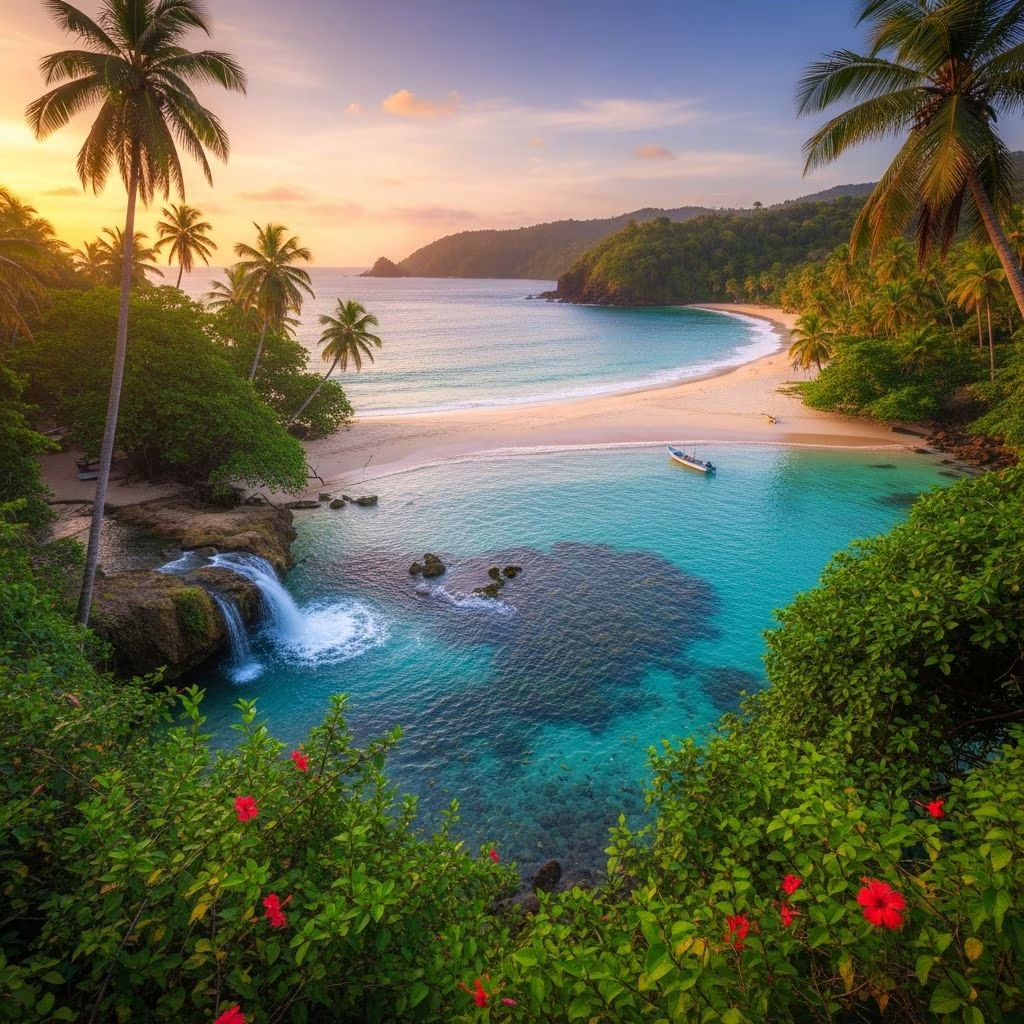
Tobago’s shoreline showcases the Caribbean’s most pristine coastal environments. Englishman’s Bay earns recognition as one of the Caribbean’s best-preserved beaches, maintaining its natural grandeur without significant commercial development. Pigeon Point Beach operates as Tobago’s primary tourist destination, featuring coral reefs, crystal-clear waters, and comprehensive amenities, though this popularity distinguishes it from the quieter alternatives scattered across the island. Pirate’s Bay and Castara offer progressively quieter experiences where travelers encounter primarily local populations and smaller-scale hospitality infrastructure.
Each beach on Tobago carries historical layers—from fishing villages to colonial-era settlements—adding narrative depth to coastal exploration. Store Bay, Bloody Bay, Speyside, and Mt Irvine present distinct characteristics, from snorkeling opportunities to windswept Atlantic-facing geography.
Navigating between Trinidad and Tobago requires understanding the ferry infrastructure that connects the two islands. Daily ferry service operates between Port of Spain and Scarborough, typically with morning and afternoon departures. The approximately three-hour crossing provides practical connectivity for multi-island itineraries, though travelers should note that rental vehicle companies generally prohibit cars from crossing the ferry, necessitating separate vehicle arrangements for each island.
Within each island, transportation options accommodate various travel styles and budgets. The maxi-taxi system—color-coded passenger vans operating on fixed routes similar to bus services—provides affordable transportation for longer distances, with fares typically ranging from TTD 5 to TTD 20 depending on distance. For shorter journeys and personalized routing, government-licensed taxis with H-prefixed license plates offer flexibility, while ride-sharing applications including Allridi, PinkCab, and TTRS provide modern alternatives to traditional taxi services.
The islands’ food culture reflects centuries of cultural blending, resulting in distinctive flavor profiles and preparation techniques that define Caribbean cuisine on a regional level. Traditional street food vendors represent authentic gateways to local culinary traditions, with doubles—a hand-held bread sandwich filled with curried chickpeas—appearing as an iconic quick bite across both islands. Sue’s Doubles in Tobago operates multiple street-level stalls, with the Scarborough location gaining particular recognition for quality and authenticity.
Beyond street-level consumption, restaurants and specialty food establishments showcase sophisticated preparations of local ingredients. Establishments like Buccoo Jemma’s SeaView Kitchen, architecturally notable for its treehouse construction overlooking Speyside Beach, combine elevated culinary technique with scenic presentation. Breadfruit pie emerges as a signature dessert worth specifically seeking out, representing the islands’ creative engagement with indigenous and historical foodstuffs.
The complex history spanning indigenous populations, colonial plantations, indentured labor systems, and immigration waves has created a palate encompassing African, Indian, European, and Asian influences seamlessly integrated into contemporary cuisine.
Port of Spain functions as the inevitable entry point for Trinidad exploration, presenting a vibrant metropolitan landscape that demands several days of engagement. The capital city offers restaurants, nightlife venues, and accommodation options suitable for various preferences and budgets, establishing itself as a natural base for broader island exploration. The National Museum and Art Gallery documents historical narratives and contemporary artistic expression, while the Emperor Valley Zoo provides family-friendly wildlife encounters featuring red howler monkeys, sea otters, and regional reptile species.
Scarborough, despite its modest scale compared to Port of Spain, presents Tobago’s most culturally representative urban experience. The capital’s market environment and historic fort offer glimpses into local commercial life and colonial heritage without the commercialization characterizing larger tourist centers.
The islands’ multicultural populations have established diverse religious communities reflected in architectural and spiritual landmarks scattered across both territories. Hindu temples, including Dattatreya Mandir Temple, function as active worship centers while simultaneously representing important cultural and historical sites. Mount St Benedict, home to the Caribbean’s oldest Benedictine monastery, demonstrates centuries-deep Christian monastic presence predating most contemporary regional religious institutions.
Adventure and Outdoor Pursuits: Thrill-seekers discover abundant options including ziplining through forest canopies, mountain biking on developed trail networks, and comprehensive hiking opportunities. Most Trinidad hiking trails culminate at waterfalls suitable for swimming and refreshment. Beginner-friendly options include Avocat Waterfront, Rio Seco, Maracas Waterfall, and Bamboo Cathedral, while experienced hikers tackle Paria Bay, Turure Water Steps, and El Tucuche—Trinidad’s second-highest mountain. Chaguaramas, west of Port of Spain, consolidates multiple activities within a geographically proximate area, featuring zip lines, walking trails, mountain biking routes, golf courses, and beach access.
Water Sports and Reef Exploration: Tobago’s windward coast, particularly the Speyside region, provides some of the Caribbean’s most acclaimed snorkeling and scuba diving experiences. Coral reef systems maintain exceptional fish diversity and occasional manta ray sightings, appealing to both certified divers and casual snorkelers. Boat tours departing from various coastal towns provide access to otherwise unreachable reef systems and small islands.
Birdwatching and Nature Study: With more than 470 bird species documented across the islands, ornithological tourists encounter exceptional opportunities for species observation and photography. Dedicated nature centers like Asa Wright provide structured access and expert guidance, while independent exploration of forested areas yields regular sightings for casual observers.
The islands’ festival calendar maintains constant activity, with religious and secular celebrations providing rhythmic punctuation throughout the year. These events demonstrate the living culture reflecting the islands’ diverse communities and historical narratives.
Guest houses operated by local proprietors offer authentic accommodation experiences with hosts frequently willing to organize personal island tours when notified in advance, providing budget-friendly alternatives to commercial tour companies. Lodging options range from luxury resort facilities to basic guesthouses, accommodating various financial parameters and travel styles.
The Trinidad and Tobago Dollar (TTD) operates as the official currency, with some establishments accepting US dollars. Transportation costs remain remarkably affordable, with maxi-taxi fares typically ranging from TTD 5 to TTD 20 depending on distance. Beach entry fees at popular commercial sites like Pigeon Point Beach run approximately TTD 20 (USD 3), while natural sites like Argyle Falls charge approximately USD 10 per person.
Travelers should coordinate visits with festival calendars and weather patterns. Caribbean hurricane season runs June through November, affecting travel planning and accommodation availability during peak tourism periods.
Two daily ferries operate between Port of Spain and Scarborough, with morning and afternoon departures and approximately three-hour transit times. Rental vehicle companies typically prohibit cars on ferries, necessitating separate vehicle arrangements for each island.
Englishman’s Bay ranks among the Caribbean’s most pristine beaches, while Pigeon Point provides the most developed facilities and amenities. Quieter alternatives include Pirate’s Bay, Castara, Speyside, Store Bay, and Bloody Bay, each offering distinct characteristics and atmospheres.
The Asa Wright Nature Centre provides structured wildlife observation, while independent forest exploration yields abundant birdwatching opportunities. Matura Beach offers seasonal leatherback turtle viewing during nesting periods.
Doubles represent an iconic street food, with Sue’s Doubles in Tobago earning particular recognition. Chow—marinated tropical fruits with garlic and coriander—is popular at beach locations. Breadfruit pie appears as a signature dessert.
