

 Travel Essentials
 Travel Essentials

Discover Tulum Jaguar Park: a 600+ hectare reserve with archaeological sites, wildlife viewing, bike paths, and beach access. Learn entry fees, transport, activities, and tips for your visit.
 Travel Essentials
Immerse yourself in the heart of Mexico’s Riviera Maya at **Tulum Jaguar Park**, a vast protected area that fuses ancient Mayan heritage with thriving natural ecosystems. Spanning hundreds of hectares of lush jungle, pristine beaches, and iconic archaeological sites, this national park offers visitors a perfect blend of adventure, history, and relaxation.
Established as a key conservation initiative, Tulum Jaguar Park protects approximately 600 to 2,900 hectares depending on expanded zones, encompassing dense selva, coastal dunes, and the renowned Tulum beach area. Positioned along the Boca Paila road near Tulum Ruinas, the park serves as a gateway to both cultural landmarks and biodiversity hotspots. It promotes sustainable tourism through integrated pathways linking to major infrastructure like the Tren Maya train system, ensuring eco-friendly exploration.
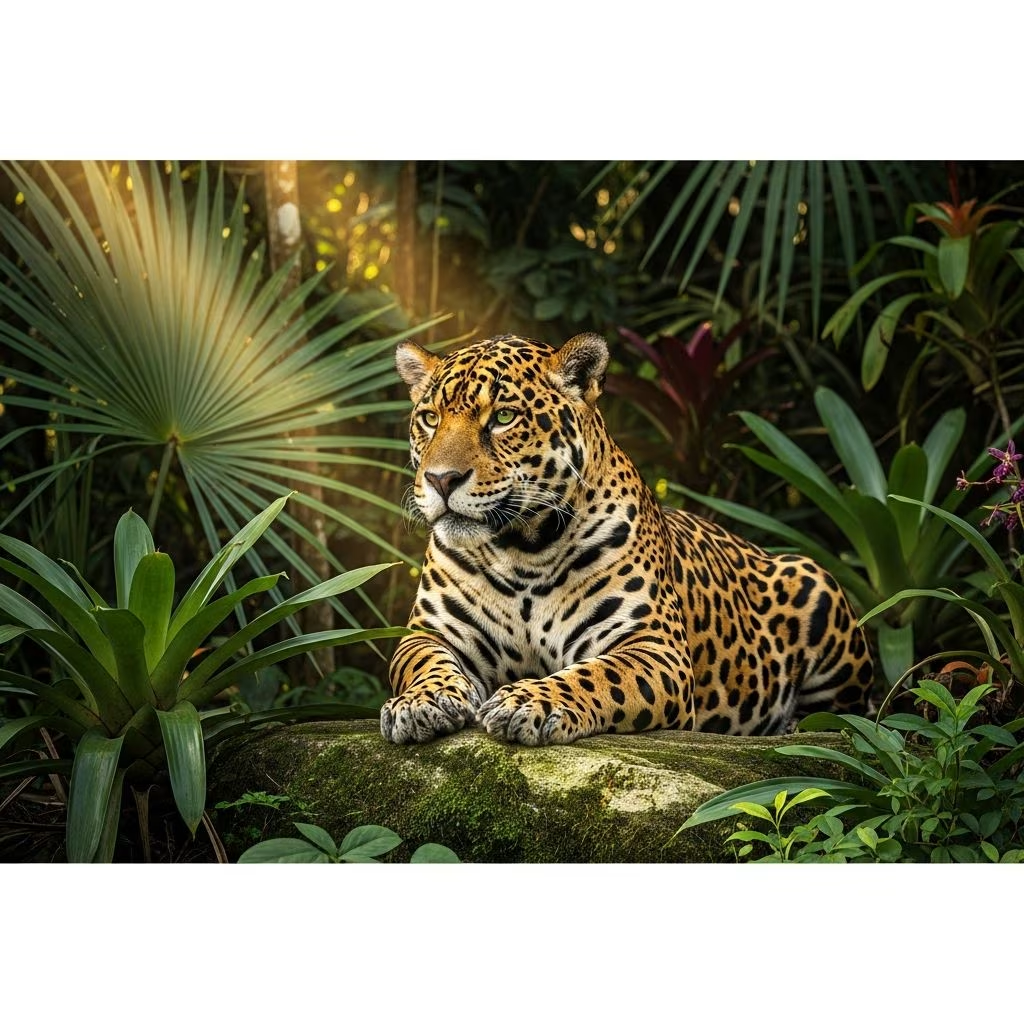
The park’s creation addresses urban growth pressures in Tulum by designating public spaces for nature preservation and public enjoyment. Investments exceeding 2,700 million pesos have enhanced infrastructure, including pedestrian walkways, shared bike lanes, electric transport options, and scenic viewpoints. Home to jaguars, tropical birds, and diverse flora, it stands as a sanctuary amid the region’s booming tourism.
Accessing Tulum Jaguar Park is straightforward from Tulum town or nearby Playa del Carmen. The main entrance lies at Carretera Boca Paila Km 2.5, Tulum Ruinas, Quintana Roo.
Plan ahead as entry requires tickets, and peak seasons (December-April) see crowds. Arrive early to beat heat and lines.
Admission supports conservation efforts for jungle, wildlife, and ruins. Fees as of late 2024 (subject to change):
| Visitor Type | Fee (MXN) | Approx. USD |
|---|---|---|
| Foreigners | 415 | 21 |
| Mexicans | 255 | 13 |
| Quintana Roo Residents | 105 | 5 |
Note: Separate 210 MXN fee for Tulum Archaeological Zone, not included. Children under 3 enter free; guided tours extra. Buy tickets online via official sites or at the gate. Open daily, typically 8 AM-5 PM; verify for holidays.
Tulum Jaguar Park brims with experiences for nature lovers, history buffs, and families.
Adjacent to the park, the Tulum Ruins perch dramatically on cliffs overlooking turquoise waters. Highlights include:
Over 3 km of paths connect ruins to jungle interiors.
A 2-km ciclovía (bike path) winds through verdant selva, ideal for pedaling or strolling. Well-marked hiking trails reveal endemic species: spot jaguars (rarely), vibrant birds, monkeys, and orchids. Climb the mirador tower for panoramic views of canopy, beach, and ruins.
Tulum Beach within the park offers white sands and calm waters. Snorkel reefs teeming with turtles and fish; boat tours depart 10 AM-4 PM daily, family-friendly. Nautical activities highlight coral ecosystems.
Opt for birdwatching tours, wildlife spotting, or cultural walks. Rent bikes or e-bikes on-site; electric carts available for accessibility.
The park safeguards Quintana Roo’s biodiversity, a critical jaguar corridor. Flora includes ceiba trees and mangroves; fauna spans 300+ bird species, reptiles, and mammals. Government-backed programs fund habitat restoration and anti-poaching. Visitors contribute via fees, urged to follow ‘leave no trace’ principles: stay on paths, avoid feeding animals.
As a national park under federal oversight, it integrates with Mi México Late initiatives for territorial planning and visitor enhancement.
Combine with nearby cenotes or Sian Ka’an for full-day itineraries.
Yes, for its unique ruins-jungle-beach combo and conservation focus – a must for Tulum trips.
4-6 hours covers essentials; full day with ruins and snorkeling.
No, restricted in archaeological and protected zones.
Typically no, to protect wildlife.
Core 600 hectares, up to 2,900 with buffers.
Tulum Jaguar Park elevates Riviera Maya travel by prioritizing sustainability. Book ahead, respect nature, and create lasting memories amid Mayan legacy and wild beauty. Whether hiking shaded trails, snorkeling vibrant reefs, or gazing from ancient cliffs, this destination delivers authentic Mexico.
