

 Travel Essentials
 Travel Essentials

Explore Tulum's Mayan ruins, authentic villages, cenotes, and cultural rituals in this comprehensive guide to experiencing Mexico's rich indigenous history.
 Travel Essentials
Tulum stands as a gateway to the ancient Mayan world, where dramatic seaside cliffs meet lush jungles and crystal-clear sinkholes. This coastal gem in Mexico’s Riviera Maya offers travelers a unique blend of archaeological marvels, living cultural traditions, and breathtaking natural landscapes. Far more than a beach destination, Tulum invites visitors to connect deeply with a civilization that thrived for centuries, leaving behind ruins that whisper tales of astronomy, trade, and spirituality.
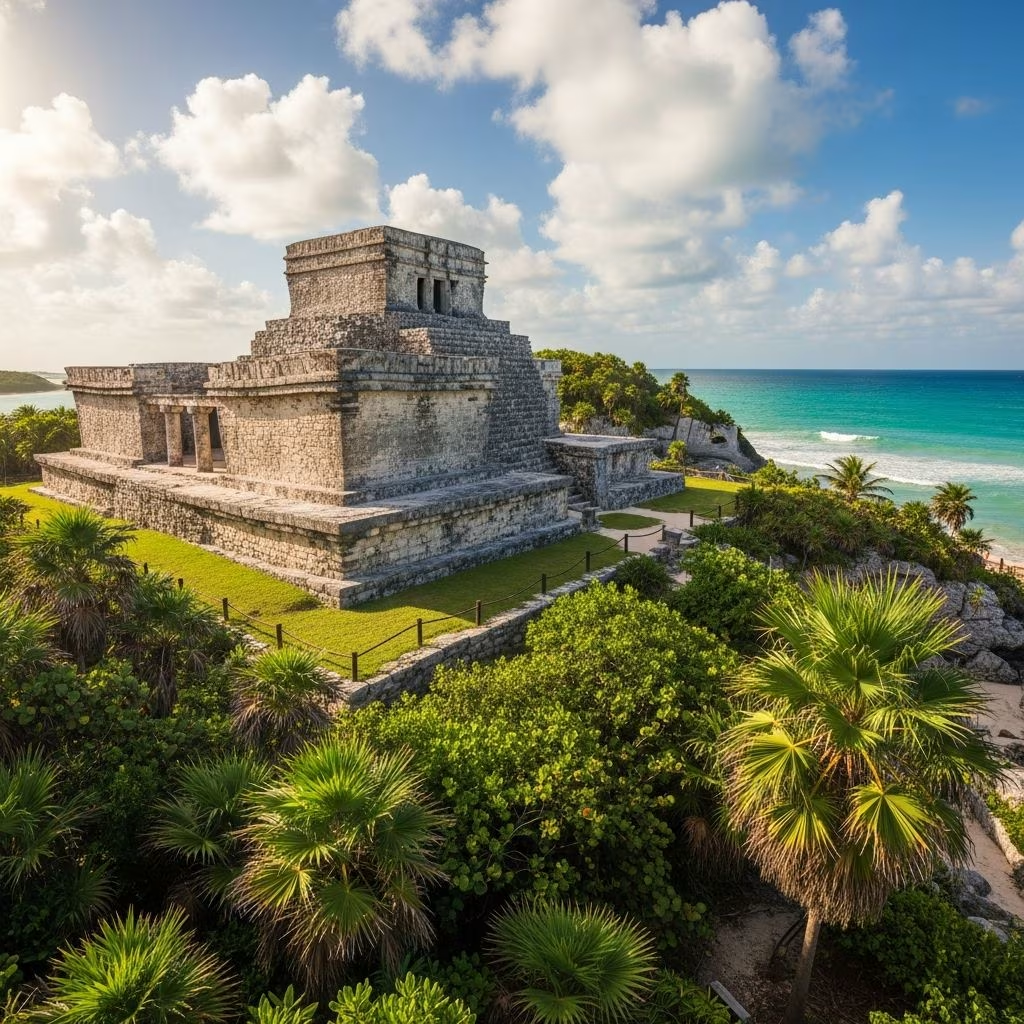
Perched dramatically on 12-meter cliffs overlooking the turquoise Caribbean Sea, Tulum’s archaeological zone is the only Mayan city constructed directly on the coast. Built primarily between the 13th and 15th centuries, it served as a vital port known as Zama, or “City of Dawn,” facilitating trade in jade, obsidian, and feathers across Mesoamerica.
Key structures include El Castillo, a towering temple that functioned as both lighthouse and observatory, aligning with solstices for agricultural calendars. Nearby, the Temple of the Frescoes depicts gods like the Descending God, a deity unique to Tulum symbolizing Venus and rain. The Temple of the Wind God reveals intricate carvings of Chaac, the rain deity central to Mayan survival in this arid region.
Visiting early morning avoids crowds and heat, with guides of Mayan descent like those mentioned in tours providing personal anecdotes that animate the stones. The site’s strategic location protected trade routes while offering panoramic ocean vistas, making it a highlight for history enthusiasts.
Beyond the ruins, Tulum’s true magic unfolds in modern Mayan villages nestled in the jungle. Communities like Dos Palmas or Emerald Village preserve traditions amid encroaching tourism, offering hands-on glimpses into daily life.
These visits support sustainable tourism, with proceeds aiding preservation of 300-hectare eco-parks that blend heritage and biodiversity.
Cenotes, natural sinkholes formed by collapsed limestone, were sacred to Mayans as entrances to Xibalba, the underworld. Tulum boasts over 60, with tours accessing hidden gems for swimming in emerald waters filtered through millennia.
Expect activities like snorkeling amid stalactites, cliff jumps, or serene floats. Tankah Park’s system spans multiple cenotes linked by trails, where guides explain geological formation and Mayan rituals of purification. Mystika, an immersive exhibit, uses massive photos to contextualize cenotes within Mayan nature reverence.
| Cenote | Highlights | Best For |
|---|---|---|
| Dos Palmas Cenote | Crystal-clear, jungle-hidden | Swimming & Relaxation |
| Tankah Cenotes | Multi-level system, hikes | Adventure & Exploration |
| Casa Tortuga | Emerald waters, family-friendly | Kids & Snorkeling |
These sites underscore Mayan hydrology knowledge, using cenotes for water when surface rivers were scarce.
Full-day tours weave Tulum ruins with Coba’s towering pyramids (climbable Nohoch Mul at 42 meters), village visits, and adrenaline like zip-lining over rainforests or rappelling. Tulum Xtreme packages pair historical walks with seven-line circuits soaring above canopies, ending in cenote dips.
For families, half-day options focus on ruins and beaches, with small groups ensuring engaging narration on Mayan architecture—from corbelled vaults to stucco masks. Eco-tours emphasize rural connections, gastronomy, and native parks.[10]
Plan for 4-8 hour excursions with hotel pickups; book via reputable operators for insured, guided access. Summers bring heat—opt for mornings; bring reef-safe sunscreen, water shoes, and biodegradable bug spray. Entry to Tulum ruins is about MXN 380 (2026 rates may vary).
Tourism booms challenge preservation, yet community-led initiatives like those in Tankah promote eco-tourism. Mayan descendants guide tours, ensuring authentic narratives and revenue retention. Visitors contribute by following Leave No Trace principles in cenotes and ruins.[10]
Early morning (8-10 AM) for fewer crowds and cooler temps; site open 9 AM-6:30 PM.
Yes, with guided tours providing life jackets; avoid solo visits to remote ones.
Absolutely—family-friendly with activities like tortilla-making suitable for all ages.
Tulum’s coastal setting and post-classic architecture focus on trade/maritime themes, unlike inland ceremonial centers.
Most from Cancun/Riviera Maya hotels; confirm for Tulum-based stays.
This journey through Tulum reveals a living heritage where past and present converge. From cliffside temples to jungle rituals, it offers profound connections to one of Mesoamerica’s greatest civilizations.
