


 Food & Culture
Food & Culture
Turkish Cheeses: Regional Varieties, Traditions & Taste
Discover Turkey's rich cheese heritage spanning nearly 200 varieties, from ancient traditions to modern production methods across distinct regions.
 Food & Culture
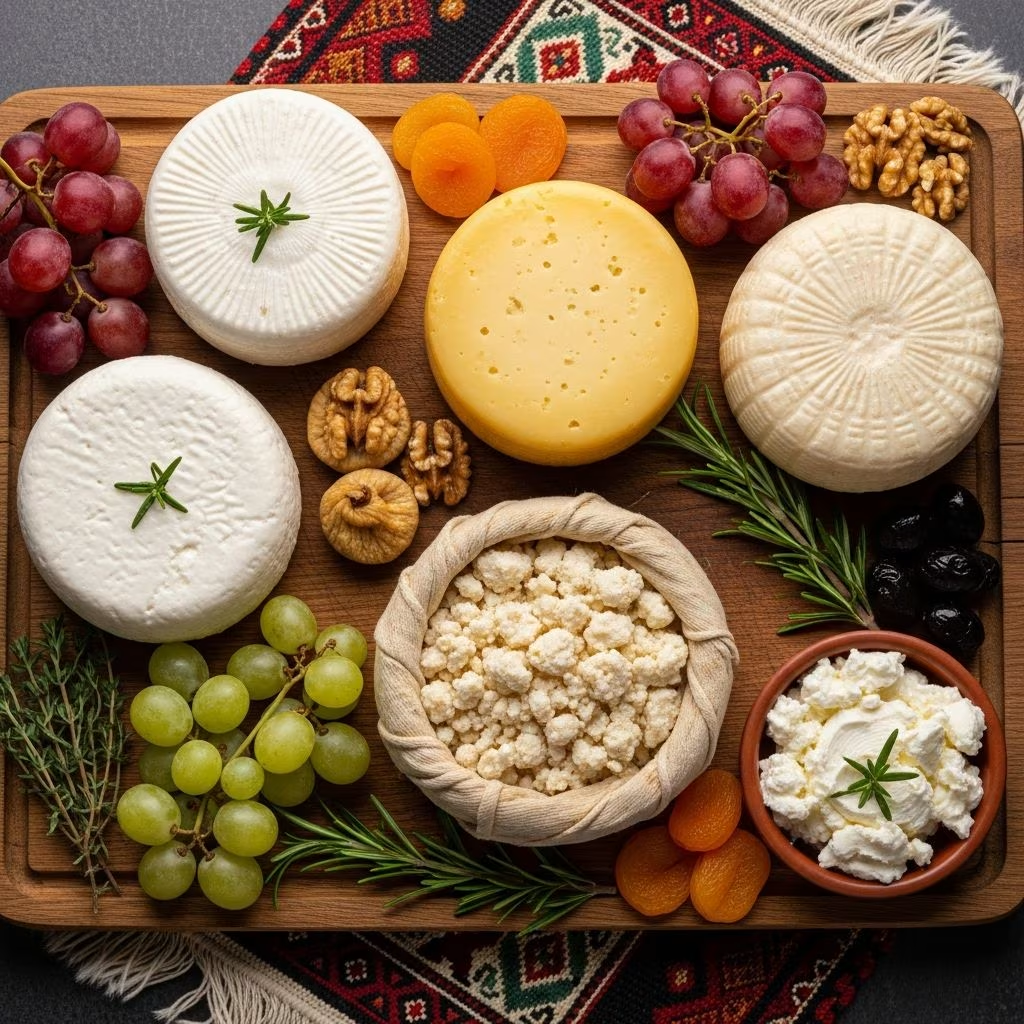
Turkey’s culinary landscape extends far beyond kebabs and mezze platters—at its heart lies a sophisticated and deeply rooted cheese tradition that has evolved over centuries. The country boasts nearly 200 distinct cheese varieties, each reflecting the unique geography, climate, and cultural heritage of its region of origin. These cheeses are not merely condiments but essential components of daily Turkish life, appearing at nearly every meal from sunrise breakfasts to evening gatherings.
The diversity of Turkish cheeses stems from multiple factors including varying altitudes, distinct climate zones, differing livestock breeds, and time-honored production methods passed down through generations. What makes this culinary inheritance particularly remarkable is how regional identity becomes embedded in each cheese, making them far more than simple dairy products—they are edible representations of Turkish regional diversity.
The Foundation: Understanding Turkish Cheese Culture
Cheese occupies a central position in Turkish food culture that extends beyond mere nutrition. The typical Turkish breakfast table showcases between one and three different cheese varieties, establishing the day’s culinary rhythm. Throughout lunch and dinner hours, cheese continues its presence either as an ingredient within prepared dishes or as a garnish adding final touches to complex preparations.
This omnipresence reflects both practical and cultural dimensions. Historically, cheese provided a crucial preservation method for milk in regions where refrigeration remained unavailable. The traditional practices developed during these periods have been maintained not out of necessity alone, but because they produce flavors and textures that modern production methods have yet to replicate. The result is a living culinary heritage where ancient techniques continue alongside contemporary cheese-making innovation.
The production of Turkish cheeses relies on milk sourced from multiple animal types—cattle, sheep, and goats—either used individually or combined according to regional tradition and recipe specifications. This flexibility in sourcing creates the foundation for tremendous variety across the country’s cheese portfolio.
Geographic Distribution and Production Variations
Turkey’s cheese varieties follow clear geographic patterns, with each region producing distinctive types reflecting local conditions. The country’s diverse topography—from coastal plains to high plateaus to mountainous terrain—creates distinct microclimates that influence both the animals grazing in these areas and the milk they produce.
Western Anatolia and Aegean Regions
The western portions of Turkey, encompassing areas along the Aegean and Marmara seas, represent a major cheese-producing zone distinguished by moderate climate and established dairy traditions. The Ezine district of Çanakkale province has earned particular renown, with its cheese receiving geographical indication registration from the European Union. Ezine cheese achieves its distinctive character through a blending process that combines varying proportions of cow, sheep, and goat milk. This combination produces a medium-hard, full-fat cheese displaying a white to slightly yellowish appearance with small holes distributed across its surface.
The western region’s cheese production benefits from access to multiple milk sources within manageable distances, allowing producers to maintain consistent quality while experimenting with different milk combinations. This accessibility has historically enabled the development of complex recipes requiring multiple milk types.
Black Sea and Northern Regions
Northern Turkey’s Black Sea region produces specialized cheeses adapted to local culinary traditions and ingredient availability. Kolot cheese, manufactured from full-fat cow’s milk, represents a signature product of this area. Beyond its standalone consumption, Kolot plays an indispensable role in preparing Kuymak, a beloved Black Sea dish combining corn flour, butter, water, and this distinctive cheese. The cheese’s appeal lies in its remarkable melting qualities, rich yellow coloring, and complex flavor profile.
Eastern Anatolia Plateau
The high plateaus of Eastern Anatolia generate some of Turkey’s most celebrated and complex cheese varieties. The elevated terrain, cool fresh air, and rich plant diversity create ideal conditions for cheese production. This region’s prominence in Turkish cheese culture cannot be overstated, as several iconic varieties originate from Eastern Anatolian provinces.
Kars Graveyeri emerged from a fascinating cross-cultural encounter when Swiss cheese maker David Moser visited the Kars region during the late 1800s. His influence introduced European cheese-making techniques that subsequently merged with local traditions and milk sources. The resulting cheese exhibits semi-hard characteristics with a sharp taste and dark yellow coloring. This distinctive appearance results from the specific grazing patterns of cows and goats consuming the region’s unique endemic plants.
Erzincan Tulum represents another Eastern Anatolian treasure, distinguished by its traditional production methodology. Created from sheep’s milk, the cheese undergoes pressing for two to three months before being stored within goat or sheep skin containers, with the final product suited for consumption on arugula salads or paired with warm Turkish bread. The production process traditionally involved initial fermentation within sheep’s stomach linings before the mixture was transferred to animal skin storage vessels.
Cappadocia and Central Anatolia
The Cappadocia region demonstrates how geography directly influences cheese characteristics and production methods. Niğde moldy blue cheese represents one of Turkey’s most distinctive varieties, stored in caves extending 15 meters below ground level. This geological feature provides consistent temperature and humidity conditions impossible to achieve through artificial means, allowing the cheese to develop its characteristic mold patterns and complex flavor profile naturally.
White Cheese Heritage: Beyaz Peynir and Its Variations
White cheese, known as Beyaz Peynir, appears on virtually every Turkish breakfast table throughout the country. Despite its ubiquity, this cheese category encompasses remarkable variation in flavor profiles, textures, and production methods depending on the region and producer.
The basic production process for white cheeses involves curdling milk using vegetable rennet, cutting the curds, applying salt, and pressing the mixture into blocks for aging in brine for approximately six months. However, this standardized description belies tremendous variation in execution. Different producers adjust milk type, curdling duration, salt application, and aging conditions to create distinct products.
White cheeses can be manufactured from cow, sheep, or goat milk, and can range from hard to soft textures depending on production specifications. This flexibility allows for tremendous variety even within the white cheese category, enabling regional distinctions and producer differentiation.
Mountain Varieties and Herbaceous Traditions
Mountain cheese production in Turkey incorporates distinctive practices reflecting the alpine environment and available resources. Van Otlu Peyniri, produced in the mountainous regions near Van, exemplifies this tradition. Similar to feta in basic structure but softer, saltier, and more complex in flavor, this cheese is created by mountain villagers raising sheep whose milk forms its foundation.
The production method for Van Otlu Peyniri involves preservation in brine while being infused with or covered by herbs gathered from nearby mountains. The typical duration for this underground burial extends from four to six months, allowing flavors to mature and herbs to thoroughly permeate the cheese. The most commonly employed herb is sirmo, a wild garlic variety, though mountain thyme, fennel, mint, and various wildflowers frequently supplement this base. The gathering of these herbs often involves mountain village children as a summer activity, connecting cheese production to broader community traditions.
This herbal integration reflects both practical food preservation techniques and cultural practices that extend far beyond simple flavor enhancement. The herbs themselves often carry nutritional properties, and their inclusion in cheese storage represents knowledge accumulated across generations regarding complementary preservation methods.
Production Methods and Artisanal Techniques
Turkish cheese production encompasses a spectrum ranging from industrial-scale operations to traditional artisanal methods maintained in rural communities. Many celebrated varieties continue using techniques fundamentally unchanged for centuries, despite modern alternatives becoming available.
The use of animal skins for aging represents one particularly distinctive traditional practice. Tulum cheeses, stored in sheep or goat skin containers, develop characteristics impossible to replicate using modern storage materials. The skin imparts subtle flavors while allowing controlled permeability that influences the aging process. This practice, while labor-intensive compared to industrial alternatives, persists because the resulting product quality justifies the additional effort.
Similarly, traditional fermentation practices employing natural yeasts rather than commercial cultures continue in many regions. These methods require greater attention to environmental conditions and timing, yet produce flavor complexity that standardized fermentation processes have difficulty matching.
Cheese in Turkish Culinary Applications
Turkish cuisine integrates cheese throughout the daily meal structure in diverse applications. At breakfast, cheese appears simply arranged on plates for direct consumption. Lunch often features cheese as an ingredient within prepared dishes, such as grilled cheese sandwiches utilizing Kaşar cheese. Dinner preparations frequently incorporate cheese either mixed into dishes or grated across the final presentation.
Beyond these common applications, regional specialties employ specific cheese varieties as essential components. The Black Sea’s Kuymak remains impossible to prepare authentically without Kolot cheese, as the specific melting characteristics and flavor profile of this particular variety contribute irreplaceably to the dish.
Frequently Asked Questions
Q: How many distinct cheese varieties exist in Turkey?
A: Turkey produces nearly 200 different cheese varieties, though the exact count fluctuates as production methods evolve and regional specialties gain or lose prominence.
Q: Which Turkish cheeses have protected status?
A: Ezine cheese from the Çanakkale region holds geographical indication registration from the European Union, providing legal protection for the name and ensuring production standards.
Q: What role does altitude play in Turkish cheese characteristics?
A: Higher altitude regions produce distinctive cheeses due to cool temperatures, unique plant diversity in mountain pastures, and environmental conditions that influence milk composition and aging processes.
Q: Are Turkish cheeses typically soft or hard?
A: Turkish cheese production encompasses both soft and hard varieties, with specific types ranging from crumbly white cheeses to semi-hard aged varieties to soft, brined options depending on regional tradition and intended application.
Q: What milk types are used in Turkish cheese production?
A: Turkish cheeses are produced from cow, sheep, or goat milk, either individually or combined according to recipe requirements and regional tradition.
The Future of Turkish Cheese Traditions
Contemporary Turkish cheese production faces the perpetual tension between traditional methods and modern production efficiency. As younger generations increasingly migrate to urban centers, knowledge transfer regarding artisanal techniques faces interruption. Simultaneously, geographic indication protections and growing international interest in traditional foods incentivize the preservation of established production methods.
The continuation of Turkish cheese heritage depends on balancing cultural preservation with economic viability. Producers maintaining traditional approaches while developing market access channels demonstrate that authenticity need not conflict with contemporary business realities. Educational initiatives documenting traditional techniques and training younger producers ensure that knowledge persists even as production methods evolve.
Turkey’s cheese varieties represent far more than simple dairy products—they embody geographic identity, historical continuity, and community traditions. Each region’s distinctive offerings reflect thousands of years of accumulated knowledge regarding optimal milk sources, environmental conditions, and production timing specific to particular locales. This living heritage continues to influence Turkish culinary practices while attracting growing international appreciation from cheese enthusiasts recognizing the complexity and sophistication embedded in these traditional varieties.
References
- Why you need to try Türkiye’s cheeses — Lonely Planet. 2024. https://www.lonelyplanet.com/articles/discover-turkey-cheese
- Türkiye’s rich cheese culture captivates visitors — Drift Travel Magazine. 2024. https://drifttravel.com/turkiyes-rich-cheese-culture-captivates-visitors/
- Discover Why Cheese Makes Turkish Breakfasts So Great — Cheese Professor. 2024. https://www.cheeseprofessor.com/blog/cheese-turkish-breakfasts
- 4 Awesome Turkish Cheeses Everyone Needs To Know — GoTürkiye. 2024. https://goturkiye.com/blog/4-awesome-turkish-cheeses-everyone-needs-to-know
- All About Turkish Cheese — Tours Around Turkey. 2024. https://toursaroundturkey.com/all-about-turkish-cheese/
On This Page
The Foundation: Understanding Turkish Cheese Culture Geographic Distribution and Production Variations White Cheese Heritage: Beyaz Peynir and Its Variations Mountain Varieties and Herbaceous Traditions Production Methods and Artisanal Techniques Cheese in Turkish Culinary Applications Frequently Asked Questions The Future of Turkish Cheese Traditions← Previous
12 Hidden Beaches in Indonesia Worth Exploring
Next →
Wild Atlantic Way Guide: Ireland’s Ultimate Coastal Road Trip
Related Reading
More in Food & Culture
Food & Culture Food & Culture
 Food & Culture
Best Places to Eat in Rome: Neighborhood Dining Guide
 Food & Culture
 Food & Culture