

 Travel Essentials
 Travel Essentials

Discover key insights for your Tuscany trip: best seasons to visit, getting around, must-try foods, cultural etiquette, and top destinations from Florence to Val d’Orcia.
 Travel Essentials
Planning a journey to Tuscany promises encounters with rolling hills, Renaissance masterpieces, and world-class wines. This guide equips you with practical knowledge to navigate the region confidently, drawing from timeless traditions and modern travel realities.
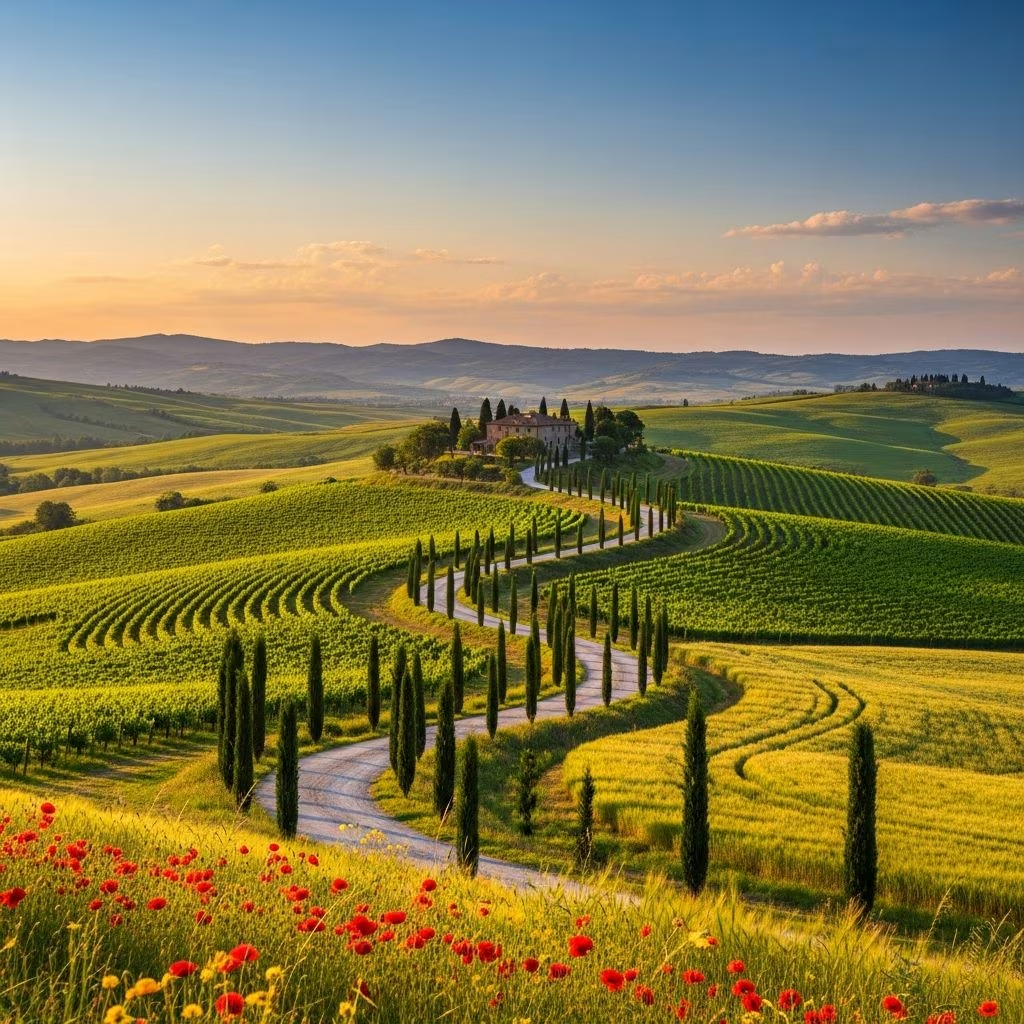
Tuscany’s allure shifts with the seasons, each offering distinct experiences. Spring (April to June) brings mild weather ideal for hiking through vineyards and exploring medieval towns without overwhelming crowds. Temperatures average 15-25°C (59-77°F), with wildflowers blanketing the countryside.
Summer (July-August) peaks in heat, often exceeding 30°C (86°F), drawing massive tourist influxes to Florence and Siena. While festivals like Siena’s Palio horse race add excitement, expect higher prices and booked accommodations.
Autumn (September-October) stands out for harvest season, when Chianti grapes ripen and truffle hunts thrive. Cooler evenings (10-20°C or 50-68°F) enhance wine tastings and outdoor dining. Winter (November-March) suits budget travelers, with fewer visitors and cozy agriturismo stays, though rain is common and some rural sites close.
Tuscany blends urban hubs with rural expanses, requiring smart mobility choices. Trains connect major cities efficiently: Florence to Pisa takes 1 hour, Siena 1.5 hours via bus-train combo. Trenitalia offers reliable services, with regional tickets under €10.
Renting a car unlocks the countryside—Chianti’s winding SR222 (Chiantigiana Road) and Val d’Orcia’s cypress-lined paths demand it. Opt for automatics if manual-shifting intimidates; gas stations are plentiful but parking in hill towns is tight. Buses from Florence serve Siena, San Gimignano, and Lucca, though schedules suit early risers.
Biking thrives in flat Lucca or Volterra’s outskirts, with rentals from €20/day. For eco-friendly exploration, e-bikes conquer hills effortlessly. Taxis or rideshares work in cities but inflate costs rurally.
| Mode | Best For | Cost Estimate | Pros | Cons |
|---|---|---|---|---|
| Train | Cities (Florence-Siena) | €5-15 | Fast, scenic | Limited rural access |
| Car Rental | Countryside, flexibility | €40-80/day | Freedom, views | Parking hassles, ZTL fines |
| Bus | Hill towns | €4-10 | Affordable | Infrequent |
| Bike | Lucca, vineyards | €20/day | Immersive | Hilly terrain |
Florence anchors northern Tuscany, brimming with Uffizi Gallery’s Botticellis and Michelangelo’s David. Day-trip to Pisa’s Leaning Tower or Lucca’s tree-lined walls.
Siena captivates with its shell-shaped Piazza del Campo and Gothic Duomo. Nearby Crete Senesi offers stark, clay-hued landscapes for drives.
Chianti’s heart—towns like Greve, Radda, and Castellina—immerse you in vineyards. Stay in agriturismi for farm-fresh breakfasts and cellar tours.
Val d’Orcia, a UNESCO gem, features Pienza’s pecorino cheese, Montalcino’s Brunello wines, and Montepulciano’s Vino Nobile. Road-trip connectors yield postcard panoramas.
Offbeat picks: Volterra’s Etruscan alabaster crafts; San Gimignano’s tower silhouettes; Garfagnana’s marble mountains and hikes.
Tuscany’s cuisine emphasizes simplicity: olive oil, fresh produce, and minimal intervention. Signature dishes include ribollita (bread-veggie soup), pappa al pomodoro, and bistecca alla fiorentina (thick T-bone steak for 2-4).
Pasta shines in pici (hand-rolled strands) with wild boar ragù. Hill towns proffer pecorino sheep cheese and truffles seasonally.
Wine reigns: Chianti Classico’s Sangiovese, Montalcino’s robust Brunello, Montepulciano’s lighter Nobile. Pair at enotecas or estates like Castello Banfi. Bread is sacred— unsalted schiacciata with prosciutto.
Dine like locals: Pranzo (lunch) midday; aperitivo pre-dinner. Markets in Florence’s Sant’Ambrogio yield picnic treasures.
Tuscans prize la dolce vita—slow-paced, family-oriented. Greet with “Buongiorno” (morning) or “Buonasera” (evening); handshakes suffice, kisses on cheeks for friends. Dress smart-casual for dinners; churches demand covered shoulders/knees.
Watch for ZTL zones (limited traffic)—fines arrive months later. Tipping is minimal: round up bills. Siesta closes shops 1-4pm.
Festivals: Siena’s Palio (July/August), Volterra’s alabaster fair. Respect queues at gelaterias; savor espresso standing at bars.
Agriturismi dot countryside, blending farms with luxury—think infinity pools amid vines (€100-250/night). Florence’s boutique hotels near Duomo offer rooftop views (€150+).
Hill towns like Montepulciano have cozy B&Bs; Lucca’s wall-adjacent palazzos charm. Book 6 months ahead for summer.
Daily costs: €100-150 mid-range (meals €30, sights €20, transport €20). Splurges: Wine tours €50+, fine dining €80. Save via picnics, free hikes.
Tread lightly: Support Slow Food producers, use reusable bottles. Roads twist—drive cautiously. Petty theft targets tourists; secure valuables.
September-October during harvest for vibrant cellars and festivals.
Essential for rural areas like Val d’Orcia; trains suffice for cities.
Bistecca, ribollita, Chianti wines, pecorino.
7-10 days: 3 Florence/Siena, 4 countryside.
Yes in cities; cash for small towns/markets.
