


 Food & Culture
Food & Culture
UK vs US Food: Key Differences in Ingredients, Portions & Health
From cereals to soda, UK and US foods differ in sugar, additives, portions, and taste—revealing how regulations shape what we eat.
 Food & Culture
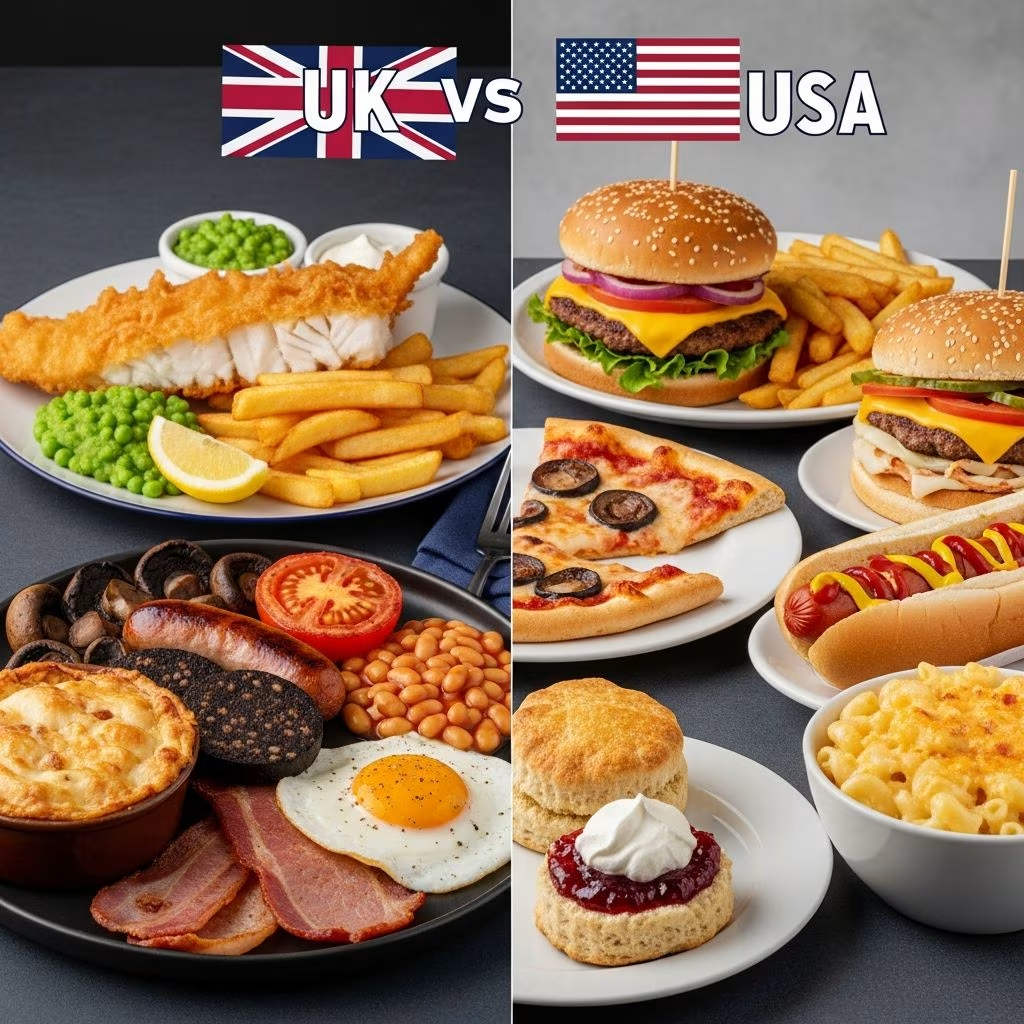
Food habits across the Atlantic reveal fascinating regulatory, cultural, and nutritional divides between the United Kingdom and the United States. While both nations share a love for fast food and convenience items, differences in ingredients, portion sizes, and formulations highlight distinct approaches to eating.
Regulatory Landscapes Shaping Ingredients
The core divergence stems from food safety standards. The European Union, which influences UK rules even post-Brexit in many areas, enforces proactive restrictions via the European Food Safety Authority (EFSA). This body bans additives unless proven safe, contrasting the US Food and Drug Administration (FDA)’s reactive stance, which acts only after harm is evident.
These policies affect everything from colors to preservatives. US products often feature synthetic dyes like Red 40, absent in UK versions due to health concerns.
Supermarket Staples: Cereals and Snacks
Breakfast cereals exemplify these gaps. A 2019 study of over 600 products across five countries found UK cereals lowest in salt and sugar, while US ones topped sugar content.
- UK cereals prioritize natural flavors and lower sweeteners.
- US variants add more sugar for taste appeal.
Snack aisles show brand parallels but formula tweaks. Iconic items like digestive biscuits exist in both, yet availability and tastes vary subtly.
Beverages: Soda and Beyond
Sugary drinks amplify differences. US Fanta Orange packs 44 calories per 100ml with 12g sugar, versus UK’s 19 calories and 5g sugar—over double the sweetness stateside.
| Drink | US (per 100ml) | UK (per 100ml) |
|---|---|---|
| Fanta Orange Calories | 44 | 19 |
| Sugar (g) | 12 | 5 |
McDonald’s strawberry sundaes further illustrate: US uses Red 40 dye, UK relies on actual strawberries.
Fast Food and Chain Restaurants
Restaurant menus mirror retail trends. A 2018 analysis of 41,000 items from 42 UK chains and 96 US ones revealed US dishes higher in calories, sugar, fat, and saturated fat. Over 95% of items in both exceeded healthy thresholds for at least one nutrient, signaling reform needs everywhere.
Portions play a role too, with US servings often larger, contributing to higher intakes.
Cultural Eating Patterns and Daily Diets
Beyond formulations, consumption volumes differ. UK residents average 2307g of food daily, led by produce at 36% and trailing with fish/seafood at 2%. US patterns emphasize processed items more heavily.
Brands like Marmite define UK tastes—yeasty spreads absent in typical US pantries—while Americans favor peanut butter ubiquity. Grocery layouts align yet stock unique regional favorites.
Health Implications of Transatlantic Choices
Higher US sugars and additives correlate with obesity rates, though both face challenges. UK’s stricter rules promote marginally healthier defaults. Travelers note these shifts: a US burger might pack extra calories versus its UK twin.
Iconic Dishes and Regional Twists
Pub grub versus diners: UK fish and chips use fresher batter, US versions batter-fried with bolder spices. Pies—steak and kidney in UK, apple in US—show savory-sweet splits.
- UK Strengths: Fresher produce emphasis, fewer dyes.
- US Strengths: Variety, bold flavors, larger portions.
Travel Tips for Food Lovers
Crossing the pond? Sample UK sconals (scone-croissant hybrids) or US cronuts. Check labels: US shoppers find EU imports cleaner. Supermarket hauls reveal chains like Tesco (UK) versus Walmart (US) stocking parallel yet altered goods.
Future Trends: Convergence or Divergence?
Globalization blends influences—US chains adapt UK-low sugar recipes, vice versa. Yet regulations persist, maintaining divides.
Frequently Asked Questions
Why does US food have more sugar?
Looser FDA rules allow higher sweeteners for palatability, unlike EFSA’s restrictions.
Are UK foods healthier overall?
On average, yes for additives and sugar, per studies, but portions and habits vary.
Can I find the same brands abroad?
Yes, but formulations differ—e.g., sweeter US cereals.
How do restaurant calories compare?
US menus average higher in fat/sugar/calories.
What UK treat should Americans try?
Marmite on toast for a savory shock.
References
- US vs UK Season 7 Marathon | Food Wars | Insider Food — YouTube/Insider Food. N/A. https://www.youtube.com/watch?v=wmfd6NVua6A
- UK vs. US: What’s in Your Food? — ZOE. N/A. https://zoe.com/learn/uk-versus-us-food
- US vs. UK Food: A Taste of British Culture — Washington College/The Elm. 2015-11. https://blog.washcoll.edu/wordpress/theelm/2015/11/us-vs-uk-food-a-taste-of-british-culture/
- British vs American Food & Cuisine | What The World Eats — What The World Eats. N/A. https://whatworldeats.com/compare/?countryA=united-kingdom&countryB=united-states
On This Page
Regulatory Landscapes Shaping Ingredients Supermarket Staples: Cereals and Snacks Beverages: Soda and Beyond Fast Food and Chain Restaurants Cultural Eating Patterns and Daily Diets Health Implications of Transatlantic Choices Iconic Dishes and Regional Twists Travel Tips for Food Lovers Future Trends: Convergence or Divergence? Frequently Asked Questions← Previous
Booking.com Adds Grab Rides Across Southeast Asia
Next →
Serranía de la Lindosa: Colombia’s 12,000-Year-Old Amazon Rock Art
Related Reading
More in Food & Culture
Food & Culture Food & Culture
 Food & Culture
Best Places to Eat in Rome: Neighborhood Dining Guide
 Food & Culture
 Food & Culture