

 Travel Essentials
 Travel Essentials

A comprehensive 10-day itinerary covering Armenia's most significant historical sites, cultural attractions, and natural wonders from Yerevan to the northern regions.
 Travel Essentials
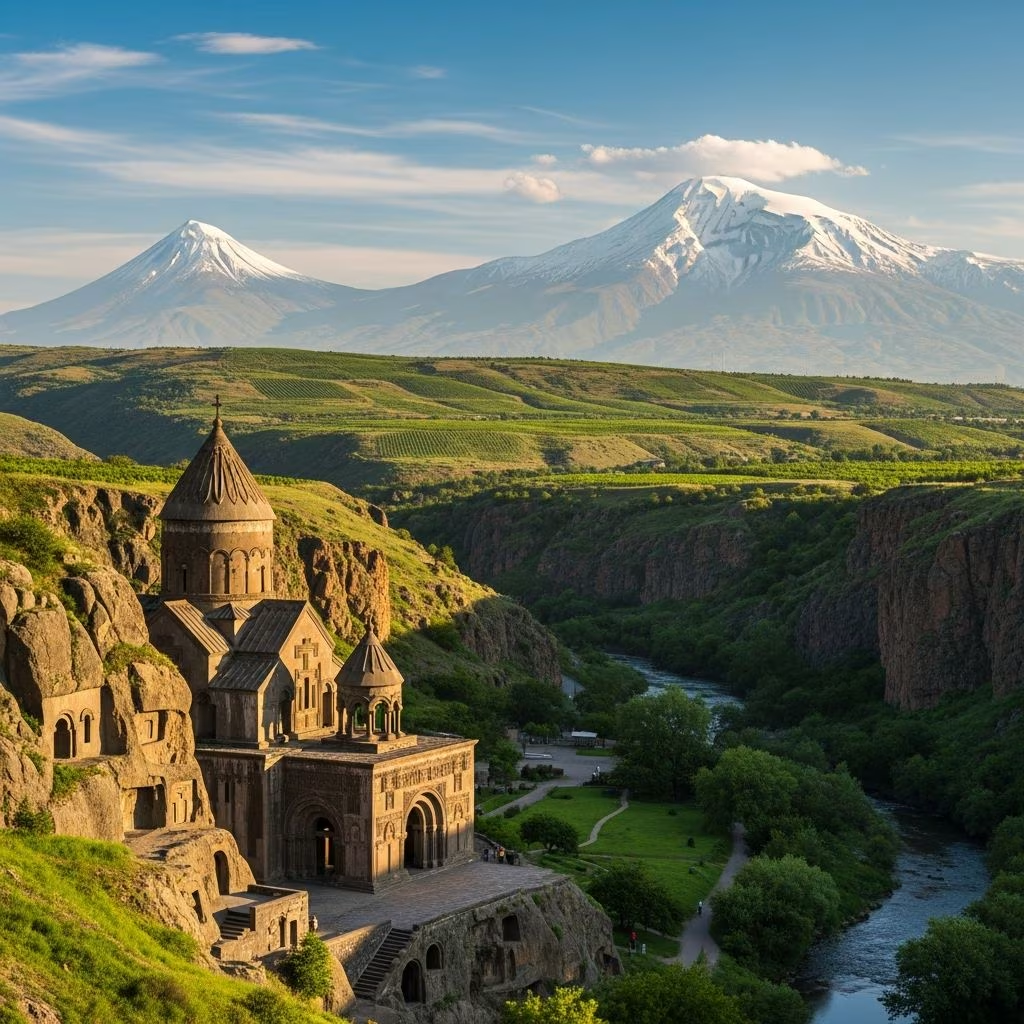
Armenia, nestled in the South Caucasus region, represents one of the world’s oldest Christian civilizations with a rich tapestry of historical monuments, artistic heritage, and breathtaking natural scenery. This comprehensive guide provides a structured approach to experiencing the country’s most compelling destinations across a ten-day period, allowing travelers to engage meaningfully with both urban cultural centers and remote mountain landscapes. The itinerary balances accessibility with authentic cultural immersion, ensuring visitors encounter both popular attractions and lesser-known regional treasures.
Yerevan, Armenia’s vibrant capital, serves as the natural entry point for most international visitors. The city deserves a full two days of exploration to appreciate its unique architectural character and dynamic cultural scene. Begin by wandering through the heart of the city, where distinctive pink and orange tuff-stone buildings create an unmistakable urban aesthetic that blends Soviet-era grandeur with local Armenian design traditions.
Key exploration areas include the city center’s main squares and boulevards, where you’ll encounter numerous water fountains offering refreshment throughout the day. The architectural landmarks showcase a fascinating evolution of styles, from classical Soviet structures to contemporary glass buildings. Museums throughout the city provide crucial context for understanding Armenian history, art movements, and regional politics.
The cultural institutions warrant dedicated time, particularly those highlighting Armenian artistic contributions and historical narratives. Evening activities might include dining at one of the city’s numerous restaurants specializing in traditional Armenian cuisine or sampling local wines at wine bars. The café culture thrives throughout Yerevan, with numerous terraces offering ideal spots for people-watching and relaxation.
A full-day excursion from Yerevan reaches several of Armenia’s most significant religious and historical sites. Begin with visits to ancient temple structures that predate Christianity by centuries, demonstrating Armenia’s position at the crossroads of civilizations. These sites showcase distinctive architectural styles influenced by Roman, Persian, and Byzantine traditions.
Continue to medieval monastery complexes that represent pinnacles of Armenian ecclesiastical architecture and served as centers of learning, craftsmanship, and spiritual life for centuries. These institutions preserve remarkable stone carvings, intricate decorative elements, and extensive grounds that warrant several hours of exploration. The caves surrounding major monastery sites provide insight into monastic communities’ daily lives and spiritual practices.
A concluding destination features a hilltop monastery offering panoramic views of significant regional geography, including views toward neighboring countries. This location holds profound spiritual significance in Armenian culture and attracts pilgrims alongside tourists.
For this day trip, visitors may return to Yerevan for overnight accommodation or select mountain lodging options featuring traditional guesthouses and unique glamping facilities. Some establishments offer camping experiences with modern amenities, including swimming facilities for warm-season visitors.
Moving southward from the capital, travelers reach a renowned spa town famous for its natural thermal springs and mountain setting. This region provides respite from intensive sightseeing with opportunities for relaxation and wellness activities. The town itself features modest facilities and local restaurants emphasizing traditional cuisine.
The surrounding landscape offers excellent hiking opportunities for visitors seeking physical engagement with Armenia’s natural environment. Mountain villages showcase traditional ways of life, offering glimpses into rural Armenian culture. Local guides can facilitate deeper exploration of regional ecology, geology, and cultural practices.
The journey to Armenia’s southeastern region traverses extraordinary mountain passes and dramatic geological formations. The destination town, built amid towering rock formations, preserves impressive nineteenth-century architecture representative of pre-Soviet Armenian building traditions. Tree-lined streets and classical facades create an atmosphere markedly distinct from Soviet-era urban development.
The surrounding area features extensive cave networks, some naturally formed and others deliberately enlarged by human habitation. These geological formations demonstrate the region’s long history of settlement and showcase dramatic landscape architecture created by natural forces over millennia.
Traveling northward, the route passes through diverse landscapes ranging from mountainous plateaus to forested valleys. A significant mountain town serves as a hub for exploring northern Armenia’s cultural and natural attractions. This region maintains distinct characteristics from southern areas, featuring different architectural styles, local traditions, and economic activities.
A glacial lake in this region represents one of Armenia’s most visited natural attractions, though the immediate lakeside town offers limited authentic cultural experiences. Instead, a nearby peninsula provides superior viewing opportunities with significant historical religious structures. The area features traditional cheese-producing farms offering visitors opportunities to engage with local agricultural practices and taste artisanal products.
A picturesque mountain resort town provides excellent accommodation and serves as a base for exploring several notable regional sites. The natural environment surrounding this destination includes distinctive geological formations, forest ecosystems, and scenic vistas. Local restaurants emphasize forest mushrooms, trout, and other regional specialties.
The final day explores Armenia’s northernmost regions, reaching the country’s closest proximity to Georgia. A historic town in this area hosts multiple UNESCO-recognized monasteries and represents a cultural crossroads. Guesthouses throughout the area are known for exceptional hospitality and offer cooking classes introducing visitors to authentic Armenian food preparation techniques.
The Debed River canyon encompasses some of Armenia’s most visually striking natural scenery, characterized by steep cliff formations, river gorges, and scattered settlements. Multiple monasteries occupy dramatic perches throughout the canyon, accessible via hiking paths and local routes. The river itself offers seasonal recreation opportunities for visitors seeking active engagement with the landscape.
Armenia’s road infrastructure, though improving, features winding mountain routes requiring several hours for journeys between major destinations. Most inter-city travel occurs via private vehicle, either rental cars or hired drivers providing flexibility and cultural interpretation. Public transportation exists but offers limited convenience for tourists maintaining specific schedules.
Climate varies significantly by elevation and season. Spring and autumn provide moderate temperatures ideal for sightseeing without extreme heat. Winter snow affects accessibility to higher elevations and remote sites. Summer permits maximum activity options, including river recreation, though popular sites experience increased visitor numbers.
Religious sites require respectful behavior including appropriate dress and conduct. Local communities generally welcome visitors demonstrating genuine interest in Armenian culture and history. Learning basic Armenian phrases demonstrates respect and facilitates connections with residents.
Armenian cuisine represents a significant cultural element deserving dedicated attention during your visit. Traditional dishes emphasize bread, grilled meats, fresh vegetables, and dairy products reflecting the country’s agricultural heritage. Regional variations occur throughout the itinerary, with different areas emphasizing locally available ingredients.
Wine production has ancient roots in Armenia, with several regions producing distinctive varietals. Wine-tasting opportunities exist at various establishments, though many operate informally in family homes or guesthouses rather than commercial tasting rooms. Local cognac production also represents an important beverage tradition.
This ten-day framework accommodates modification based on personal interests and available time. Visitors with additional days might deepen exploration of specific regions, spend more time in cultural institutions, engage in outdoor activities like hiking or rock climbing, or incorporate adjacent countries like Georgia into their travel plans.
Archaeological enthusiasts could allocate additional days to lesser-visited ancient sites and ruins requiring more specialized guidance. Art lovers might extend time in Yerevan exploring museums and galleries. Nature-focused travelers could emphasize hiking, wildlife observation, and geological formations.
This ten-day itinerary provides comprehensive engagement with Armenia’s most significant attractions while remaining accessible to travelers with moderate physical capabilities and moderate budgets. The journey balances structured tourism with opportunities for spontaneous discovery, cultural connection, and personal reflection. By moving methodically through regions while maintaining flexibility for unexpected encounters, visitors can create meaningful experiences transcending typical tourist activities.
