

 Travel Essentials
 Travel Essentials

Master the art of flying with kids by organizing carry-on bags strategically. Learn what essentials to pack for comfort, entertainment, and peace of mind.
 Travel Essentials
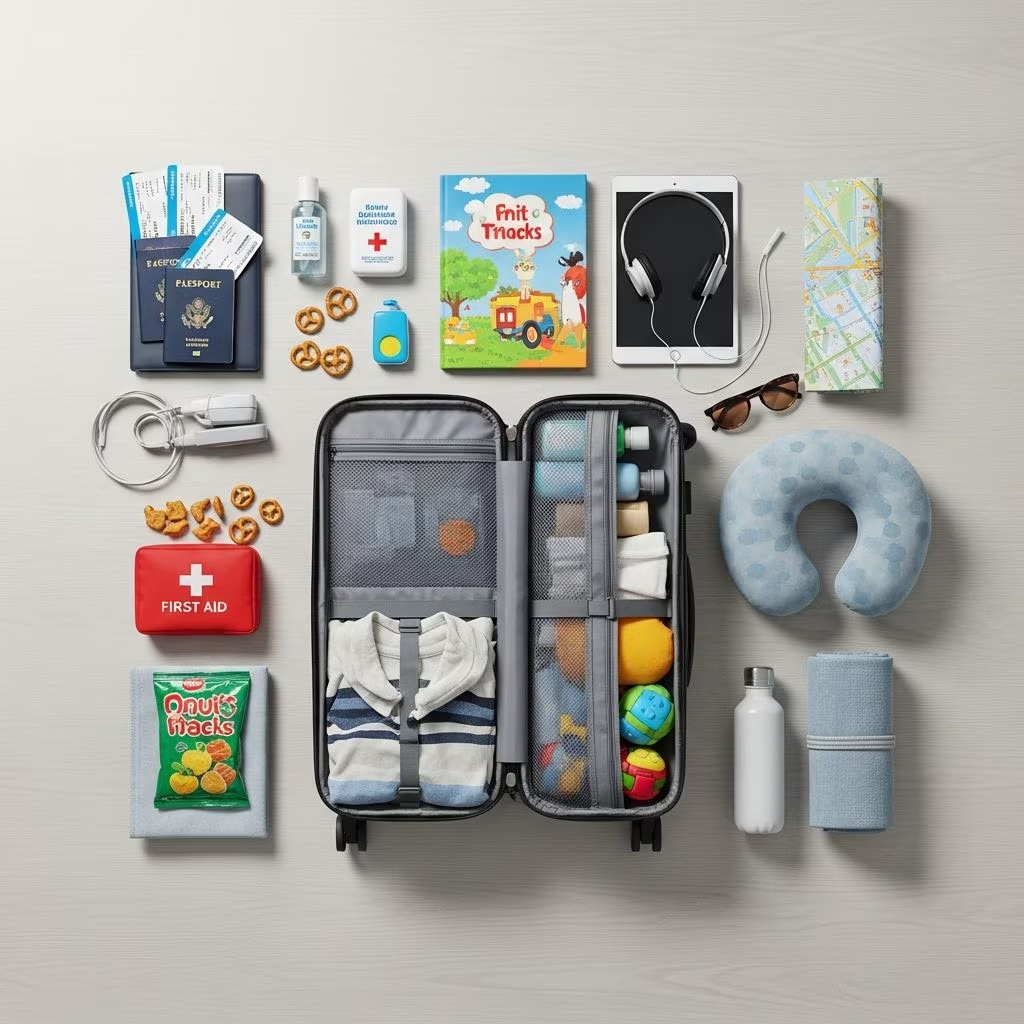
Air travel with children requires thoughtful preparation and strategic packing to ensure a smooth journey for everyone involved. Rather than throwing items into a bag haphazardly, successful family flyers organize their belongings by priority and accessibility. This comprehensive guide breaks down everything you need to know about preparing your family for air travel, from critical documents to entertainment solutions that keep children engaged throughout the flight.
The foundation of successful air travel with children begins with understanding how to organize your carry-on luggage effectively. Rather than packing everything in one large bag, consider dividing your carry-on contents into multiple smaller bags or compartments. This approach allows you to locate items quickly without disrupting other passengers or creating chaos in your seat area.
The most effective organization method involves categorizing items by when you’ll need them during your journey. Items you’ll access immediately, such as boarding passes, identification documents, and entertainment, should be easily reachable at the top of your bag. Items needed during the flight, including snacks and comfort items, can be stored in a secondary location. Emergency items and backup supplies can occupy the bottom portion of your carry-on.
Before packing entertainment or comfort items, ensure all necessary documentation is secured and easily accessible. Traveling by air requires specific identification documents that vary by traveler age and destination type. Keep passports, Real ID documents, and boarding passes in a dedicated, secure pocket or small pouch within your carry-on bag.
Beyond identification, gather the following critical documents:
Keeping these items together in a dedicated pouch prevents last-minute scrambling at security checkpoints and gate areas. A small TSA-approved organizer or document holder designed for travel can significantly streamline this process.
Airplane cabins maintain cold temperatures regardless of outside weather conditions, making appropriate clothing essential for family comfort. Pack a lightweight hoodie or sweater for each family member, including children, to layer over t-shirts or short-sleeved outfits worn during warmer departure locations.
Specialized airplane socks warrant particular attention when traveling with children. These grip-soled socks prevent slipping on airplane floors and aisle areas, which poses safety concerns for younger passengers navigating to lavatories or moving about the cabin. Standard in-flight socks also provide comfort for children removing shoes during longer flights.
Additional clothing considerations include:
Including backup clothing in your carry-on protects against luggage delays or mishaps during the flight. Children wearing fresh clothing after accidents or spills maintain comfort and dignity throughout the remainder of their journey.
Extended flights require sleep support systems that help children rest comfortably in unfamiliar environments. A travel pillow specifically designed for children’s proportions provides neck support without occupying excessive carry-on space. Younger children benefit from neck pillows with child-friendly designs that prevent neck strain during sleep.
Accompanying a travel pillow with beloved comfort items significantly improves sleep success. Pack a favorite stuffed animal or small lovey that your child associates with bedtime routines. The familiar scent and touch of a beloved toy provides emotional comfort that transcends new travel environments.
Sleep enhancement items include:
For families with very young children, consider portable white noise machines designed for travel. These compact devices recreate familiar sleep environments that soothe infants and toddlers accustomed to background noise during naps.
Keeping children entertained prevents boredom-related disruptions and passes flight time more pleasantly for your entire family. Stratify entertainment options by engagement level, starting with passive activities and progressing to more interactive entertainment as the flight progresses.
Modern family travel increasingly incorporates tablets and portable devices preloaded with age-appropriate entertainment. Download movies, television shows, and educational programs before arriving at the airport, ensuring uninterrupted access without relying on potentially spotty airplane WiFi connections.
Technology entertainment considerations:
Testing all technology before your flight prevents frustrating compatibility issues. Ensure headphones function properly, charging cables connect securely, and content downloads completely. Arrive at the airport with all devices fully charged to maximize entertainment availability throughout your journey.
Beyond screens, traditional entertainment options provide valuable alternatives that don’t depend on battery life or internet connections. Books and reading materials tailored to each child’s age and reading level prevent entertainment monotony throughout your flight.
Traditional entertainment categories include:
Combining traditional and technology-based entertainment creates a balanced approach that sustains engagement across various flight durations and extends the novelty factor of each activity type.
Airplane food options often disappoint children, making strategic snack packing essential for maintaining nutrition and preventing hunger-related irritability. Bring snacks your children genuinely enjoy rather than assuming airline-provided options will satisfy them. Pack snacks in accessible containers that children can open independently or with minimal assistance.
Snack selection guidelines:
Hydration during air travel prevents dehydration headaches and maintains overall flight comfort. Pack an empty, TSA-approved water bottle that you can fill after passing security checkpoints. Bringing your own water bottle eliminates dependence on flight attendant service timing and ensures your children have consistent access to hydration throughout the journey.
Flying with children sometimes requires specific medications or medical supplies unique to individual family circumstances. Pack all necessary prescription medications in original containers clearly labeled with your child’s name and dosage instructions. Include extra medication beyond what you anticipate needing in case flight delays extend your journey.
Medical and health-related items to consider:
Keep medications easily accessible throughout the flight rather than stored in checked luggage. A small toiletry bag designated specifically for medications prevents confusion and ensures availability when needed.
Families traveling with infants and toddlers require specialized supplies that enable comfortable diaper changing in airplane lavatories. Pack an adequate supply of diapers—at least four per baby for shorter flights, more for extended journeys. Airplane lavatories provide minimal changing surface space, making compact, lightweight diapers and changing supplies essential.
Infant and toddler travel supplies include:
Pack diaper supplies in a dedicated bag kept with you rather than in checked luggage, ensuring availability throughout the flight. A small, well-organized diaper bag designed for travel provides compartments for efficient access without fumbling through larger carry-on bags.
Implementing effective organization systems transforms carry-on packing from chaotic to manageable. Divide your carry-on contents into clear categories using separate small bags, pouches, or color-coded containers. This approach enables quick location of specific items without emptying your entire bag.
Recommended organization methods:
Some families find success organizing by priority level rather than item type. Designate one bag for immediate-access items (documents, medications, emergency supplies), another for in-flight entertainment and snacks, and a third for backup items. This method enables sequential unpacking as you move through your airport experience and flight phases.
Experienced family travelers employ specific packing strategies that maximize carry-on space while ensuring access to essential items. Roll clothing rather than folding to conserve space and reduce wrinkles. Utilize every pocket and compartment of your carry-on bag, including exterior pockets for items you need immediate access to during the flight.
Advanced packing strategies:
Consider the dimensions and weight limits of your specific airline’s carry-on policy before packing. Different airlines enforce varying restrictions that affect what you can bring on board. Checking these specifications prevents frustration at the gate and eliminates the need to repack or check items last-minute.
Short domestic flights (under three hours) require fewer backup items and less entertainment variety compared to long-haul flights. For short flights, focus on immediate comfort items, basic entertainment, and snacks. Long-haul flights justify packing more entertainment options, additional clothing changes, and comprehensive comfort items including travel pillows and blankets. Adjust quantities of snacks and medications based on flight duration and any anticipated delays or connections.
Essential electronics for family air travel include tablets or portable media players preloaded with entertainment, noise-canceling headphones, and portable charging banks. Consider downloading entertainment content before the flight to eliminate dependence on airplane WiFi. Include compatible charging cables and ensure all devices are fully charged before boarding. Older children may benefit from portable gaming devices or e-readers depending on their interests.
Combat flight boredom by combining multiple entertainment formats rather than relying on a single entertainment source. Alternate between technology-based entertainment, traditional games and puzzles, drawing activities, reading, and snacking. Introduce new entertainment items strategically throughout the flight to maintain novelty and engagement. Reserve special treats or new toys for moments when boredom increases, using these items as tools to sustain your child’s interest during the flight’s most challenging phases.
Pack a small bag dedicated to managing potential sickness, including motion sickness medication, extra plastic bags, paper towels or napkins, extra clothing, and wet wipes. Keep this bag in your personal carry-on rather than checked luggage. Familiarize your child with the location of airplane lavatories before takeoff, and inform flight attendants if your child experiences nausea. Most airlines provide additional assistance and supplies if you report medical concerns to crew members early.
TSA regulations restrict certain items regardless of passenger age, including sharp objects, flammable items, and liquids exceeding three ounces in containers. However, many child-specific items like small toys, books, and dry snacks face no restrictions. Medications in original containers with child’s name are permitted. Check TSA guidelines or your airline’s website before packing to ensure compliance with specific restrictions that may apply to your journey.
Successful air travel with children combines thorough preparation, strategic organization, and flexibility to address unexpected situations. Begin packing several days before your flight, allowing time to locate items, test electronics, and make last-minute adjustments. Create a detailed checklist personalized to your family’s specific needs rather than relying solely on generic packing lists.
Remember that every family’s travel needs differ based on children’s ages, temperaments, and individual requirements. What works perfectly for one family may require adjustment for your specific circumstances. Use this comprehensive guide as a foundation, then customize your approach based on your children’s preferences and your family’s travel experiences. With thoughtful preparation and strategic packing, air travel with children can transition from stressful to manageable, and even enjoyable for everyone involved.
