


 Food & Culture
Food & Culture
Ultimate Los Angeles Food Guide: From Street Tacos to Michelin Dining
Comprehensive guide to Los Angeles dining featuring street food, fine dining, ethnic cuisines, and local favorites that define the city's vibrant food scene.
 Food & Culture
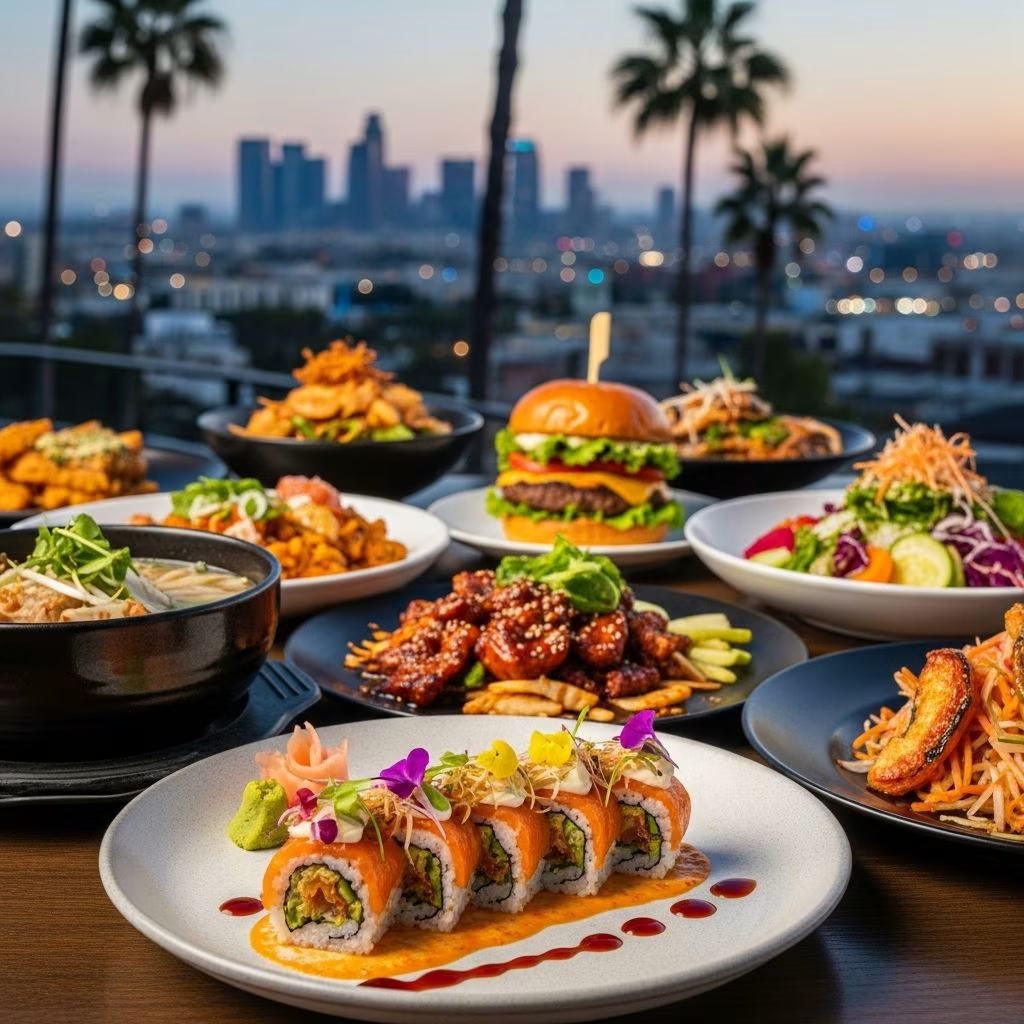
Los Angeles has emerged as one of North America’s most exciting culinary destinations, where tradition meets innovation across countless neighborhoods and dining formats. The city’s food scene reflects its diverse population and global influences, creating an environment where you can experience authentic street tacos minutes away from Michelin-starred establishments. This guide explores the multifaceted dining culture that makes LA a paradise for food enthusiasts, from casual late-night eats to refined dining experiences.
The Late-Night Taco Renaissance
One of Los Angeles’s defining culinary characteristics is its exceptional late-night street taco culture. The city hosts numerous food trucks and taquerias that operate well past midnight, catering to both night owls and those seeking casual, affordable meals after evening events.
Mobile taco vendors operate efficiently from permanent locations and mobile trucks, serving quality proteins at accessible price points. These establishments typically feature customizable protein selections ranging from traditional chicken and carnitas to premium cuts like filet mignon. What distinguishes LA’s taco scene is the emphasis on customer participation—most venues maintain self-service salsa and topping bars where diners can personalize their orders with fresh onions, cilantro, pickles, and various salsa options.
The standard taco experience in LA includes complementary or low-cost sides such as Mexican rice and beans, which round out an economical meal. Portions are generous, and the quality-to-price ratio represents exceptional value compared to other major metropolitan areas. These establishments operate in a communal atmosphere where standing-room-only seating and parking lot dining create an authentic social experience.
Neighborhood Mexican Dining Traditions
Beyond street-level tacos, LA’s established Mexican restaurants provide comprehensive culinary experiences rooted in regional traditions and family recipes. These neighborhood establishments typically feature extensive menus offering classic enchiladas, combination platters, and regional specialties.
Cozy neighborhood Mexican restaurants serve as gathering places for both longtime residents and visitors, offering the kind of personalized service and menu depth that characterizes family-run establishments. These venues feature thick, comprehensive menus filled with traditional combinations and straightforward approaches to classic dishes. The atmosphere balances casual comfort with genuine hospitality, making them ideal for visitors seeking authentic dining experiences without pretension.
Fusion and Contemporary Approaches to Traditional Cuisine
A significant trend in LA’s food scene involves reinterpreting traditional cuisines through modern techniques and multicultural influences. Progressive restaurants create innovative interpretations of established food traditions, incorporating unexpected flavor combinations and presentation approaches.
Contemporary fusion establishments demonstrate how cultural cuisines evolve within LA’s creative environment. These venues blend authentic preparation methods with unconventional ingredients and techniques, resulting in dishes that honor their origins while exploring new possibilities. Fusion taquerias exemplify this approach by offering non-traditional proteins—including Ahi tuna and vegan interpretations—alongside classic options like asada and carnitas.
The fusion philosophy extends beyond individual dishes to encompass entire dining concepts, where restaurant teams draw inspiration from multiple culinary traditions to create cohesive menus that surprise and satisfy adventurous diners.
Korean Cuisine and Table-Grilled Experiences
Korean dining has become increasingly prominent in Los Angeles, with several establishments specializing in interactive table-grilling experiences and modern interpretations of Korean tavern culture. These restaurants combine premium ingredients with participatory dining formats that transform meals into social events.
Table-grilled Korean barbecue restaurants emphasize premium beef and pork cuts, supplemented by extensive banchan (side dish) selections that provide flavor variety and nutritional balance. The format encourages group dining and conversation, as diners cook proteins to their preferred doneness while enjoying communal eating traditions.
Modern Korean establishments have expanded beyond traditional barbecue formats to include contemporary interpretations of Korean tavern dining, featuring signature dishes like fermented pork sausages, specialty hand rolls, and creative takes on street food classics. These venues cultivate playful, energetic atmospheres that encourage lengthy meals and social interaction.
Elevated Seafood and Coastal Influences
LA’s proximity to the Pacific Ocean influences its seafood culture significantly. Contemporary seafood restaurants draw inspiration from New England traditions while incorporating West Coast ingredients and laid-back dining philosophies.
Modern oyster bars in LA neighborhoods like East Hollywood blend traditional oyster bar culture with casual, approachable atmospheres that welcome walk-in diners. These establishments combine quality seafood sourcing with wine selections that complement coastal flavors, creating dining experiences that feel both sophisticated and relaxed. The flexibility regarding reservations and walk-in service reflects California’s casual dining ethos while maintaining quality standards.
Specialty Sandwiches and Deli Heritage
LA maintains strong traditions in Jewish deli cuisine and specialty sandwich preparation, with establishments serving as community anchors and culinary landmarks. These venues combine classic preparation methods with menu innovations that appeal to contemporary palates.
Classic delicatessens feature extensive pastrami programs, where signature sandwiches become destination items worthy of their own reputations. Premium preparations might include additional protein layers or traditional accompaniments like crispy fried potatoes, elevating casual sandwich dining into memorable culinary events. The best examples balance authenticity with quality ingredients, creating sandwiches that compete favorably with nationally recognized establishments.
Modern bagel operations incorporate contemporary interpretations of Jewish deli traditions, offering classic flavor combinations alongside innovative takes on traditional formats. These establishments serve as gathering places for breakfast and lunch service, combining heritage recipes with current food trends.
Fine Dining and Michelin-Recognized Establishments
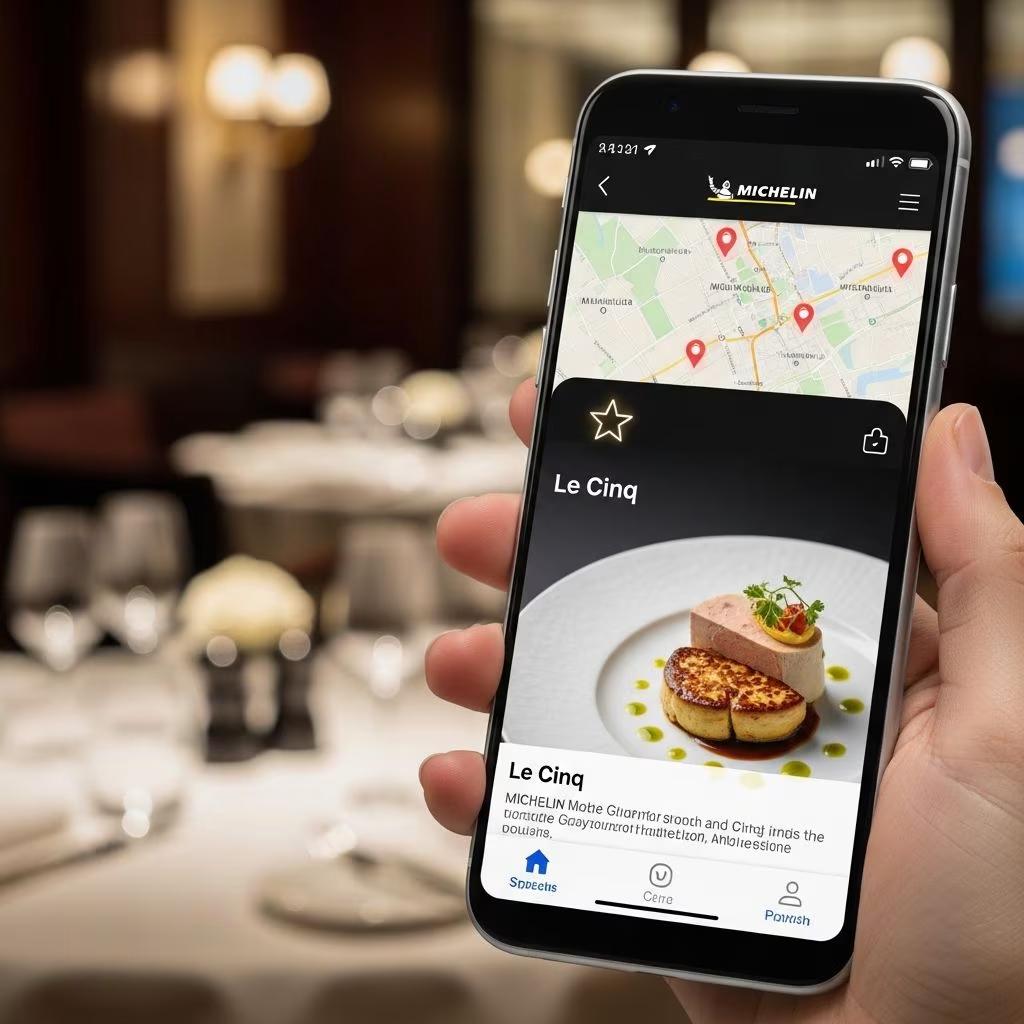
Los Angeles’s fine dining landscape includes Michelin-guide-recognized restaurants representing various culinary philosophies and ingredient approaches. These establishments set standards for technical execution and creative vision within the broader restaurant community.
The presence of Michelin-recognized establishments reflects Los Angeles’s evolution as a serious culinary destination. These restaurants span diverse cuisines and cooking styles, from innovative Asian fusion concepts to refined Italian preparations. Fine dining in LA often emphasizes locally sourced ingredients and chef-driven creativity rather than formal service protocols, reflecting the city’s casual-yet-sophisticated dining culture.
Contemporary Brunch Culture
Weekend brunch has become a significant social institution in Los Angeles, with numerous establishments building their reputations on creative breakfast and lunch concepts. These venues attract both visitors and locals seeking social dining experiences in relaxed settings.
High-profile brunch destinations often don’t accept reservations, reflecting confidence in their appeal and creating anticipation for walk-in diners. Service efficiency becomes paramount in managing high volumes while maintaining quality standards. These establishments typically feature strong wine programs and creative cocktails that complement breakfast foods, creating complete dining experiences rather than casual morning meals.
Neighborhood Dining Diversity by Region
| Region/Neighborhood | Culinary Specialty | Dining Format | Price Range |
|---|---|---|---|
| Downtown LA | Korean BBQ, Fine Dining, Italian | Casual to Upscale | $ to $$$ |
| East Hollywood | Seafood, Mediterranean, Korean | Casual to Mid-Range | $$ to $$$ |
| Various Neighborhoods | Street Tacos, Mexican Regional | Street Food to Casual | $ |
| Central LA | Mediterranean, Middle Eastern | Casual to Fine Dining | $$ to $$$ |
Strategic Restaurant Selection for Visitors
Visitors to Los Angeles should approach dining decisions by considering several factors beyond just cuisine preference. Neighborhood location significantly impacts travel time and overall visit efficiency, as LA’s geography makes proximity important.
The time of visit influences which restaurants best suit your needs. Daytime dining might prioritize brunch venues or casual lunch spots, while evening visits could emphasize more elaborate preparations. Late-night timing opens access to specialized taco venues and casual establishments that maintain extended hours.
Budget considerations should factor in not just entrée prices but total experience value. Some moderate-price establishments offer better value and memorable experiences than expensive alternatives, while certain splurges justify their cost through exceptional execution or unique concepts.
Dining Atmosphere and Social Context
Los Angeles restaurants serve various social functions beyond simple food consumption. Some venues function as gathering spaces where the social experience equals the culinary experience, while others prioritize focused dining and quality attention.
Interactive dining formats like table-grilled Korean barbecue or self-serve taco bar customization transform meals into participatory experiences. These settings encourage group dining and conversation, making them ideal for social gatherings and celebrations.
Conversely, fine dining and specialty establishments may emphasize focused dining experiences where the chef’s vision takes precedence, creating environments suited for business meals or significant celebrations.
Seasonal Considerations and Menu Evolution
LA’s consistent climate means seasonal dining variations differ from traditional four-season markets. However, restaurants still incorporate seasonal ingredients and adjust offerings throughout the year based on ingredient availability and culinary inspiration.
Spring and summer seasons see increased emphasis on fresh, light preparations and outdoor dining, while cooler months bring richer dishes and comforting preparations. Visitor timing can influence which seasonal preparations they encounter, affecting their dining experiences significantly.
Frequently Asked Questions
What are the best late-night dining options in Los Angeles?
Los Angeles excels in late-night taco offerings, with numerous food trucks and taquerias operating past midnight. These establishments provide quality, affordable meals with customizable toppings and self-serve salsa bars. Premium tacos, rice, and beans typically cost under $20 per person.
Which neighborhoods have the most diverse restaurant scenes?
Downtown LA, East Hollywood, and various central neighborhoods showcase exceptional culinary diversity. Downtown features Korean barbecue and fine dining, East Hollywood combines seafood with Mediterranean influences, while central areas offer specialized ethnic cuisines and innovative fusion concepts.
How do I find authentic versus tourist-oriented restaurants?
Authentic establishments typically feature lines during peak hours, casual atmospheres prioritizing food over decoration, and menus in multiple languages. Neighborhood locations and word-of-mouth recommendations from locals generally indicate genuine culinary merit over marketing appeal.
What reservation policies should I expect at popular LA restaurants?
Top restaurants exhibit varied policies—some take reservations and require advance planning, while others operate first-come, first-served, creating wait times during peak hours. Upscale establishments typically require reservations, while casual venues rarely accept them.
Are dining price ranges consistent across Los Angeles?
Significant price variation exists across neighborhoods and cuisine types. Street tacos cost $2-4 per item, casual neighborhood restaurants range $15-30 per person, while fine dining establishments exceed $100 per person. Downtown and popular tourist areas typically charge premium prices compared to residential neighborhoods.
Planning Your LA Culinary Journey
Approaching Los Angeles dining strategically involves research, timing, and willingness to explore beyond high-profile establishments. Local recommendations often outperform published guides for discovering authentic experiences and hidden gems.
Consider dedicating dining exploration to specific neighborhoods rather than chasing individual restaurants across the sprawling city. This approach maximizes time efficiency while allowing deeper engagement with each area’s culinary character.
Balance planned reservations at higher-profile venues with spontaneous discoveries at neighborhood establishments. The combination creates comprehensive experiences that capture both LA’s culinary sophistication and its casual, welcoming food culture.
References
- Los Angeles Must Try Foods Recommended By Locals — Tiffy Cooks. Accessed 2026-04-22. https://tiffycooks.com/los-angeles-must-try-foods-recommended-by-locals/
- 11 NEW Los Angeles Must Eat Restaurants — Jeremy Jacobowitz. Accessed 2026-04-22. https://jeremyjacobowitz.substack.com/p/11-new-los-angeles-must-eat-restaurants
- THE 10 BEST Restaurants in Los Angeles — TripAdvisor. Updated 2026-04. https://www.tripadvisor.com/Restaurants-g32655-Los_Angeles_California.html
- 9 Best Places to Eat in LA for the Serious Foodie — My Suitcase Journeys. Accessed 2026-04-22. https://www.mysuitcasejourneys.com/best-places-to-eat-in-la/
- Los Angeles MICHELIN Restaurants — The MICHELIN Guide. Accessed 2026-04-22. https://guide.michelin.com/us/en/california/us-los-angeles/restaurants
On This Page
The Late-Night Taco Renaissance Neighborhood Mexican Dining Traditions Fusion and Contemporary Approaches to Traditional Cuisine Korean Cuisine and Table-Grilled Experiences Elevated Seafood and Coastal Influences Specialty Sandwiches and Deli Heritage Fine Dining and Michelin-Recognized Establishments Contemporary Brunch Culture Neighborhood Dining Diversity by Region Strategic Restaurant Selection for Visitors Dining Atmosphere and Social Context Seasonal Considerations and Menu Evolution Frequently Asked Questions Planning Your LA Culinary Journey← Previous
Best Museums in Copenhagen: Art, Design & Viking History
Next →
Best Pride Events in the US for 2026
Related Reading
More in Food & Culture
Food & Culture Food & Culture
 Food & Culture
Best Places to Eat in Rome: Neighborhood Dining Guide
 Food & Culture
 Food & Culture