

 Travel Essentials
 Travel Essentials

Explore Music City's legendary venues, diverse neighborhoods, world-class dining, and cultural attractions that make Nashville a premier American destination.
 Travel Essentials
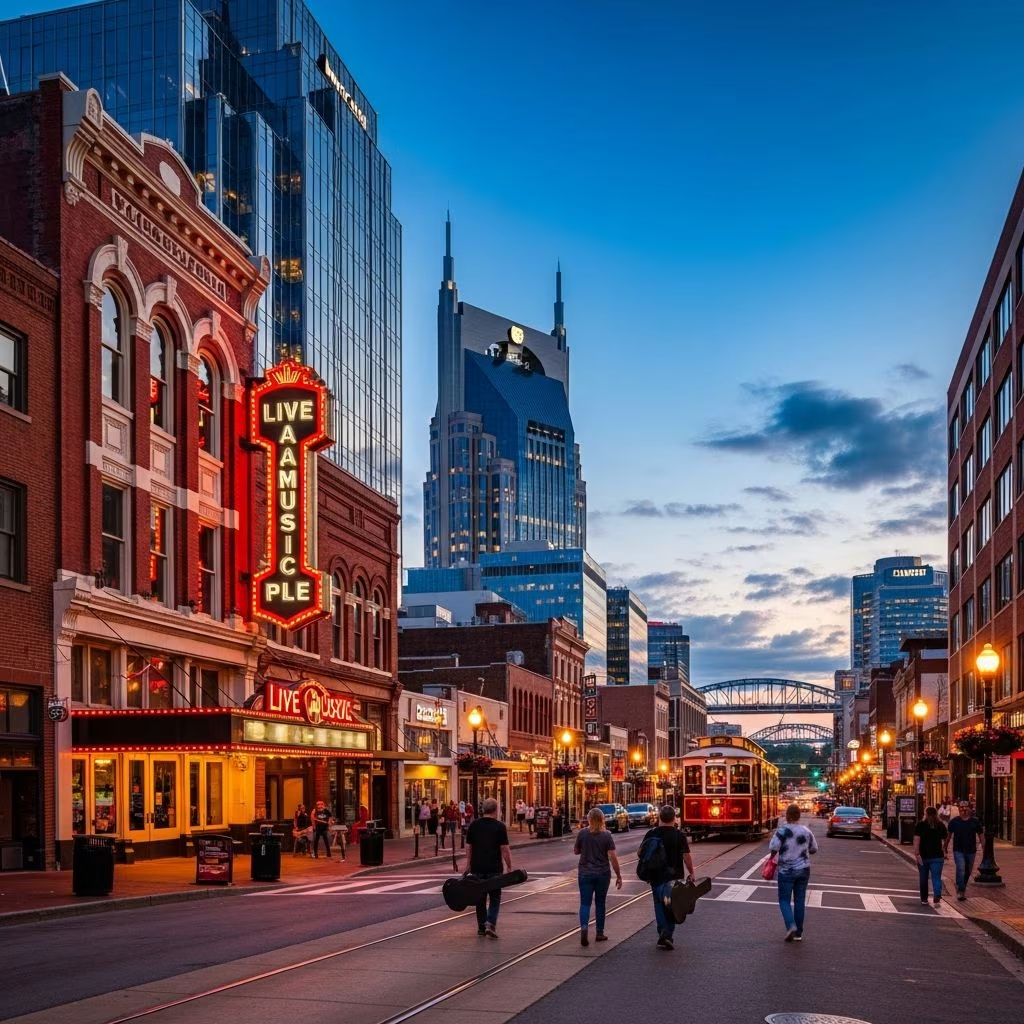
Nashville has transformed from a one-note destination known solely for country music into a sophisticated urban center that attracts millions of visitors annually. The city’s evolution reflects broader cultural shifts, as emerging genres, world-class dining establishments, and cutting-edge arts venues have joined traditional honky-tonks and historic performance spaces. Whether you’re a music enthusiast, foodie, art lover, or cultural explorer, Nashville offers layered experiences that extend far beyond its musical heritage.
The city’s identity remains inseparable from music, though the contemporary scene encompasses far more diversity than its country music reputation suggests. Lower Broadway operates as the epicenter of traditional live performance, where multiple venues stack vertically to create an immersive sonic experience. These establishments typically open mid-morning, allowing visitors to experience live performances alongside meals and beverages throughout the day. Independent songwriters, emerging artists, and established performers share stages, creating an accessible entry point for understanding Nashville’s creative ecosystem.
Beyond Broadway’s commercial venues, intimate performance spaces scattered throughout the city showcase genres ranging from Americana to indie rock to folk. The creative community’s concentration in Nashville attracts musicians at various career stages, resulting in an authentic, continuously evolving music landscape that reflects current artistic trends rather than historical preservation alone.
Nashville’s major attractions tell the story of American popular music while offering engaging experiences for diverse visitor interests:
Nashville’s distinct neighborhoods offer different ambiances and experiences, allowing visitors to customize their exploration based on personal preferences:
Located northwest of downtown, Germantown preserves Victorian-era architecture while supporting contemporary restaurants, bars, and shops. This neighborhood balances historical authenticity with modern amenities, providing visitors seeking alternative experiences to Lower Broadway’s concentrated entertainment district. The brick homes, tree-lined streets, and neighborhood character create walkable environments where visitors encounter local residents alongside tourists. Germantown’s proximity to Bicentennial Capitol Mall State Park, the Tennessee State Museum, and farmers markets adds cultural depth to neighborhood exploration.
This expansive park features a full-scale replica of the ancient Greek Parthenon, creating an unusual Nashville landmark. Beyond the architectural novelty, the park provides open spaces for recreation, relaxation, and photography. Musicians Corner, hosted on Saturday afternoons during moderate weather seasons, showcases independent singer-songwriters performing original material, providing authentic exposure to Nashville’s contemporary creative community.
Nashville’s downtown core continues expanding beyond traditional entertainment districts. Mixed-use developments combine shopping, dining, and cultural venues, creating environments where visitors discover unexpected experiences. Historic sites like the State Capitol demonstrate architectural significance and offer free public access, allowing cultural exploration without admission costs.
Nashville’s food scene extends beyond stereotypical regional fare, incorporating global influences while celebrating authentic local traditions. Hot chicken—fried poultry prepared with capsaicin-based heat levels—represents Nashville’s most iconic culinary contribution. Numerous establishments prepare variations, from casual quick-service formats to upscale presentations. Discovering these venues, whether prominent locations or tucked-away spots within food halls, becomes part of the Nashville experience.
Brunch culture flourishes throughout the city, reflecting Southern dining traditions adapted to contemporary preferences. Restaurants across neighborhoods offer creative interpretations of breakfast and lunch items, often incorporating local ingredients and preparation methods. The emphasis on breakfast service contradicts assumptions that Nashville dining follows typical restaurant hours, with many establishments opening early to accommodate visitors seeking morning meals.
Food trucks scattered throughout the city provide casual dining alternatives, offering authentic local cuisine at accessible price points. These mobile vendors evolve Nashville’s food landscape, introducing cuisines and preparations that reflect the city’s changing demographic composition. Visitors exploring neighborhoods on foot frequently discover these informal dining options, creating memorable gastronomic experiences.
Navigating Nashville requires strategic planning, particularly regarding downtown transportation. Avoiding rush hour automobile traffic improves travel efficiency, with public transit and rideshare services offering practical alternatives. The downtown core remains largely walkable, making pedestrian exploration feasible for visitors concentrating activities within specific neighborhoods. However, visiting multiple neighborhoods or attractions located on the periphery necessitates transportation planning.
Nashville experiences peak visitation during specific seasons and around music festivals or special events. Planning ahead and making advance reservations maximize experiences during high-demand periods, ensuring access to popular venues and restaurants. Moderate seasons offer advantages for outdoor activities while reducing crowds compared to peak visitation periods.
Downtown hotel placements position visitors within walking distance of major attractions and entertainment venues, though prices reflect location premiums. Strategic accommodation selection balances cost considerations with location accessibility, influencing overall travel experience quality. Researching neighborhoods and venue proximity helps visitors select properties aligned with their planned activities.
Nashville accommodates visitors traveling with children through diverse attractions and activities spanning multiple interest categories:
Nashville’s retail environment encompasses traditional shopping districts alongside specialized boutiques. Hatch Show Print, an operating museum and historic letterpress shop, combines shopping with cultural education. L&L Market functions as contemporary shopping and dining destination appealing to style-conscious visitors. Germantown’s boutique concentration provides alternative shopping experiences contrasting with downtown commercial establishments.
Moderate seasons (spring and fall) provide optimal weather for outdoor activities while offering better crowd management than peak summer visitation. Specific trip timing should consider planned activity preferences and desired crowd levels.
Three to four days allows comprehensive experience of major attractions, neighborhoods, and dining establishments. Longer stays enable deeper neighborhood exploration and attendance at multiple performance venues.
Comfortable walking shoes constitute essential packing given Nashville’s walkable neighborhoods and pedestrian-focused attractions. Weather-appropriate clothing matching seasonal conditions ensures comfort during outdoor exploration. While cowboy boots represent Nashville cultural symbolism, practical footwear prioritization supersedes fashion considerations for most visitors.
Pre-gaming before evening outings reduces bar expenditures, as downtown venue drink pricing reflects tourism district premiums. Exploring food trucks and casual establishments offers budget-friendly alternatives to sit-down restaurants. Strategic dining choices balance cost management with culinary experience priorities.
Tennessee State Museum, State Capitol tours, and public park access provide cultural experiences without admission costs. Street performances and outdoor venues offer entertainment accessible without commercial venue admission fees.
Beyond standard tourist recommendations, strategic planning enhances Nashville experiences. Tipping musicians performing in venues acknowledges their artistry and supports Nashville’s creative economy. Exploring side streets and less-trafficked areas like Printer’s Alley reveals hidden gems bypassed by guidebook-following crowds. Balancing iconic attractions with neighborhood discovery creates more authentic travel experiences than itineraries focused exclusively on major tourist sites.
Checking local event calendars before arrival enables attendance at concerts, festivals, or performances aligning with personal interests. Many venues offer free live performances during specific hours, providing entertainment access without admission costs. Researching music genres represented across venues allows visitors to prioritize performances matching their musical preferences.
Nashville’s evolution from single-identity destination to multifaceted cultural hub reflects American cities’ capacity for reinvention while honoring heritage. Visitors encounter sophisticated dining, world-class arts institutions, and diverse entertainment alongside country music honky-tonks and historic performance venues. The city accommodates varied travel styles, from budget-conscious explorers utilizing public transportation and casual dining to luxury travelers prioritizing premium accommodations and fine dining establishments. Nashville rewards thoughtful itinerary planning that balances iconic attractions with neighborhood discovery, commercial venues with local experiences, and predetermined activities with spontaneous exploration. Whether first-time visitors or returning travelers, contemporary Nashville offers continuously evolving experiences reflecting the city’s dynamic cultural landscape.
