


 Food & Culture
Food & Culture
Umbrian and Tuscan Food Culture: A Guide to Central Italy
Explore the culinary treasures of Umbria and Tuscany through cooking classes, wine tastings, and traditional regional cuisine in Italy's most authentic destinations.
 Food & Culture
Introduction to Central Italy’s Food Heritage
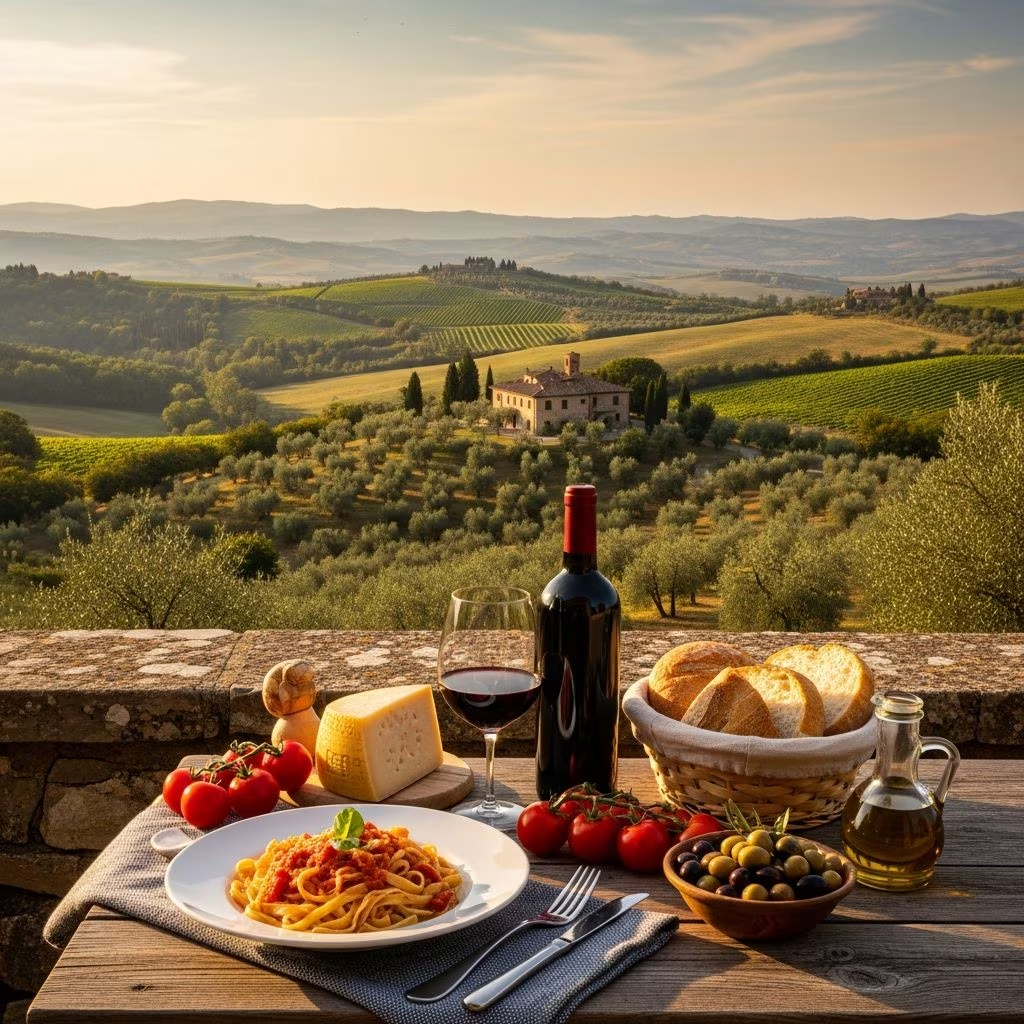
The rolling hills and medieval villages of central Italy represent more than just picturesque scenery—they embody centuries of culinary tradition rooted in simplicity, quality ingredients, and time-honored preparation methods. Umbria and Tuscany, two adjoining regions that form the heart of the Italian peninsula, have cultivated distinctive food cultures that reflect their geography, history, and agricultural traditions. Unlike regions that emphasize elaborate techniques or exotic ingredients, the cuisines of these areas prioritize the authentic expression of locally-sourced, seasonal produce combined with masterful yet unpretentious cooking methods. For travelers seeking genuine engagement with Italian food culture beyond restaurant settings, these regions offer unparalleled opportunities to participate directly in the culinary traditions that define their communities.
Understanding the Foundation of Central Italian Cooking Philosophy
The cooking traditions throughout Umbria and Tuscany emerge from cucina contadina, or farmer’s kitchen—a philosophy that developed when resourcefulness and maximizing available ingredients were essential practices rather than trendy concepts. This foundational approach explains why the region’s most celebrated dishes feature straightforward preparations that allow premium ingredients to shine. The genius of these culinary traditions lies in understanding that exceptional ingredients require minimal intervention to create memorable meals.
The landscape itself shapes what appears on dinner tables. Umbria, known as the green heart of Italy, benefits from its position as the only Italian region without coastal access, which has created a distinctive cuisine emphasizing inland resources—grains, legumes, cured pork products, and freshwater fish from Lake Trasimeno. Tuscany, meanwhile, has built its food identity around wine production, olive cultivation, and pastoral traditions that continue to influence modern dining practices.
Key Ingredients That Define the Region’s Culinary Identity
Several cornerstone ingredients appear repeatedly across Umbrian and Tuscan menus, creating a cohesive flavor profile that defines the region:
- Extra Virgin Olive Oil: Both regions produce oils considered among the world’s finest, particularly from areas around Lucca in Tuscany. The oil serves not merely as a cooking medium but as a finishing element that enhances dishes with its distinctive character.
- Black Truffles: Umbria’s forests yield prized black truffles that elevate pasta dishes, crostini, and egg preparations to memorable status.
- Cured Pork Products: Salami, prosciutto, and specialized preparations like porchetta showcase the region’s pork-centric meat traditions.
- Legumes: Lentils, particularly the celebrated Lenticchie di Castelluccio, feature prominently in soups and stews.
- Grains: Farro and other heritage grains create hearty soups and provide nutritional foundation for traditional meals.
- Wine and Vinegar: Wine functions as both cooking ingredient and beverage, with local wines selected specifically for pairing with regional dishes.
Signature Umbrian Specialties and Traditional Preparations
Umbrian cuisine presents particular distinctiveness through dishes developed specifically within this region’s boundaries and traditions.
Handmade Pasta and Truffle-Infused Preparations
Strangozzi, the region’s signature handmade pasta, represents the Umbrian approach to simplicity—flour, semolina, oil, and water combined into tender fettuccine-like ribbons. This pasta typically appears dressed with local black truffles, spicy tomato sauce, or ragù D’Angelo, a lamb-based sauce from the Norcia area. Pasta alla Norcina, another regional specialty, features pork sausage in cream sauce with white wine and Pecorino cheese, occasionally topped with black truffles for special occasions.
Bread-Based Specialties and Antipasti
Torta al testo, an unleavened flatbread cooked in cast-iron pans, serves multiple roles in Umbrian dining—it appears as an antipasto with cured meats and cheeses, accompanies soups and stews, and provides the vehicle for porchetta sandwiches. Crostini al Tartufo showcases the region’s black truffles through toasted bread topped with truffle paste, anchovies, and local olive oil, creating an umami-driven starter.
Soups, Stews, and Hearty Main Courses
Imbrecciata represents authentic Umbrian comfort food—a substantial autumn soup combining lentils, corn, beans, and chickpeas topped with croutons and excellent olive oil. Tegamaccio, a freshwater fish stew incorporating lake perch, eel, carp, or pike with red cannara onions, garlic, tomatoes, and white wine, demonstrates how inland regions transform available resources into sophisticated dishes. Impastoiata, featuring creamy polenta enriched with stewed beans rather than meat, reflects the region’s resourceful cooking heritage.
The Iconic Porchetta
While porchetta has become iconic throughout Italy, it originated in Umbria as a complete whole-pig preparation. The entire gutted pig is stuffed with offal seasoned with salt, pepper, garlic, and fennel before slow-roasting on a spit until the exterior reaches perfect crispness and interior tenderness. This labor-intensive preparation represents the region’s commitment to utilizing every component of sourced ingredients.
Tuscan Contributions to Central Italian Gastronomy
While sharing fundamental philosophies with Umbria, Tuscany has developed distinctive approaches that merit separate consideration.
Wine-Centric Food Culture
Tuscany’s relationship with food extends inextricably through wine appreciation. Locals spend considerable time discussing food and wine pairings, treating these conversations as essential cultural participation rather than casual commentary. The Val d’Orcia region, designated as a UNESCO World Heritage Site, exemplifies this integration—wine estate tours conclude with carefully paired lunches prepared by winery chefs who understand their region’s specific terroir and vintage characteristics.
Grilled Meats and Simple Preparations
Tuscan kitchens showcase their mastery through seemingly simple preparations that demand exceptional ingredients and technique. Game or free-range domestic animal meats grilled over wood coals, beans simmered in earthenware pots, and egg pasta in hare sauce represent the region’s greatest culinary achievements—all built on the foundation that pure, strong flavors combined with fresh ingredients eliminate the need for elaborate sauces.
Regional Meat and Game Traditions
Tuscan tables feature distinctive meat preparations reflecting local hunting and pastoral traditions. Agnello (lamb), brasciola (loin pork chop), and branzino (sea bass) appear frequently, while bresaola—air-dried thinly sliced beef fillet dressed simply with olive oil, lemon, and pepper—demonstrates the region’s commitment to ingredient-forward cuisine.
Experiential Food Activities for Culinary Travelers
Beyond dining in restaurants, both regions provide hands-on opportunities to engage directly with food production and preparation traditions.
Farm-Based Cooking Classes
Travelers can experience cooking education in 16th-century farmhouse settings where chefs guide participants through entire processes—from exploring herb gardens to observing cheese-making operations before hands-on cooking lessons and countryside dining. These intimate experiences connect food preparation directly to the agricultural landscape, providing context that restaurant meals cannot replicate.
Chocolate Production Experiences
The Perugina Chocolate Factory in Umbria welcomes visitors to tour production facilities observing chocolate manufacturing in progress, followed by tastings of various products and visits to traditional food shops where local experts share regional culinary knowledge and allow sampling of authentic products.
Wine Estate Immersion
Beyond simple tastings, comprehensive winery experiences include family estate tours where visitors understand wine production philosophies, followed by meals prepared by estate chefs utilizing their own wines for pairing, concluded by relaxation at restored historic properties.
Truffle Hunting and Preparation
Travelers can participate in truffle-hunting experiences with trained dogs, learning to identify black truffles in their natural habitat before preparing them in traditional preparations. The simple presentation of truffles shaved over scrambled eggs and bread represents the ultimate expression of truffle appreciation—no additional preparation needed to demonstrate the ingredient’s quality.
Seasonal Specialties and Timing Considerations
Understanding seasonal availability enhances culinary travel planning. Summer months bring strawberry variations on classic desserts—strawberry tiramisu represents one surprising summer specialty that challenges conventional assumptions about traditional Italian sweets. Autumn triggers imbrecciata preparation when new crop legumes and corn reach peak freshness. Winter favors impastoiata and other polenta-based dishes that provide warmth and sustenance during colder months.
Beyond Main Courses: Desserts and Sweet Traditions
Umbrian sweets carry their own regional significance. Ciaramicola, a sweetheart cake, and tozzetti, almond biscotti designed for dunking in wine or coffee, represent traditional finale preparations. Regional chocolate specialties, particularly Baci chocolates from Perugina, provide accessible souvenirs that capture local candy-making heritage.
Planning Your Central Italian Culinary Itinerary
Structured itineraries typically allow 10-14 days to adequately experience both regions’ culinary offerings while visiting significant cultural landmarks. A typical journey might include Rome’s classical sites before progressing to Spoleto for hands-on cooking experiences in historic farmhouse settings, continuing through Val d’Orcia’s UNESCO-protected landscape for wine estate immersion, and concluding with chocolate factory visits and traditional food shop experiences in Umbrian towns.
Practical Considerations for Food-Focused Travel
Several factors enhance culinary travel success in these regions:
- Book cooking classes and wine estate tours in advance, as popular experiences often reach capacity, particularly during peak summer seasons
- Develop basic Italian language familiarity, particularly food-related vocabulary, to more fully engage with local food vendors and farmers
- Allocate flexible dining time for spontaneous discoveries rather than rigidly scheduling every meal, as some exceptional food experiences arise through local recommendations
- Consider dietary restrictions or preferences in advance, as some traditional dishes center on specific ingredients that may present challenges
- Pack appropriately for varied terrain, including comfortable walking shoes for village exploration and farm visits
The Enduring Appeal of Umbrian and Tuscan Food Culture
The culinary traditions of central Italy persist not through marketing efforts or restaurant innovation, but through genuine community commitment to preserving and practicing time-honored methods. Travelers who engage with these traditions—whether through farm visits, cooking classes, or extended conversations with local food vendors—develop understanding that transcends typical tourist experiences. The philosophy that straightforward preparations of exceptional ingredients create memorable meals offers lessons extending far beyond these specific regions, inspiring more thoughtful approaches to food and ingredient selection upon returning home.
References
- The Regional Cuisine of Umbria — Doorways Villa Vacations. Accessed April 2026. https://www.villavacations.com/travel-guide/regional-cuisine-umbria
- Food & Drink in Tuscany and Umbria — Frommers. Accessed April 2026. https://www.frommers.com/destinations/tuscany-and-umbria/in-depth/food–drink/
- 11-Day Italy Travel Itinerary: Rome, Umbria, and Tuscany — AFAR. Accessed April 2026. https://www.afar.com/journeys/buon-appetito-in-the-umbrian-and-tuscan-countryside
- Umbrian Cuisine Essentials: Must-Try Dishes Revealed — Cellar Tours. Accessed April 2026. https://www.cellartours.com/blog/italy/umbrian-cuisine
- Jimmy on Food & Wine: Flavors of Tuscany & Umbria — Go Ahead Tours. Accessed April 2026. https://www.goaheadtours.com/travel-blog/articles/jimmy-on-food-wine-flavors-of-tuscany-umbria
- Food & Travel Guide to Umbria, Italy – What to See, Eat & Do — Eat Look Travel Book. December 24, 2022. https://eatlooktravelbook.com/2022/12/24/food-travel-guide-to-umbria-italy-what-to-see-eat-do/
- Italian Vineyards, Cuisine & Culture Trip: Tuscany, Umbria & Piedmont — KimKim. Accessed April 2026. https://www.kimkim.com/c/italian-vineyards-cuisine-culture-trip-14-days
On This Page
Introduction to Central Italy's Food Heritage Understanding the Foundation of Central Italian Cooking Philosophy Key Ingredients That Define the Region's Culinary Identity Signature Umbrian Specialties and Traditional Preparations Tuscan Contributions to Central Italian Gastronomy Experiential Food Activities for Culinary Travelers Seasonal Specialties and Timing Considerations Beyond Main Courses: Desserts and Sweet Traditions Planning Your Central Italian Culinary Itinerary Practical Considerations for Food-Focused Travel The Enduring Appeal of Umbrian and Tuscan Food Culture← Previous
6-Day Abu Dhabi Itinerary: Culture, Icons & Adventure
Next →
12-Day Luxury Abu Dhabi and Dubai Itinerary
Related Reading
More in Food & Culture
Food & Culture Food & Culture
 Food & Culture
Best Places to Eat in Rome: Neighborhood Dining Guide
 Food & Culture
 Food & Culture