


 Food & Culture
Food & Culture
Umbrian Food and Wine Guide: Best Local Dishes, Wines & Experiences
Explore Umbria's rich gastronomic heritage featuring truffles, cured meats, exceptional wines, and traditional dishes rooted in the region's agricultural bounty.
 Food & Culture
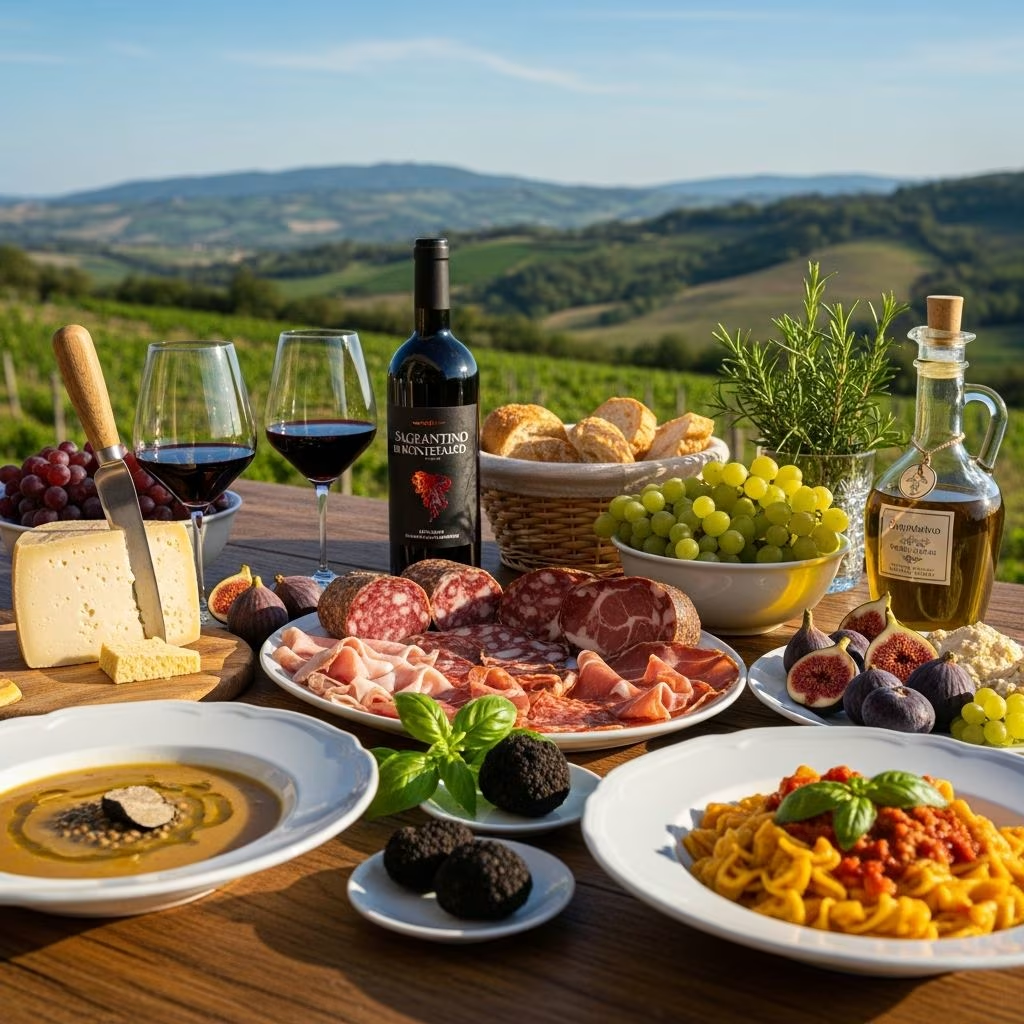
Nestled in the heart of Italy, Umbria represents one of the country’s most compelling destinations for food and wine enthusiasts. Unlike its more famous neighbors, this verdant region maintains an unpretentious approach to gastronomy, where dishes remain rooted in agricultural traditions and local ingredients rather than elaborate presentation. The landscape itself tells the story of Umbrian cuisine—rolling hills dotted with olive groves, forests teeming with game, and vineyards producing some of Italy’s most distinctive wines.
The Foundation: Understanding Umbrian Ingredients
The backbone of Umbrian cooking rests upon remarkably pure and local components. Rather than seeking international ingredients, regional chefs prioritize what the land provides naturally. This philosophy creates an authentic dining experience that sets Umbrian tables apart from tourist-oriented establishments across Italy.
The region’s agricultural diversity creates an extraordinary pantry. Legumes and grains form essential components of traditional cooking, with lentils from Castelluccio standing as particularly prized commodities. These legumes possess exceptional tenderness and flavor profile, requiring no preliminary soaking before preparation. Farro, an ancient grain variety, appears in rustic soups that warm diners during cooler months.
Olive cultivation flourishes throughout the region, producing oils that range from delicate to robustly flavored depending on harvest timing and processing methods. The Museum of Olive and Oil near Todi documents this agricultural heritage while celebrating the importance of liquid gold to regional identity.
Meat and Game: The Hunter’s Tradition
Umbrian meat culture extends far beyond common domesticated animals. The region’s substantial forests support populations of wild boar, roe deer, and various game birds that have historically sustained communities and continue featuring prominently on contemporary menus. Autumn months bring particular excitement to local restaurants, as hunting seasons open and menus transform to showcase these seasonal proteins.
Cured meats represent Umbria’s most celebrated contribution to Italian salumi traditions. Skilled artisans throughout the region transform pork into products recognized nationally for their distinctive character:
- Salsiccia—A flavorful sausage traditionally seasoned with fennel or garlic, aged to achieve optimal texture and taste complexity
- Prosciutto di Norcia—Distinguished from northern Italian counterparts through different aging and curing techniques, resulting in darker meat with pronounced savory notes and always hand-cut for service
- Capocollo—Often consumed at breakfast alongside robust red wines, this cured shoulder meat carries distinctive flavor intensity
- Porchetta—Whole roasted pig seasoned with aromatics, representing both a regional specialty and culinary icon
Beyond individual cuts, grigliata mista demonstrates Umbria’s masterful approach to grilled meats. Nearly every trattoria, osteria, and ristorante maintains dedicated fire pits, allowing kitchen teams to perfect their grilling techniques across decades. These establishments create varied combinations featuring sausages, ribs, beef sirloin, lamb chops, pork neck steak, and bacon—all seasoned with garlic, rosemary, sage, and local olive oil. Designed for sharing, these platters epitomize Umbrian dining culture’s communal spirit.
Cheeses: The Pastoral Legacy
Umbria’s hilly terrain shapes its cheese-making traditions distinctly. Unlike regions with extensive cattle herds, these landscapes favor sheep grazing, resulting in a pronounced emphasis on ovine milk cheeses.
Pecorino di Norcia claims status as the region’s most renowned cheese—a firm, hard variety with sharp and spicy characteristics that intensify with aging. Ricotta salata, another local specialty, offers contrasting texture and subtle flavors. Contemporary artisans incorporate truffles into various cheese preparations, creating products that marry earthiness with creamy dairy foundations, producing distinctly flavorful combinations.
The Truffle Mystique
Few ingredients carry the mystique and culinary significance of truffles in Umbrian cooking. These subterranean fungi transform simple dishes into extraordinary experiences while commanding premium prices that reflect their scarcity and labor-intensive harvesting methods.
Truffle hunting represents more than ingredient acquisition—it constitutes an authentic cultural experience. Specialized guides lead visitors through forest terrain with trained dogs, demonstrating traditional techniques passed through generations. Following successful hunts, tastings allow participants to sample truffles in various preparations, understanding their versatility and flavor complexity.
Spaghetti alla Norcina showcases truffle integration at its finest, combining black truffle, sausage, and cream into a deceptively simple yet profoundly satisfying composition. Restaurants throughout Norcia, the region’s gastronomic epicenter, feature similar creations that celebrate this precious ingredient.
Signature Dishes: Culinary Expressions
Certain preparations have achieved iconic status within Umbrian cuisine, each telling stories of regional agricultural resources and cooking traditions:
- Tagliatelle with Chicken Entrails—Fresh pasta ribbons dressed with richly flavored offal, demonstrating nose-to-tail cooking principles
- Rabbit alla Cacciatora—Game meat prepared in the hunter’s style with tomatoes and herbs, reflecting seasonal hunting traditions
- Torta al Testo—Stone-baked focaccia filled with wild herbs, representing portable food traditions from agricultural communities
- Pan Nociatio—Bread specialty incorporating pecorino cheese, walnuts, and pine nuts, offering savory-sweet complexity
- Lentil Soup from Castelluccio—Humble yet sophisticated preparation highlighting the region’s most prized legume
- Wild Boar Ragù—Long-simmered sauce showcasing game meat over fresh pasta, particularly prevalent during autumn months
- Tegamaccio—Fresh-water fish stew from Lake Trasimeno’s shores, representing aquatic culinary traditions
Dessert traditions include Ciaramicola, a distinctive sweetheart cake, and Tozzetti, almond biscotti designed for dunking in wine or coffee.
Vineyard Heritage: Understanding Umbrian Wines
Umbrian wine production encompasses remarkable diversity despite the region’s modest geographic size. Rather than producing wines that attempt to compete with famous Tuscan or Piedmontese counterparts, Umbrian vintners focus on distinctive expressions of regional terroir and unique grape varieties.
The primary wine districts organize geographically, each developing distinct reputations and specializations:
| Wine Region | Primary Varieties | Notable Wines | Characteristics |
|---|---|---|---|
| Orvieto | Trebbiano, Grechetto | Orvieto DOC | Crisp white wines with citrus and mineral notes, the region’s most recognized export |
| Montefalco | Sagrantino, Sangiovese | Sagrantino di Montefalco DOCG | Deep red wines with complexity and aging potential, Italy’s most prestigious reds |
| Torgiano | Sangiovese, Canaiolo, Trebbiano | Rubesco Riserva DOCG, Rosso di Torgiano | Well-aged reds with berry notes, excellent meat pairing potential |
White Wines: Crisp and Mineral
Orvieto DOC represents Umbrian white wine excellence, producing crisp, refreshing expressions with citrus, peach, and subtle spice characteristics. These wines function beautifully as aperitivo selections, particularly during summer months, while maintaining versatility with cheese platters and contemporary cuisine.
Grechetto offerings showcase the region’s capacity for producing characterful whites beyond standard international varieties. Recent decades have introduced pinot grigio and chardonnay cultivation, appealing to modern palates while maintaining traditional production ethics.
Red Wines: Complexity and Depth
Sagrantino di Montefalco claims distinction as one of Italy’s most prestigious red wines, produced exclusively within the Montefalco zone. These bold, structured wines develop complexity through aging, requiring patience to reveal their complete character. Tannin structure remains pronounced, making these wines ideal companions for aged cheeses, robust meat preparations, and game dishes.
Rosso di Torgiano, a semi-ruby red blending Sangiovese, Canaiolo, and Trebbiano grapes, demonstrates the region’s sophisticated winemaking approach. The wine’s berry-forward profile and well-developed structure make it particularly suitable for traditional Umbrian meat dishes and aged cheeses.
Rosso di Montefalco DOC offers younger, more approachable expressions compared to its DOCG counterpart, allowing diners to explore Montefalco’s character without extended aging requirements.
Experiential Dining: Where to Taste Authentically
Seeking genuine Umbrian experiences requires deliberate choices within the regional dining landscape. Tourist-oriented establishments often feature pan-Italian menus lacking regional character. Instead, traditional family-run establishments maintain commitment to authentic preparations using seasonal, locally-sourced ingredients.
Traditional osterias and trattorias embody the heart of Umbrian dining culture. These establishments typically feature:
- Menus that change seasonally, reflecting ingredient availability
- Kitchen fires maintaining grilling traditions
- Wine lists emphasizing exclusively regional producers
- Family recipes transmitted through generations
- Unpretentious atmospheres prioritizing substance over ambiance
Premier Wine Experiences
Montefalco wineries offer guided vineyard tours and cellar visits, providing insight into Sagrantino production methods while allowing tastings of varied vintage expressions. Many estates combine wine education with food pairings featuring locally-produced cheeses and cured meats, creating comprehensive sensory experiences.
Lungarotti Winery in Torgiano stands among the region’s most prestigious estates, offering formal tours and professional tastings. The adjacent Wine Museum documents Umbrian winemaking history and cultural significance, contextualizing contemporary production within centuries of tradition.
Truffle hunting expeditions provide memorable alternatives to standard dining experiences. Guided tours into forest terrain with trained dogs demonstrate traditional harvesting techniques, culminating in tastings that showcase truffle versatility across multiple preparations.
Culinary Planning: Navigating Regional Menus
Visiting diners benefit from understanding regional menu conventions and terminology. Rather than ordering familiar Italian classics available throughout the country, strategic menu navigation allows focus on distinctive Umbrian preparations:
Wine pairing strategy: Resist ordering Chianti or Barolo, both associated with other regions, and instead explore Umbrian varieties. Local sommeliers possess expertise regarding optimal pairings with specific dishes, often recommending unexpected combinations that enhance both components.
Seasonal considerations: Game preparations dominate autumn menus, while spring brings asparagus and seasonal vegetables. Summer months highlight chilled preparations and lighter wines, while winter emphasizes hearty soups and preserved ingredients.
Specialty destinations: Norcia represents the undisputed gastronomic capital, renowned for meat and truffle products. Orvieto emphasizes wine culture and white wine pairings. Montefalco focuses on red wine heritage and sophisticated preparations showcasing Sagrantino.
Frequently Asked Questions
What makes Umbrian wine different from Tuscan wine?
While Tuscany emphasizes Brunello and Vino Nobile di Montepulciano, Umbria focuses on distinctive varieties like Sagrantino and maintains significant white wine production. Umbrian wines typically exhibit different terroir characteristics and receive less international marketing attention.
Can visitors participate in truffle hunting?
Yes, specialized outfitters throughout the region organize guided hunting experiences with trained dogs. These typically conclude with tastings allowing participants to sample truffles in various culinary preparations.
Are Umbrian cured meats worth purchasing as souvenirs?
Absolutely. Artisanal producers throughout the region create products recognized nationally. Prosciutto di Norcia and local salsiccia represent portable options that capture regional flavor profiles.
Which wine pairs best with traditional Umbrian meat dishes?
Sagrantino di Montefalco, with its tannic structure and complexity, represents the ideal pairing for grilled meats and aged preparations. For lighter fare, Rosso di Torgiano offers excellent versatility.
Is it necessary to dine at high-end restaurants to experience authentic Umbrian cuisine?
No. Traditional family-run osterias and trattorias often provide more authentic experiences than formal establishments. Focus on venues emphasizing local ingredients and seasonal preparations rather than architectural prestige.
Conclusion: Embracing Regional Culinary Culture
Umbrian food and wine culture invites visitors beyond mere consumption into understanding agricultural traditions, artisanal production methods, and the philosophical approach to cooking that values simplicity, quality ingredients, and community. Whether hunting truffles in autumn forests, tasting wines in historic cellars, or sharing grilled meats in family restaurants, culinary exploration in Umbria creates lasting memories while supporting producers committed to regional authenticity. The green hills and verdant landscapes that characterize the region’s beauty directly translate into the flavors and experiences available to thoughtful travelers willing to venture beyond tourist-oriented establishments.
References
- Food & Wine itinerary in Umbria — Italia.it (Official Italian Tourism Board). 2024. https://www.italia.it/en/umbria/things-to-do/food-and-wine-itinerary-in-umbria
- What to eat in Umbria, a guide to umbrian food and wine — OLIVANDO. 2023. https://olivando.store/what-to-eat-in-umbria-a-guide-to-umbrian-food-and-wine/
- Food and Wine in Umbria: Best Experiences Not to Miss — Umbria Tours. 2024. https://www.umbria.tours/en/food-and-wine-in-umbria-best-experiences-not-to-miss/
- The Regional Cuisine of Umbria — Doorways Villa Vacations. 2025. https://www.villavacations.com/travel-guide/regional-cuisine-umbria
- Your essential food guide to Umbria — Delicious Magazine. 2024. https://www.deliciousmagazine.co.uk/your-essential-food-guide-to-umbria/
- A Simple Guide to Wines of Umbria — Wine Folly. 2025. https://winefolly.com/deep-dive/a-guide-to-umbrian-wine/
On This Page
The Foundation: Understanding Umbrian Ingredients Meat and Game: The Hunter's Tradition Cheeses: The Pastoral Legacy The Truffle Mystique Signature Dishes: Culinary Expressions Vineyard Heritage: Understanding Umbrian Wines Experiential Dining: Where to Taste Authentically Culinary Planning: Navigating Regional Menus Frequently Asked Questions Conclusion: Embracing Regional Culinary Culture← Previous
Kenya Family Safari Guide: Best Trips, Lodges & Kids’ Activities
Next →
Prague in Winter: Top Things to Do, Markets, Skating & Cozy Spots
Related Reading
More in Food & Culture
Food & Culture Food & Culture
 Food & Culture
Best Places to Eat in Rome: Neighborhood Dining Guide
 Food & Culture
 Food & Culture