


 Food & Culture
Food & Culture
Underrated Wine Regions in Spain to Visit
Explore underrated Spanish wine regions like Empordà, Alella, Vinos de Madrid, Penedès, and Utiel-Requena, packed with native varietals and off-the-beaten-path vineyards.
 Food & Culture
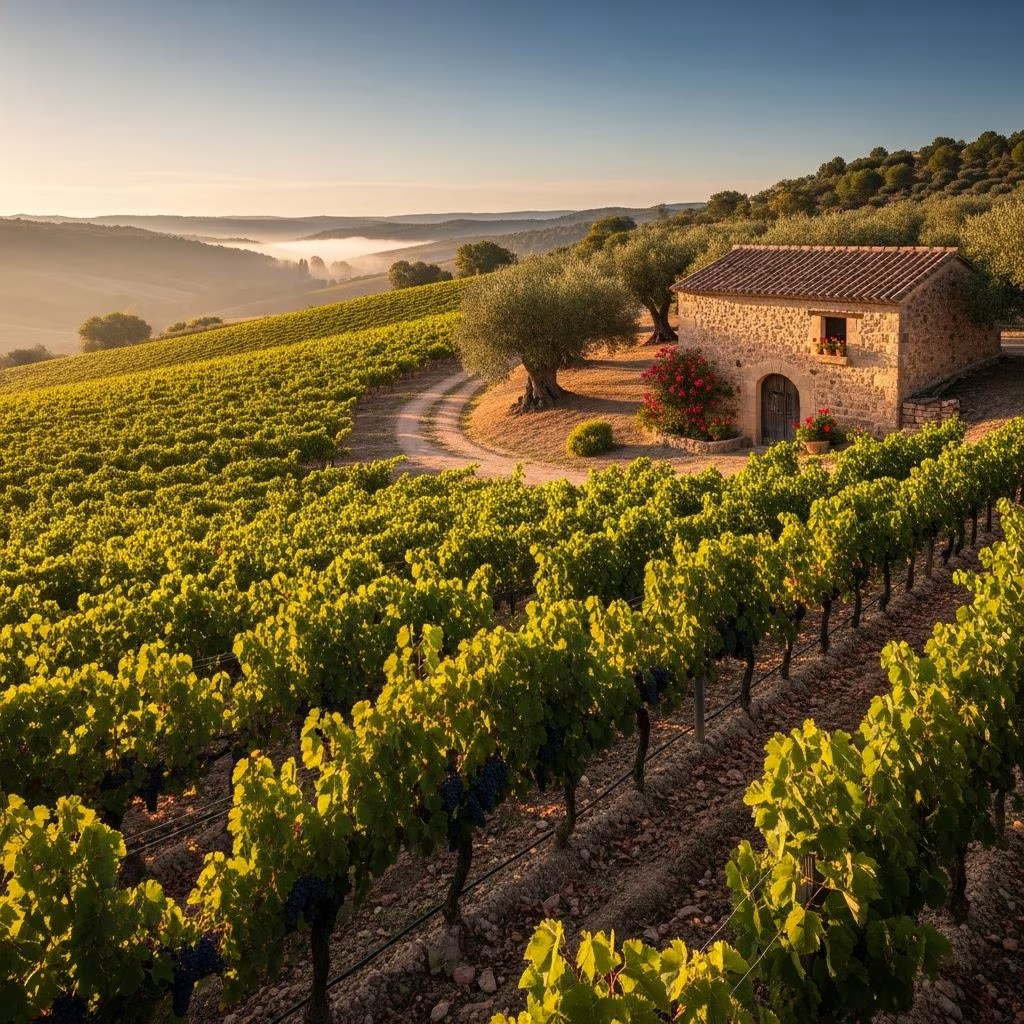
Spain boasts a rich winemaking heritage dominated by famous names like Rioja and Ribera del Duero, but numerous lesser-known regions produce exceptional wines with distinctive character. These areas offer intimate vineyard visits, rare native grapes, and pairings with local cuisine, providing a more authentic experience for enthusiasts seeking to escape tourist crowds.
Why Venture Beyond the Famous Names?
While iconic zones attract global attention, overlooked denominations of origin (DOs) reveal Spain’s diversity. High-altitude sites, coastal influences, and ancient varietals create unique profiles—from mineral-driven whites to structured reds. These regions emphasize sustainability, small producers, and terroir expression, often at more accessible prices.
- Proximity to cities like Barcelona and Madrid for easy day trips.
- Native grapes like Bobal, Garnacha, and Pansa Blanca rarely found elsewhere.
- Emerging organic and natural winemaking scenes.
Empordà: Windswept Reds Near the French Border
In northeastern Catalonia, DO Empordà stretches across rugged landscapes battered by the Tramuntana wind, fostering resilient vines that yield concentrated wines. This dynamic area has evolved rapidly, earning acclaim for bold blends dominated by Garnacha and Cariñena, with notes of black fruit, spice, and earth.
Vineyards perch on schist and granite soils at altitudes up to 400 meters, imparting structure and freshness. Producers experiment with old vines and minimal intervention, producing age-worthy reds and elegant rosés. Pair these with Catalan grilled meats or fuet sausage for a perfect match.
| Wine Style | Key Grapes | Flavor Profile |
|---|---|---|
| Red Blends | Garnacha, Cariñena | Dark berries, herbs, firm tannins |
| Rosé | Garnacha | Strawberry, citrus, crisp acidity |
| White | White Garnacha, Macabeo | Apple, floral, saline finish |
Plan a visit: Start at a cooperative cellar in Figueres, then hike vineyard trails toward the Pyrenees foothills. Stay in medieval villages like Peralada for castle tours and wine pairings.
Alella: Barcelona’s Boutique White Haven
The tiniest DO in Spain, Alella lies just 15 kilometers from Barcelona’s bustle, yet feels worlds away amid terraced hillsides. Dominated by Pansa Blanca (Xarel·lo), its wines shine with citrus, stone fruit, and Mediterranean minerality, ideal for seafood or light appetizers.
With only a handful of producers, the focus is on quality over quantity. Granite soils and sea breezes yield textured whites and sparkling Cavas that rival Champagne in finesse. Emerging reds from Pansa Rosa add intrigue with their pale color and aromatic lift.
- Top Experience: Vineyard picnic overlooking the Costa Brava.
- Must-Try: Single-vineyard Pansa Blanca with bottle age.
- Access: Train from Barcelona, then local bus to cellars.
This region’s microclimates preserve freshness, making it a gem for urban escapees craving precision-crafted wines.
Vinos de Madrid: Granite Garnachas Around the Capital
Encircling Madrid, DO Vinos de Madrid spans three subzones—Arganda, Navalcarnero, and San Martín—where old vines thrive on granitic sands. Garnacha leads with perfumed reds evoking wild strawberries and garrigue, while Albillo Real whites offer creamy textures and orchard fruit.
Sierra de Gredos’ high elevations (700-1,000m) cool nights preserve acidity, birthing elegant, low-alcohol wines favored by natural wine advocates. Around 50 wineries range from cooperatives to boutique estates, many family-run for generations.
Explore: Drive to San Martín de Valdeiglesias for panoramic views, tasting skin-contact experiments alongside classics. Local tapas like jamón ibérico elevate the sensory journey.
Penedès: Sparkling and Still Wonders South of Barcelona
DO Penedès, a short drive from Barcelona, masters Cava production using Xarel·lo, Macabeo, and Parellada for bubbly freshness and minerality. Beyond sparklers, still wines from revived Sumoll grape deliver aromatic whites and silky reds with balsamic notes.
Diverse altitudes from plains to Montserrat foothills create layered terroirs. Family producers like Recaredo emphasize long lees aging for complexity. Organic estates highlight biodiversity, with sheep grazing vine rows.
| Varietal | Style | Pairing Idea |
|---|---|---|
| Xarel·lo | Still White | Seafood paella |
| Cava Brut Nature | Sparkling | Fried croquetas |
| Sumoll Red | Light Red | Roast rabbit |
Itinerary tip: Tour Sant Sadurní d’Anoia, lunch in Vilafranca del Penedès on romesco dishes, then ascend to Montserrat for sunset views.
Utiel-Requena: Bobal’s Bold Inland Realm
Inland from Valencia, DO Utiel-Requena champions Bobal, an indigenous grape yielding deep-colored reds, juicy rosés, and even Cava. Its thick skins resist drought, suiting the continental climate with hot days and chilly nights.
Historic caves in Requena store barrel-aged reserves, showcasing Bobal’s evolution from bulk wine to premium expressions with black cherry, licorice, and spice. Whites from Tardana add citrus vibrancy.
- Highlight: Underground cave tours revealing medieval methods.
- Food Pair: Ajoarriero cod spread with rosado.
- Winery Pick: Bodegas Hispano Suizas for innovative blends.
Natural parks and mountain vistas enhance road trips from Valencia beaches.
Other Emerging Stars: Montilla-Moriles and Rueda
South of Córdoba, Montilla-Moriles crafts Pedro Ximénez-based finos and amontillados—sherry-like but softer, with almond and chamomile notes from albariza soils.
In Castilla y León, Rueda excels in Verdejo whites: aromatic, herbal, and crisp from high plateau vineyards. Extreme temperatures concentrate flavors in stony terrains.
Planning Your Underrated Wine Adventure
Combine regions via train or rental car: Barcelona base for Alella/Penedès/Empordà, Madrid hub for Vinos de Madrid, Valencia gateway to Utiel-Requena. Book Ruta del Vino routes for guided tastings, harvest festivals (September-October), and accommodations in fincas.
- Best Time: Spring for blooms, fall for vendimia.
- Budget Tip: €20-40 per tasting; opt for shared experiences.
- Sustainable Choice: Prioritize organic DO members.
Frequently Asked Questions
What makes these regions underrated?
They lack Rioja’s marketing but offer superior value, uniqueness, and fewer crowds.
Are English speakers welcome?
Yes, many cellars cater to tourists with multilingual staff and tours.
Can I visit without a car?
Trains and buses connect major spots; join organized tours for remote areas.
What native grapes should I seek?
Bobal, Pansa Blanca, Albillo Real, Sumoll—each tells a local story.
Is wine tourism growing here?
Rapidly, with new routes and boutique hotels emerging.
References
- The Undiscovered Wine Regions of Spain — Adler Marlow. 2023. https://www.adlermarlow.com/post/the-secret-wine-regions-of-spain
- 5 Wine Regions Close to Major Spanish Cities — Vine Travel. 2024. https://www.vine-travel.com/5-wine-regions-close-to-major-spanish-cities-that-arent-rioja-or-ribera-del-duero
- Lesser-Known Spanish Wine Regions — DCanter Wines. 2023. https://www.dcanterwines.com/blogs/wine-life/lesser-known-spanish-wine-regions/
- Top 5 Spanish Wine Regions for Your Wine Holidays — Colorful Wines. 2024. https://colorfulwines.com/top-5-spanish-wine-regions-for-your-wine-holidays/
- Best Guide to Visit Spain’s Top Wine Regions in 2026 — Winalist. 2026. https://www.winalist.com/blog/spain
On This Page
Why Venture Beyond the Famous Names? Empordà: Windswept Reds Near the French Border Alella: Barcelona's Boutique White Haven Vinos de Madrid: Granite Garnachas Around the Capital Penedès: Sparkling and Still Wonders South of Barcelona Utiel-Requena: Bobal's Bold Inland Realm Other Emerging Stars: Montilla-Moriles and Rueda Planning Your Underrated Wine Adventure Frequently Asked Questions← Previous
Kenya and Tanzania Safari Guide: Best Parks, Costs & Itineraries
Next →
Best Fall Foliage in Litchfield County, Connecticut
Related Reading
More in Food & Culture
Food & Culture Food & Culture
 Food & Culture
Best Places to Eat in Rome: Neighborhood Dining Guide
 Food & Culture
 Food & Culture