

 Travel Essentials
 Travel Essentials

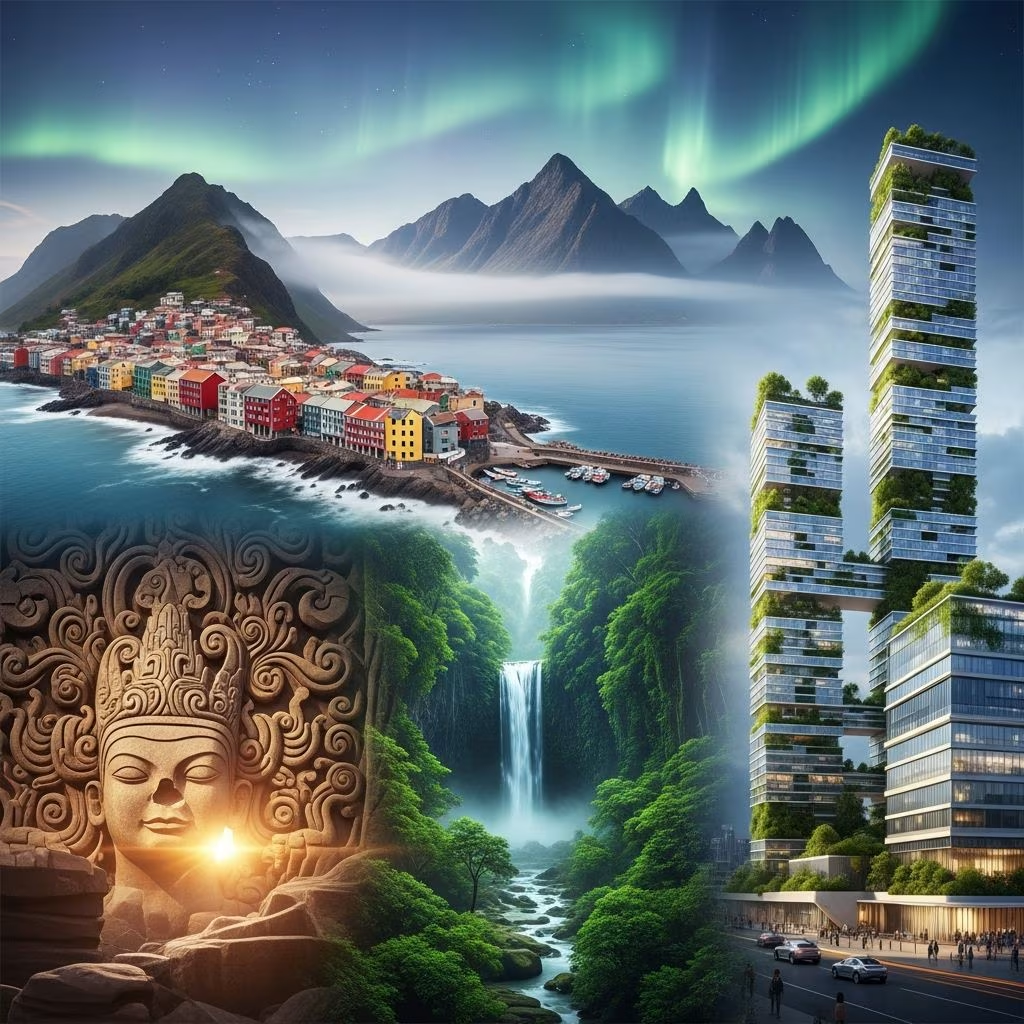
Explore the 26 new UNESCO World Heritage Sites for 2025, from ancient rock art in Australia to hidden caves in Brazil. Learn their unique stories and travel tips.
 Travel Essentials
The UNESCO World Heritage Committee has expanded its prestigious list with 26 new sites in 2025, recognizing places of outstanding universal value that blend cultural significance, natural beauty, and human ingenuity. These additions span continents, highlighting diverse landscapes from ancient petroglyphs to pristine parks, inviting travelers to witness humanity’s shared legacy.
UNESCO’s World Heritage program safeguards sites that represent irreplaceable elements of our planet’s heritage. Natural sites, numbering 266 as of recent counts, cover vital ecosystems under threat from climate change, tourism, and development. These 2025 inclusions underscore the program’s role in conservation amid growing pressures like invasive species and infrastructure.
Each site must demonstrate exceptional testimony to human history or natural phenomena. The committee, meeting in Paris, evaluated nominations based on authenticity, integrity, and management plans. This year’s batch reflects a balanced mix of cultural landscapes, archaeological gems, and biodiversity hotspots.
The new designations are distributed across regions, offering travelers varied itineraries. From Asia’s spiritual enclaves to Africa’s wildlife havens, here’s a curated overview.
Australia’s Murujuga Cultural Landscape stands out with over a million ancient petroglyphs etched into rock formations. Created by Indigenous peoples over millennia, these carvings depict marine life, hunting scenes, and spiritual motifs, reflecting climatic shifts from ice ages to modern times. Visitors can explore via guided walks, but access is regulated to protect this living cultural archive.
In Brazil, Cavernas do Peruaçu National Park joins the list for its vast cave systems adorned with prehistoric paintings dating back 12,000 years. The site’s rock shelters reveal early human migrations, alongside unique karst formations and rare fauna. Hiking trails and boat tours provide immersive experiences, emphasizing sustainable tourism.
Cambodia contributes sites that extend the Angkor legacy, featuring temple complexes and hydraulic engineering from the Khmer Empire. These additions showcase water management innovations that sustained ancient civilizations, now framed by lush jungles. Travelers should combine visits with ethical elephant sanctuaries nearby.
Europe adds Renaissance-era structures and medieval fortifications, preserving architectural evolution. One highlight is a series of baroque palaces integrated with volcanic landscapes, chronicling royal history and archaeological rediscoveries. These sites offer museum integrations and panoramic views.
African nominations include caravan cities along historic trade paths, with mud-brick architecture defying desert sands. Middle Eastern entries feature qanat irrigation systems, engineering feats that transformed arid lands into oases, supporting communities for centuries.
| Region | Key New Site | Highlight Feature | Visitor Tip |
|---|---|---|---|
| Oceania | Murujuga Cultural Landscape | Million+ petroglyphs | Book Indigenous tours |
| South America | Cavernas do Peruaçu | Prehistoric cave art | Wear sturdy shoes for hikes |
| Southeast Asia | Cambodian temples | Khmer hydraulics | Visit during dry season |
| Europe | Baroque palaces | Vesuvius archaeology | Combine with wine tours |
| Africa | Caravan cities | Mud-brick forts | Stay in eco-lodges |
In an era of rapid environmental change, these designations amplify conservation urgency. Natural sites face escalating threats: climate change affects nearly double the number compared to a decade ago, impacting reefs, forests, and glaciers. Tourism, while boosting economies, strains resources—over 100 million annual visitors to natural wonders demand responsible practices.
Cultural sites preserve intangible heritage, from Indigenous knowledge in Murujuga to engineering in Brazilian caves. They foster global dialogue on sustainability, with UNESCO mandating protective buffers and monitoring.
Travelers eager to visit should prioritize eco-friendly options. Many sites require permits; for Murujuga, advance bookings ensure cultural sensitivity. Brazil’s park offers ranger-led expeditions, ideal for adventure seekers.
Combine sites for multi-country trips: pair Cambodian temples with Vietnamese bays or Brazilian caves with Argentine falls.
Of the 26 new sites, a significant portion are natural or mixed, aligning with UNESCO’s 266 natural listings. These protect biodiversity hotspots amid threats like poaching and dams. Cultural sites dominate with archaeological depth, but mixed landscapes like Murujuga bridge both worlds.
Despite protections, threats persist. Infrastructure endangers over 50 sites, while tourism booms at falls and volcanoes. Successes include community-led initiatives in Australia, where Indigenous rangers manage Murujuga, balancing access and preservation.
UNESCO’s framework requires state parties to submit management plans, fostering international aid for at-risk areas.
Exactly 26 sites, expanding the global list to celebrate humanity’s diverse heritage.
Criteria include outstanding universal value in cultural, natural, or mixed categories, proven authenticity, and robust protection plans.
Most are, but check local guidelines; some like remote caves need permits.
It poses rising threats to natural features, doubling affected sites recently; conservation is prioritized.
Yes, regional clusters like Southeast Asia allow efficient itineraries.
The 2025 additions invite exploration of Earth’s richest tapestries. From petroglyph whispers to cave echoes, they remind us of interconnected histories. Plan responsibly to honor these timeless places.
