

 Travel Essentials
 Travel Essentials

Uncover unique activities and lesser-known destinations across the Florida Keys, from marine encounters to cultural landmarks and quirky roadside attractions.
 Travel Essentials
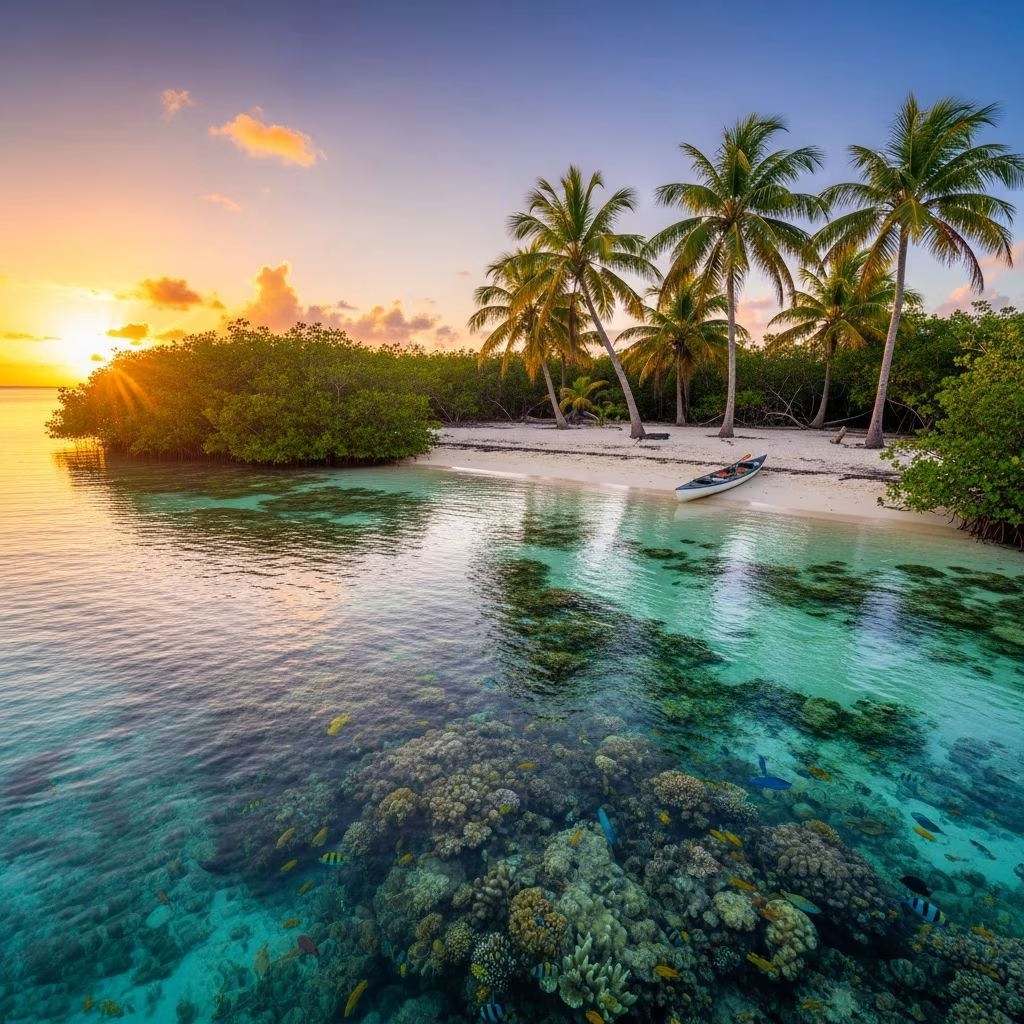
The Florida Keys represent a distinctive archipelago stretching over 100 miles into the Atlantic Ocean and Gulf of Mexico, offering travelers far more than conventional beach vacations. Beyond the predictable resort experiences and crowded tourist zones, the Keys harbor an impressive collection of unconventional attractions, natural wonders, and cultural landmarks that reward curious explorers willing to venture beyond mainstream guidebooks. Whether you seek marine encounters with unique wildlife, historical exploration, or pleasantly unusual roadside curiosities, the Keys deliver memorable experiences that distinguish this destination from other tropical vacation spots.
While snorkeling ranks among the most popular activities in the Keys, several distinctive water-based experiences elevate marine exploration into something more memorable. The region’s underwater environments support diverse ecosystems accessible through multiple exploration methods, each offering different perspectives on the Keys’ aquatic character.
Kayaking through mangrove tunnel systems provides an intimate understanding of the Keys’ ecological complexity. These shallow-water passages wind through dense vegetation, creating natural corridors where paddlers navigate beneath overhanging branches while observing wading birds, small fish, and occasionally larger marine creatures attracted to these sheltered waters. The silent approach of paddling allows for observation opportunities impossible from motorized vessels, and the physical engagement of kayaking creates a stronger connection to the environment than passive boat tours.
Sandbar exploration combines water recreation with geological discovery. Numerous sandbars emerge throughout the Keys, creating temporary islands of pristine white sand surrounded by shallow, crystalline water. These natural formations shift with seasonal currents and weather patterns, making each visit potentially unique. Early morning exploration of sandbars often yields encounters with starfish, conch shells, and other marine specimens in their natural habitats.
Historic vessel experiences add cultural context to water-based adventures. The African Queen, a working riverboat available for guided cruises through Key Largo’s waterways, transports visitors through scenic canals while delivering historical narratives about the region’s maritime heritage. These journeys combine relaxation with storytelling, offering perspectives on how the Keys’ geography has shaped human settlement and industry.
The Keys’ wildlife populations provide interaction opportunities rarely available in typical tourist destinations. Several attractions specialize in bringing visitors into direct contact with indigenous creatures in controlled, educational settings.
Tarpon feeding experiences at facilities like Robbie’s Marina in Islamorada create visceral connections with a species central to the Keys’ fishing heritage. Visitors purchase buckets of fish and hand-feed massive tarpon in shallow waters, experiencing the power and aggression of these apex predators from a safe distance. The experience combines adrenaline with education about fish behavior and the Keys’ role as a world-renowned sportfishing destination.
Sea turtle rehabilitation centers operate throughout the Keys, with the Turtle Hospital in Marathon serving as the region’s primary facility for caring for injured and ill sea turtles. Guided tours reveal the medical challenges these creatures face and the conservation efforts necessary to ensure species survival. Visitors witness veterinary care, rehabilitation processes, and sometimes observe successful releases of recovered animals, creating meaningful connections to marine conservation.
Butterfly conservatories provide tropical biodiversity experiences in intimate garden settings. These facilities house dozens of butterfly species in tropical vegetation environments, allowing visitors to observe life cycles, feeding behaviors, and migration patterns while learning about entomological ecology and the Keys’ role in monarch butterfly migration routes.
The Keys’ history encompasses Native American settlement, Spanish colonial influence, piracy, wrecking industries, literary connections, and maritime commerce. Multiple attractions preserve these historical narratives through museums, historic sites, and architectural preservation.
Fort Zachary Taylor Historic State Park in Key West preserves the oldest masonry fort in Florida, a National Historic Landmark featuring Civil War artifacts, military exhibits, and well-maintained grounds offering perspective on the Keys’ strategic military importance. The facility includes a museum displaying recovered artifacts from shipwrecks, connecting maritime history with military preservation.
Maritime history centers document the wrecking industry that dominated early Keys economy. Before modern navigation and rescue services, wrecking—salvaging cargo from ships run aground on reefs—represented the primary economic activity. Interactive exhibits explain how wreckers identified vessels in distress, navigated to wreck sites, and salvaged valuable cargo. Visitors can climb observation towers and imagine the economic opportunities and dangers that characterized this maritime profession.
Literary heritage sites commemorate the Keys’ connection to celebrated authors. Ernest Hemingway’s residence in Key West operated as a working home during prolific creative periods, and preserved structures maintain original furnishings and personal collections. The author’s connection to the Keys shaped several published works and contributed to the destination’s cultural reputation.
The Keys possess a distinctive character reflected in offbeat attractions that celebrate the region’s quirkiness and unconventional spirit. These locations often lack mainstream tourist infrastructure but reward visitors with memorable experiences and distinctive photo opportunities.
Throughout the Keys, particularly along the Overseas Highway, oversized sculptures commemorate regional symbols and cultural references. A massive conch shell statue stands in front of Theater of the Sea, an 18-foot Fighting Conch mascot sculpture marks Key West High School’s parking lot, and numerous other sculptures celebrate the region’s maritime heritage and tropical character. These installations function as casual roadside entertainment and photo backdrops, contributing to the Keys’ playful atmosphere.
Several locations have become famous for hosting unusual animal populations. Six-toed cat colonies at specific facilities attract visitors interested in this genetic variation, creating educational opportunities about feline genetics while providing entertainment. These attractions demonstrate how the Keys’ isolated geography allows for distinctive biological communities.
Mallory Square Sunset Celebration in Key West has evolved into a nightly gathering featuring street performers, musicians, artists, and fire-breathers creating an impromptu festival atmosphere. The event celebrates the spectacle of tropical sunsets while providing entertainment combining performance art, music, and community gathering. This free, nightly experience requires no advance planning and reflects the Keys’ casual approach to public celebration.
Beyond developed attractions, the Keys offer natural environments supporting diverse outdoor recreation and nature appreciation activities.
Pigeon Key, accessible via the Old Seven Mile Bridge, comprises a cluster of historic structures on a small island. The site functioned as a railroad construction camp during the Overseas Railroad development, later transitioning to residential and commercial use. Today, visitors bike or walk to the island, exploring historic buildings and enjoying isolation from mainland development.
State parks throughout the Keys preserve natural environments including mangrove forests, shallow marine ecosystems, and tropical beach environments. These protected areas support wildlife viewing, kayaking, snorkeling, and nature photography without commercial development disruption.
Dry Tortugas, located approximately 70 miles west of Key West, comprise a remote island complex featuring Fort Jefferson, one of the world’s largest coastal masonry fortresses. Accessible only by boat or seaplane, these islands maintain isolation from mainland development while offering pristine snorkeling, historical exploration, and unique sunset experiences.
| Season | Weather Conditions | Recommended Activities | Visitor Volume |
|---|---|---|---|
| Winter (Dec-Feb) | Mild temperatures, minimal rainfall | Water activities, hiking, outdoor exploration | Peak season; crowded |
| Spring (Mar-May) | Warm, occasional rain, calm seas | Snorkeling, boating, wildlife viewing | Moderate; shoulder season |
| Summer (Jun-Aug) | Hot, humid, frequent thunderstorms, calm mornings | Early morning activities, water sports, museums | Low; locals primarily |
| Fall (Sep-Nov) | Warm, hurricane potential, unpredictable conditions | Limited outdoor activities; cultural events resume | Low; hurricane season risks |
The Overseas Highway (US Route 1) connects the Keys through a series of bridges and causeways spanning approximately 113 miles from Miami to Key West. This engineering marvel provides vehicle access throughout the archipelago, with mile markers numbering from 126 (near the mainland) to 0 (Key West). The highway infrastructure enables day trips between different Keys or extended explorations combining multiple attractions.
Public transportation remains limited, making vehicle rental advisable for flexible exploration. However, shuttle services and organized tours operate between major centers like Marathon and Key West, providing alternatives for visitors uncomfortable with driving or seeking guided experiences.
Winter months (December through February) offer ideal weather conditions—mild temperatures and minimal rainfall—making this peak season. However, visitors seeking fewer crowds and lower prices can explore during spring (March-May) or early fall when weather remains favorable.
A minimum three-day visit allows exploration of different Keys and varied attractions. However, five to seven days permits more leisurely experiences and better appreciation of the region’s distinctive character without rushed schedules.
Hurricane season (June through November) introduces weather risks, particularly August through October. Winter through spring provides the safest periods for water-based activities with most predictable conditions.
Common marine creatures include tarpon, stingrays, sea turtles, tropical fish, dolphins, and manatees. Land-based wildlife includes wading birds, herons, egrets, and various reptile species. Most wildlife avoids human contact, though managed facilities provide controlled encounter opportunities.
Yes, the highway provides consistently impressive ocean views, bridge crossings offering panoramic perspectives, and numerous pullouts for photography and observation. The drive itself constitutes a significant portion of the Keys experience.
The Florida Keys offer distinctive travel experiences extending far beyond conventional beach resort activities. From intimate kayak expeditions through mangrove ecosystems to encounters with rehabilitated sea turtles, from exploration of maritime heritage sites to participation in nightly street performances, the Keys present opportunities for meaningful, memorable travel experiences. The region’s combination of natural environments, cultural heritage, wildlife encounters, and characteristically quirky attractions creates a destination rewarding curious travelers willing to explore beyond mainstream tourist zones. Whether planning a brief escape or extended vacation, the Keys’ diversity ensures multiple visits would reveal new experiences while deepening appreciation for this unique archipelago’s distinctive character and charm.
