

 Travel Essentials
 Travel Essentials

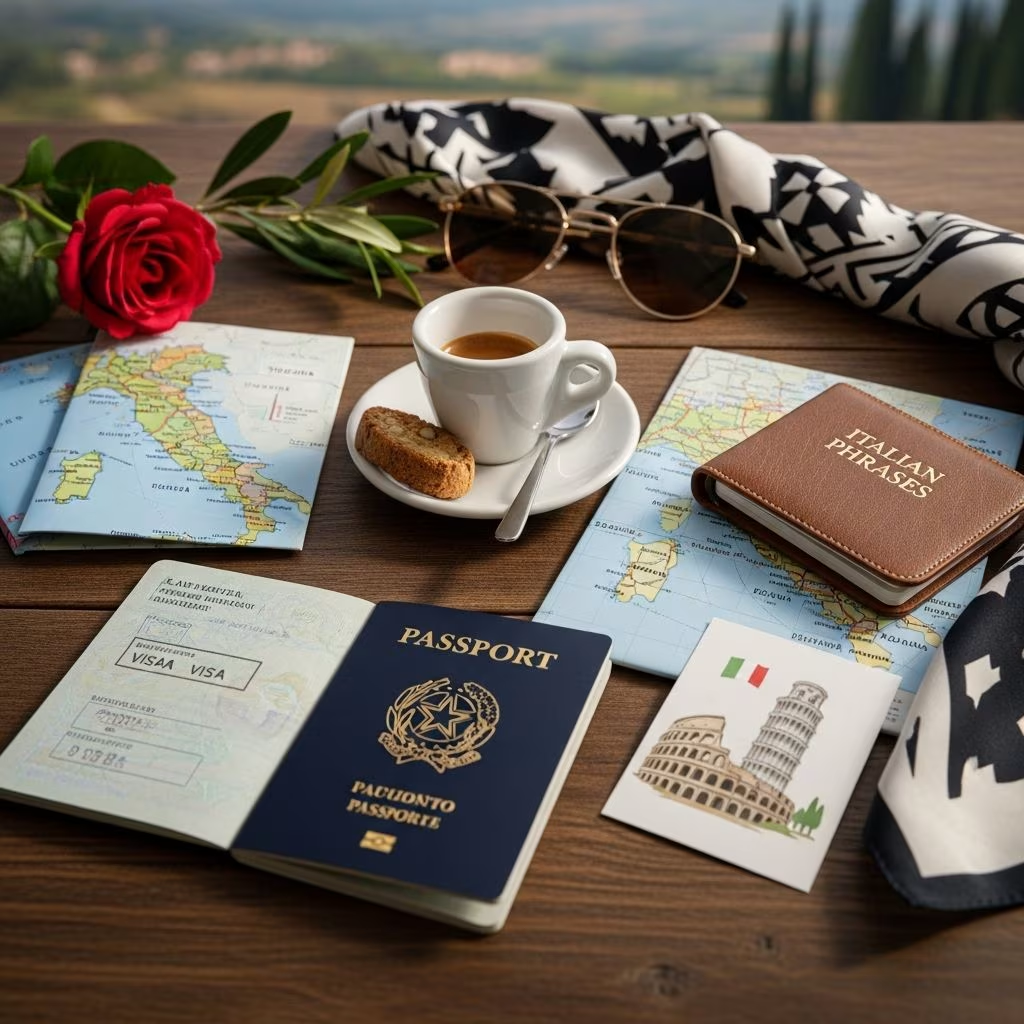
Learn essential Italian cultural practices, dining customs, dress codes, and social etiquette to navigate the country respectfully and blend in with locals.
 Travel Essentials
Italy represents one of Europe’s most visited destinations, attracting millions of travelers annually who seek to experience its rich history, remarkable cuisine, and vibrant lifestyle. However, beneath the postcard-perfect facades of Venice’s canals and Rome’s ancient monuments lies a complex social fabric governed by unspoken conventions that locals follow instinctively. Understanding these cultural guidelines transforms a tourist experience into an authentic immersion, allowing visitors to navigate Italian society with grace and respect. This guide explores the multifaceted customs that define Italian life, from the moment you enter a local establishment to how you conduct yourself in public spaces.
One of the most fundamental yet frequently overlooked conventions involves how you initiate interaction with locals. Walking into a shop, café, or any commercial establishment without acknowledging the proprietor is considered dismissive and frankly impolite in Italian culture. The appropriate approach involves offering a warm greeting—such as “Buongiorno” in the morning or “Buonasera” in the evening—before conducting any business. This simple gesture carries significant weight and demonstrates respect for the individual behind the counter.
The greeting serves a practical purpose beyond mere politeness. Shop owners and café staff are more inclined to provide attentive service and warmer interactions when customers extend this basic courtesy. Your greeting essentially signals that you recognize them as a person rather than a service provider. Furthermore, maintaining this courtesy throughout your interaction, including a proper goodbye (“Arrivederci”), reinforces your respect for their space and labor.
This convention extends beyond retail environments. When entering restaurants, hotels, or any hospitality venue, the same principle applies. Italians view this exchange as foundational to civilized society, and failing to observe it may result in noticeably cooler service or subtle disapproval from staff members who have witnessed countless tourists bypass this essential courtesy.
Coffee consumption in Italy follows particular rituals that baffle many international visitors unfamiliar with these deeply embedded traditions. The Italian relationship with coffee extends far beyond caffeine intake—it represents a cultural statement and social practice governed by specific rules.
A primary rule involves understanding when different coffee beverages are appropriate to consume. Cappuccino, that creamy combination of espresso and steamed milk, is exclusively a morning beverage in Italian culture. Ordering cappuccino after noon marks you immediately as a tourist and suggests a fundamental misunderstanding of Italian dietary practices. Italians believe the milk content in cappuccino makes it too heavy for afternoon consumption. Similarly, espresso serves as the standard coffee order throughout the day and evening.
Another crucial convention prohibits ordering coffee immediately before meals or during dining. Italians consume their morning coffee in a standing position at a café bar, often downing their espresso in one or two quick gulps before heading to work or beginning their day. This quick caffeine boost differs drastically from the leisurely coffee-sipping culture prevalent in many other countries. Coffee functions as punctuation to the day’s activities rather than an extended social ritual in most contexts.
Additionally, the Italian preference involves consuming coffee in specific establishments rather than carrying disposable cups throughout the city. Traveling while sipping coffee from a takeaway cup is considered uncouth and indicative of a rushed, disrespectful approach to consumption. Italians invest time in their coffee breaks, even if those breaks last only minutes, emphasizing quality over convenience.
Perhaps no aspect of Italian culture surprises travelers more than meal timing conventions. Restaurant operations in Italy follow a rhythm completely foreign to visitors from North America and many other regions. Establishments typically open for dinner service around 7:00 p.m., with peak service often not occurring until 8:00 p.m. or later. Arriving at 6:00 p.m. expecting dinner will result in discovering empty restaurants and disappointed visitors.
This timing reflects the Italian approach to meals as social occasions requiring dedicated time and attention rather than quick transactions between other activities. Dinner becomes a multi-hour affair involving multiple courses, conversation, and leisure. Rushing through dinner contradicts fundamental Italian values regarding food and family time.
Beyond timing considerations, restaurant behavior expectations differ significantly from many Western dining customs. Service is intentionally unhurried, with staff allowing patrons extended time between courses for conversation and digestion. Attempting to rush service or demanding quick turnaround times conflicts with this cultural approach. Additionally, Italian waitstaff do not typically visit tables with excessive frequency, viewing frequent interruptions as disruptive to diners’ experience and conversation.
The tipping culture in Italy operates on fundamentally different principles than systems in the United States and certain other countries. Service workers receive salaries for their labor, and tipping is not an expected component of compensation. This distinction reflects a different economic philosophy regarding service industry wages and employee benefits.
Appropriate tipping in Italy typically involves leaving small loose change—perhaps one to two euros for satisfactory service—rather than calculating percentages of the bill. Leaving 15-20% as many American travelers instinctively attempt is not only unnecessary but may actually create awkward situations. Such generous gratuities can appear patronizing or suggest that the diner believes standard service is somehow inadequate.
In some Italian establishments, particularly in tourist-heavy areas or upscale restaurants, a small service charge may already be incorporated into the bill. Checking whether “coperto” (cover charge) or “servizio” (service charge) appears on the receipt prevents accidental double-tipping. When uncertain, a modest gratuity or simply rounding up the bill to a convenient figure demonstrates appreciation without violating cultural norms.
Italians place considerable emphasis on appearance and dressing appropriately for specific contexts. This cultural value extends to religious spaces, public settings, and even casual tourist activities. Understanding these expectations prevents disrespectful intrusions into sacred spaces and demonstrates cultural awareness.
Italy’s numerous churches, cathedrals, and religious monuments require visitors to observe specific dress standards. Modest clothing that covers shoulders and knees is mandatory for entry into many of these sites. This requirement reflects the religious significance of these spaces and the ongoing spiritual use of many Italian churches. Wearing sleeveless shirts, tank tops, or short shorts violates this protocol, and entry will be denied regardless of your nationality or claims of ignorance.
Practical solutions involve packing a lightweight scarf or shawl that can quickly cover shoulders when needed. Similarly, loose, lightweight long pants or skirts adapt well to both the dress code requirements and Italy’s summer heat. Planning your wardrobe before traveling prevents the frustration of being turned away from iconic religious sites you intended to visit.
Beyond religious contexts, Italians generally maintain higher fashion standards than many visitors anticipate. Wearing flip-flops or beach sandals throughout the city, rather than reserving them for actual beach visits, marks visitors as tourists and suggests disrespect for public spaces. Italian fashion culture emphasizes intentionality and appropriateness, with different clothing serving specific purposes rather than serving as universal casual wear.
Walking cobblestone streets in impractical footwear also creates physical discomfort, making comfortable sneakers or walking shoes a practical investment despite their divergence from typical Italian summer fashion. Balancing comfort with cultural respect often means compromising on certain style preferences.
Italian cuisine represents far more than sustenance—it embodies cultural identity, regional pride, and centuries of tradition. Visitors who approach Italian food with respect rather than casual consumption gain significantly richer experiences and avoid alienating locals.
One notable convention involves cheese consumption. While cheese appears in many Italian dishes, ordering cheese-based dishes at specific meal times or combining cheese with certain proteins violates traditional Italian practice. Pineapple on pizza, excessive cheese on seafood dishes, or other non-traditional ingredient combinations represent personal preferences rather than authentic Italian cuisine. Respecting regional dishes as they are traditionally prepared honors the culinary heritage.
Additionally, handling food with respect and allowing vendors or staff to manage the bagging and serving process maintains the dignity of the transaction. Reaching across counters to bag your own groceries or attempting to assist in ways that violate established procedures can be perceived as questioning the worker’s competence or suggesting distrust of their methods.
Italy’s public transportation system requires specific protocols that many international visitors overlook, potentially resulting in fines. Purchasing a train or bus ticket represents only the first step in proper transportation use. Validating your ticket by inserting it into designated machines before boarding ensures compliance with regulations.
These validation machines appear on train platforms and bus stations throughout Italian cities. Forgetting to validate your ticket, despite possessing a legitimate ticket, can result in significant fines from transportation authorities. The validation process timestamps your ticket, confirming that you purchased it for current travel rather than using an older ticket inappropriately.
Understanding the validation requirement prevents unnecessary financial penalties and demonstrates respect for the transportation system’s regulations. Making validation your immediate priority after purchasing your ticket creates a reliable habit that protects you throughout your Italian travels.
Italy’s famous fountains, piazzas, and public monuments serve as cultural treasures rather than recreational facilities or photo opportunity props. Swimming in fountains like the Trevi Fountain, regardless of how appealing the water appears on hot summer days, violates both cultural respect and legal codes. Such behavior can result in fines or arrest, and it certainly attracts disapproving attention from locals who view these structures as integral to their heritage.
Similarly, using famous squares and public spaces as casual picnic areas or gathering points for extended parties contradicts Italian expectations for respectful public behavior. These spaces deserve treatment as cultural landmarks rather than personal recreation zones.
Perhaps the most fundamental unwritten rule involves adopting a different relationship with time. Italian culture emphasizes quality over efficiency, relationships over transactions, and presence over productivity. Attempting to cram excessive activities into minimal timeframes contradicts this philosophy and prevents meaningful engagement with places and people.
Allowing at least three hours between scheduled commitments creates buffer space for extended meals, spontaneous conversations, unexpected discoveries, or simply sitting in a piazza watching daily life unfold. This approach transforms travel from checking boxes on a predetermined itinerary to cultivating authentic experiences and memories.
While restaurants will typically accommodate requests, ordering significant modifications or non-traditional preparation methods may be viewed as disrespectful to the chef’s expertise and the dish’s traditional preparation. Enjoying dishes as presented honors culinary traditions, though reasonable adjustments for allergies or dietary restrictions are generally accommodated without issue.
A genuine apology or acknowledgment of your error typically resolves most situations. Italians appreciate visitors who demonstrate awareness of and respect for their culture, even when mistakes occur. Most locals understand that tourists are learning and adjust their expectations accordingly when visitors show sincere interest in proper behavior.
While these conventions are widely recognized across Italy, enforcement and adherence vary between urban centers and smaller communities. Major tourist destinations sometimes display more flexibility toward foreign visitors, while smaller towns and rural areas may maintain stricter adherence to traditional customs. Northern Italy often emphasizes different priorities than Southern Italy, though core values regarding respect and family remain consistent.
