

 Travel Essentials
 Travel Essentials

A comprehensive guide to experiencing the Upper East Side's world-class museums, upscale shopping, dining establishments, and hidden cultural gems.
 Travel Essentials
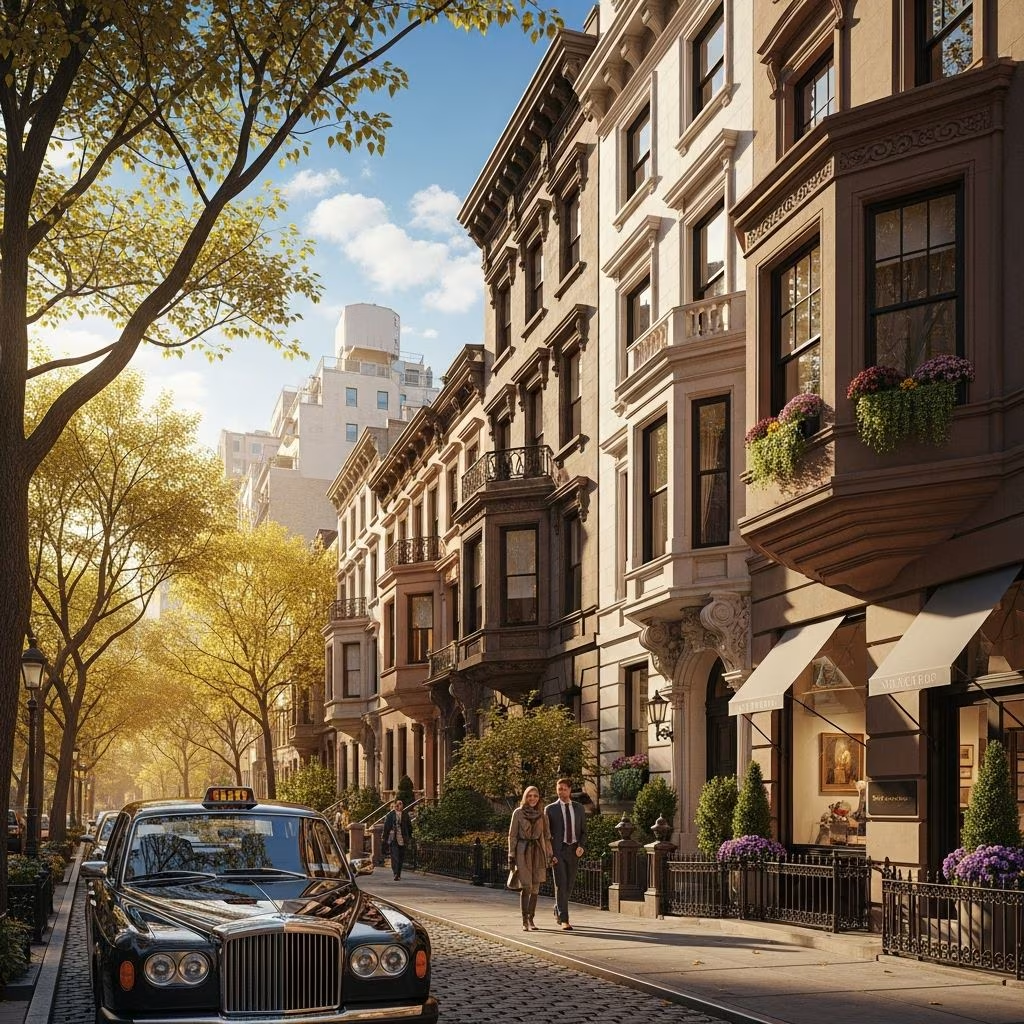
The Upper East Side stands as one of Manhattan’s most prestigious and culturally significant neighborhoods, offering visitors and residents an unparalleled combination of world-class institutions, architectural heritage, sophisticated dining, and refined retail experiences. This neighborhood, which stretches along the eastern edge of Central Park, represents the epitome of New York City’s intellectual and cultural capital. Whether you’re a first-time visitor or a seasoned traveler, understanding how to navigate and experience the Upper East Side’s offerings ensures a memorable journey through one of America’s most distinctive urban landscapes.
The Upper East Side occupies a strategic location in Manhattan, with Central Park serving as its natural western boundary. This positioning creates unique opportunities for residents and visitors to experience the neighborhood’s refined atmosphere while maintaining easy access to one of the world’s most celebrated urban parks. The neighborhood’s character has been shaped by decades of careful preservation, strategic development, and a commitment to maintaining cultural institutions that draw millions of visitors annually.
The neighborhood’s reputation extends far beyond its geographical boundaries, influencing broader perceptions of Manhattan’s identity and international standing. The concentration of museums, galleries, and cultural institutions along Fifth Avenue and Museum Mile has earned the Upper East Side recognition as a global center for art and intellectual pursuits. This distinctive identity attracts a specific demographic of residents and visitors who value cultural engagement and architectural preservation.
An authentic Upper East Side experience begins with understanding the neighborhood’s approach to morning rituals. The area features several exceptional coffee establishments that serve as gathering places for residents and visitors alike. These venues embody the neighborhood’s characteristic blend of sophistication and approachability, offering comfortable environments where one can observe the neighborhood’s distinct social dynamics.
Local coffee shops in the Upper East Side typically feature carefully curated ambiances that reflect the neighborhood’s aesthetic preferences. The clientele at these establishments represents a cross-section of Manhattan’s creative and professional classes, creating natural opportunities for people-watching and observing the neighborhood’s social patterns. Many visitors find that spending the first hour of their Upper East Side experience at a local coffee venue provides valuable context for understanding the neighborhood’s character and rhythm.
These morning establishments often feature:
The Upper East Side’s primary cultural draw centers on its extraordinary concentration of museums, ranging from internationally renowned institutions to specialized galleries focusing on particular artistic traditions or historical periods. The Metropolitan Museum of Art, located on the eastern edge of Central Park, represents the neighborhood’s flagship cultural institution and warrants careful planning to maximize the value of your visit.
Approaching museum visits strategically enhances the experience significantly. Rather than attempting to survey entire collections during a single visit, selective focus on particular galleries, exhibitions, or artistic periods allows for deeper engagement and more meaningful appreciation. The Metropolitan Museum of Art’s rotating exhibitions, combined with its permanent collections spanning Egyptian antiquities, European paintings, American decorative arts, and contemporary installations, provide multiple entry points for different interests and expertise levels.
Beyond the Metropolitan Museum, the Upper East Side hosts specialized institutions that serve particular artistic communities and scholarly traditions. These smaller museums often provide more intimate experiences while maintaining collection quality equivalent to major international institutions. The variety of museums enables visitors to construct personalized itineraries reflecting their specific interests rather than following standardized tourist routes.
Strategic museum planning should include:
Madison Avenue represents the Upper East Side’s retail epicenter, offering an extraordinary range of shopping experiences from international luxury brands to specialized boutiques and vintage dealers. This avenue has evolved into a destination where retail presentation itself constitutes a form of cultural expression, with storefronts designed by internationally acclaimed architects and featuring carefully composed window displays.
The shopping experience on Madison Avenue extends beyond simple commercial transactions. Many establishments serve as cultural ambassadors for their respective brands, creating immersive environments that reflect broader aesthetic philosophies and design principles. The progression of shops along the avenue tells a story of contemporary global commerce intersecting with Manhattan’s historical retail traditions.
Retail venues in the Upper East Side include:
| Category | Experience Type | Characteristics |
|---|---|---|
| Flagship Boutiques | Immersive brand experiences | Architectural significance, curated collections, personal shopping services |
| Vintage and Consignment | Treasure hunting and discovery | Unique pieces, historical significance, competitive pricing |
| Independent Designers | Emerging talent discovery | Limited editions, personalized service, direct creator engagement |
| Specialty Retailers | Curated niche offerings | Expert knowledge, focused collections, community atmosphere |
The Upper East Side’s dining scene reflects the neighborhood’s sophisticated palate and international connections. Restaurants in this area range from casual neighborhood establishments to fine dining venues maintaining Michelin recognition. The culinary offerings represent diverse traditions while adhering to quality standards characteristic of the neighborhood’s overall aesthetic.
Afternoon tea represents a particularly distinctive dining experience available in the Upper East Side, with several establishments maintaining traditions established in the early twentieth century. These venues offer not merely food service but participation in historical cultural practices, with settings designed to evoke specific periods or international influences. The presentation, service rituals, and beverage selections reflect serious engagement with culinary traditions rather than casual refreshment.
Dining experiences in the Upper East Side typically feature:
While Central Park dominates the Upper East Side’s green space offerings, additional parks and waterfront areas provide alternative environments for recreation and contemplation. Carl Schurz Park, situated along the East River between 84th and 90th Streets, offers peaceful alternatives to Central Park’s sometimes crowded pathways. This park features the John Finley Walk, a waterfront promenade providing unobstructed river views and recreational opportunities.
These secondary parks attract neighborhood residents and informed visitors seeking quieter experiences than Central Park typically provides. The waterfront location enables observation of river traffic, including the Roosevelt Island Tramway and maritime activity. The parks feature landscaping designed to encourage lingering and offer practical amenities supporting extended outdoor time.
Alternative park experiences include:
Beyond major museums, the Upper East Side hosts numerous specialized galleries and cultural venues serving particular artistic communities. These institutions range from focused collections devoted to specific national traditions to experimental galleries showcasing contemporary art practices. The existence of this diverse ecosystem reflects the neighborhood’s sophisticated audience and commitment to supporting cultural pluralism.
Smaller galleries and institutions often maintain lower admission costs or free access policies, enabling budget-conscious visitors to experience substantial cultural programming. Many feature rotating exhibitions highlighting emerging artists or historical figures receiving recent scholarly reevaluation. These venues frequently host public programs, lectures, and educational initiatives extending beyond traditional exhibition formats.
Central Park’s eastern side, directly accessible from the Upper East Side, features distinctive attractions and recreational opportunities. The Bethesda Terrace, Conservatory Water, Great Lawn, and Alice in Wonderland statue represent iconic destinations within the park’s broader landscape. These specific locations attract different visitor demographics and support various recreational activities from casual tourism to serious naturalist pursuits.
Recreation options within Central Park’s Upper East Side section include:
Creating a meaningful Upper East Side experience requires matching available attractions with personal interests and available time. The neighborhood’s density of institutions and retail venues enables infinite customization, from art-focused itineraries prioritizing museum visits to shopping-centric schedules emphasizing retail experiences. Time of year significantly influences the experience, with seasonal variations affecting park aesthetics, exhibition schedules, and weather-dependent outdoor activities.
Effective itinerary planning considers physical demands, transportation requirements, and realistic time estimates for various activities. The temptation to compress multiple destinations into limited timeframes often results in superficial engagement rather than meaningful cultural interaction. Strategic prioritization enables deeper engagement while maintaining realistic pacing.
Successful Upper East Side experiences benefit from understanding practical logistics supporting visitor navigation. Transportation options include subway access, taxi services, and walking routes connecting major destinations. Museum ticket policies, hours of operation, and special programming vary seasonally, requiring advance research for optimal planning. Dining reservations frequently require advance booking during peak seasons and popular times.
Accessibility considerations influence visit planning, with museums offering wheelchair access and specialized services for visitors with mobility challenges. Many cultural institutions provide assistive listening devices, large-print materials, and guided programs designed for specific accessibility needs. Transportation infrastructure throughout the neighborhood generally accommodates diverse mobility requirements.
Spring and early fall provide optimal weather conditions and moderate crowd levels. Seasonal exhibitions vary throughout the year, so checking museum websites helps identify periods featuring specific collections or exhibitions matching your interests. Summer brings larger tourist populations, while winter weather can restrict outdoor activities but offers fewer park crowds.
Plan 2-3 hours for selective museum exploration covering 4-6 galleries or exhibitions in depth. Comprehensive museum surveys typically require 5-8 hours. Smaller specialized museums can be experienced in 1-2 hours. Budget time for café breaks and reflection periods, which enhance retention and enjoyment.
Major reservation platforms provide access to most Upper East Side restaurants, with direct phone reservations sometimes offering superior availability or special requests accommodation. Many restaurants maintain cancellation policies requiring advance notice.
Central Park offers free access to all recreational areas and attractions. Many museums offer pay-what-you-wish hours during designated periods. Browsing galleries, walking neighborhood streets, and people-watching at coffee establishments require no admission fees.
