


 Food & Culture
Food & Culture
Uruguayan Food Guide: Beef, Asado, Chivito & Dulce de Leche
Uncover Uruguay's overlooked gastronomy: from world-class beef and asado rituals to dulce de leche delights and beachside feasts in a laid-back paradise.
 Food & Culture
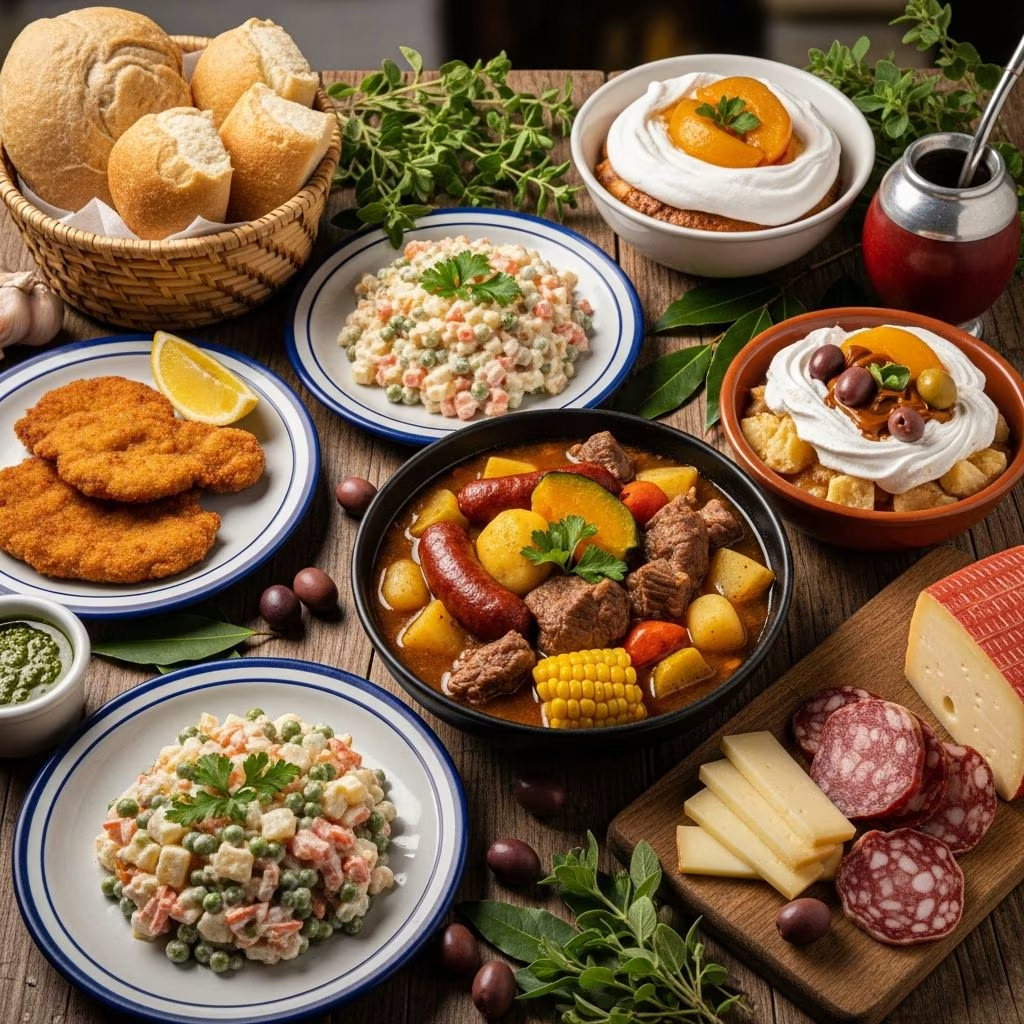
Uruguay stands out as a quiet powerhouse in South American gastronomy, blending indigenous traditions with European influences into meals that are profoundly satisfying and deeply rooted in daily life. Often overshadowed by flashier neighbors, this coastal nation delivers an unpretentious food culture centered on premium beef, communal barbecues, and indulgent sweets that have captured the hearts of discerning travelers like the late Anthony Bourdain.
The Allure of Uruguay’s Grass-Fed Beef Legacy
At the heart of Uruguayan cuisine lies its world-renowned beef, produced from cattle grazing freely on vast grasslands that cover about 80% of the country. This natural rearing method results in meat with exceptional marbling, flavor, and tenderness, positioning Uruguay as a top global exporter. The Fray Bentos Industrial Landscape, recognized by UNESCO as a World Heritage site, symbolizes this heritage—once dubbed “the greatest kitchen of the world,” it pioneered efficient meat processing techniques that revolutionized the industry while preserving cultural traditions.
Today, this legacy fuels everyday dining. Locals and visitors alike savor cuts like bife de chorizo (sirloin) and vacío (flank steak), grilled to perfection over wood fires. The emphasis on simplicity—minimal seasoning to let the meat shine—defines the approach, making every bite a testament to quality ingredients and time-honored methods.
Asado: More Than a Meal, a National Ritual
The **asado**, Uruguay’s iconic barbecue, transcends mere cooking; it’s a social cornerstone that brings families and friends together for hours of preparation, conversation, and feasting. Typically held on weekends or holidays, an asado features an array of offal, sausages (chorizo and morcilla), and prime ribs slow-cooked on a parrilla (grill). The host, or “asador,” commands respect, tending the fire with expertise passed down generations.
Paired with chimichurri—a zesty sauce of parsley, garlic, oil, and vinegar—and simple sides like ensalada rusa (potato salad) or grilled provolone cheese, asado embodies communal joy. In rural estancias (ranches), these gatherings occur under open skies, while urban versions adapt to apartment balconies without losing their essence.
- Key Elements of a Perfect Asado:
- High-quality, grass-fed meats sourced locally
- Hardwood like quebracho for smoky flavor
- Slow cooking over indirect heat for juiciness
- Generous servings with Malbec or Tannat wines
- Shared storytelling and mate sipping
Street Food Stars: Chivito and Beyond
For a quick taste of Uruguay’s bold flavors, the **chivito** reigns supreme. Hailed by Anthony Bourdain as a national treasure, this overstuffed sandwich piles tender beef steak, ham, cheese, bacon, eggs, lettuce, tomato, and mayo on a crusty roll— a glorious excess that’s both comforting and indulgent. Found at roadside parillas or bustling Montevideo markets, it’s the go-to for beachgoers and night owls alike.
Other street delights include:
- Pastel de choclo: Corn pie stuffed with ground beef, onions, and olives
- Empanadas: Flaky pastries filled with spiced meat or cheese
- Revuelto Gramajo: Scrambled eggs with ham, onions, and fries—a breakfast favorite
These portable treats highlight Uruguay’s fusion of gaucho ruggedness and Italian immigrant ingenuity, evident in the pizza and gnocchi scenes thriving nationwide.
Sweet Indulgences: Dulce de Leche Dominance
No Uruguayan culinary journey skips **dulce de leche**, the caramelized milk spread that’s spooned into everything from alfajores (cookie sandwiches) to pancakes and ice cream. Made by simmering sweetened condensed milk for hours, its creamy richness stems from a 19th-century accident-turned-delicacy, now a pantry staple.
Postres like flan con dulce de leche or arroz con leche elevate it further, while bakeries overflow with facturas (pastries) slathered in the stuff. For immersion, visit a confitería in Montevideo for medialunas (croissant-like rolls) drowned in dulce de leche and café con leche.
| Dessert | Key Ingredients | Best Paired With |
|---|---|---|
| Alfajor | Dulce de leche, shortbread cookies | Tea or coffee |
| Churros | Fried dough, dulce de leche filling | Hot chocolate |
| Flan | Custard, dulce de leche topping | After asado |
Beverages That Bind: Mate and Tannat Wines
Uruguay’s drinks culture revolves around **mate**, a bitter herbal tea sipped from a gourd through a metal bombilla. More than caffeine—it’s a symbol of hospitality, passed hand-to-hand in circles to foster bonds. Yerba mate’s earthy notes pair perfectly with morning pastries or afternoon chats.
Wine lovers rejoice in Uruguay’s Tannat varietal, a robust red tracing Basque roots, now the national grape. Vineyards in Canelones and Maldonado produce bottles rivaling Argentina’s Malbecs, often enjoyed at vineyard hotels like those offering trail walks and chef-prepared meals amid 250-acre estates. Emerging whites and rosés complement seafood from the Atlantic coast.
Coastal Culinary Hotspots: Beaches and Fresh Catches
Uruguay’s 400+ miles of coastline deliver seafood-forward feasts. In Punta del Este, dubbed the “Monaco of South America,” upscale spots serve grilled prawns and fresh oysters alongside international flair. Bohemian beaches like José Ignacio offer casual pizzerias and fish fries.
Carnival season amps up with beachside feasts: think choripán (chorizo sandwiches) and massive paellas feeding crowds. Markets brim with produce, crafts, and vendor banter, blending food with local vibes.
Insider Tips for Food Explorers
To dive deep:
- Visit Montevideo’s Mercado del Puerto for parrilla masters
- Book estancias for authentic asados
- Explore Colonia del Sacramento’s colonial eateries
- Time for summer fairs with unimaginable street eats
- Stay at vineyard retreats for wine-paired farm-to-table
Uruguay’s progressive ethos—low corruption, high literacy—translates to safe, welcoming food scenes.
Why Uruguay Deserves the Spotlight
Bourdain nailed it: Uruguay’s laid-back soul, stunning beaches, and fabulous food make it profoundly cool. From gaucho ranches to urban buzz, its cuisine invites unhurried savoring in a nation where cattle outnumber people 4:1. Safe, democratic, and delicious—it’s South America’s Switzerland with steak.
Frequently Asked Questions
What is Uruguay’s national dish?
Asado, the traditional barbecue featuring various beef cuts and offal, grilled communally.
Is Uruguayan beef really the best?
Yes, grass-fed on vast pampas, it’s prized globally for flavor and exported widely.
Where to find the best chivito?
Street vendors in Montevideo or Punta del Este beaches—Bourdain’s favorite.
Can vegetarians enjoy Uruguayan food?
Options like grilled veggies, provolone, empanadas, and dulce de leche abound alongside meat focus.
Best time for food festivals?
Summer (Dec-Feb) for carnivals, fairs, and beach feasts.
References
- Anthony Bourdain Called This One Country The Most Underrated In The World — Explore.com. 2024-10-01. https://www.explore.com/1811888/anthony-bourdain-called-one-country-uruguay-most-underrated-world/
- The South American Destination Anthony Bourdain Called The World’s Most Underrated — Islands.com. 2024-08-15. https://www.islands.com/1634584/south-america-uruguay-destination-country-anthony-bourdain-world-most-underrated/
- Uruguay: A Hidden Gem of South America — American Club Rome. 2023-07-20. https://www.americanclubrome.org/post/uruguay-a-hidden-gem-of-south-america
- Uruguay: The Often Overlooked Gem — Luna Zorro Substack. 2024-05-10. https://lunazorro.substack.com/p/uruguay-the-often-overlooked-gem
- Uruguay: South America’s Best Kept Secret — Laura Madrid Travel. 2024-04-04. https://lauramadridtravel.com/2024/04/04/uruguay-south-americas-best-kept-secret/
On This Page
The Allure of Uruguay's Grass-Fed Beef Legacy Asado: More Than a Meal, a National Ritual Street Food Stars: Chivito and Beyond Sweet Indulgences: Dulce de Leche Dominance Beverages That Bind: Mate and Tannat Wines Coastal Culinary Hotspots: Beaches and Fresh Catches Insider Tips for Food Explorers Why Uruguay Deserves the Spotlight Frequently Asked Questions← Previous
How AI Is Changing Airline Ticket Prices
Next →
The Beak and Barrel at Magic Kingdom: Menu, Drinks & Tips
Related Reading
More in Food & Culture
Food & Culture Food & Culture
 Food & Culture
Best Places to Eat in Rome: Neighborhood Dining Guide
 Food & Culture
 Food & Culture