

 Travel Essentials
 Travel Essentials

Discover key risks like crime, terrorism, natural disasters, and health threats for travelers to the USA, with practical advice from global authorities.
 Travel Essentials
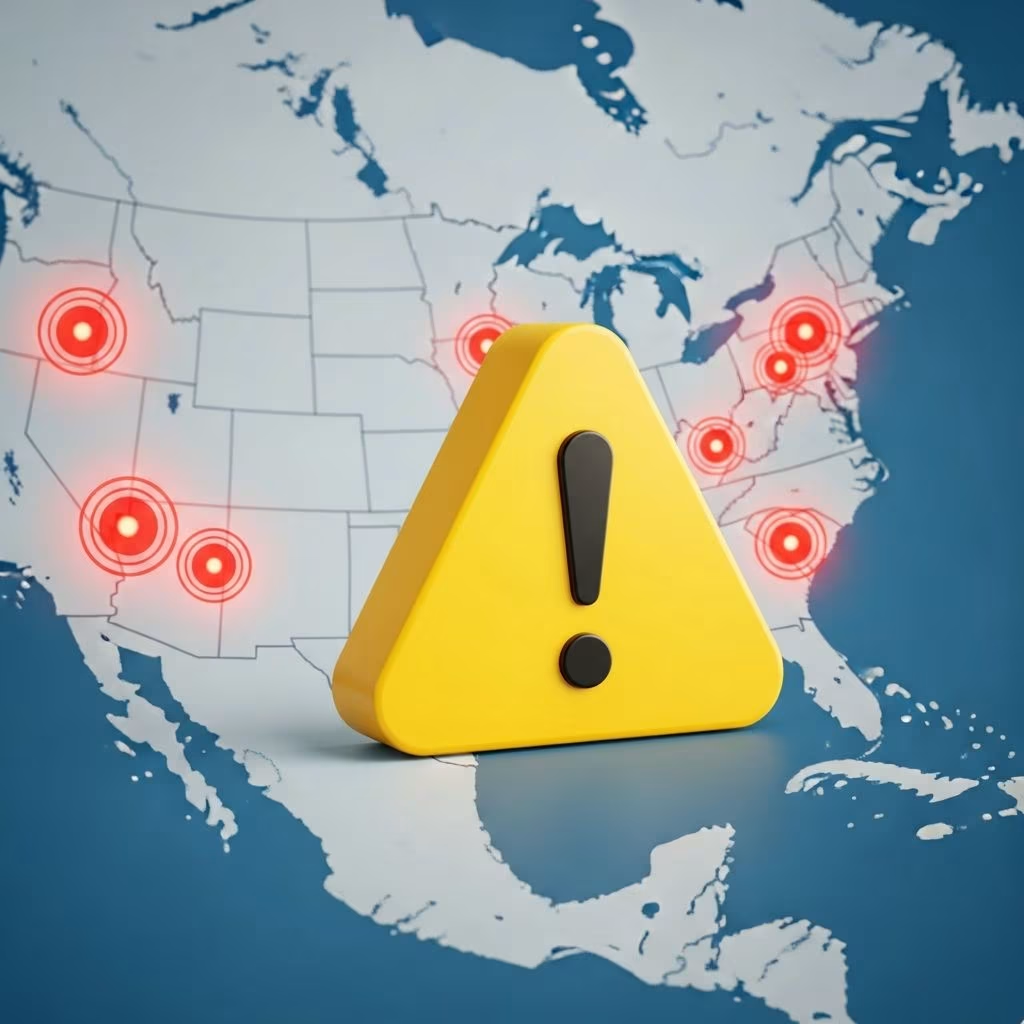
International travelers heading to the United States face a range of safety challenges, from urban crime to natural disasters and health concerns. Official advisories from governments worldwide urge caution, emphasizing vigilance in crowded areas, border regions, and during extreme weather events. This guide draws from authoritative sources to outline key risks and provide actionable strategies for safe travel.
Government travel advisories offer critical insights into the current safety landscape. The U.S. State Department maintains a Level 1 advisory for most of the country, recommending normal precautions, but specific regions warrant heightened awareness. Similarly, Australia’s Smartraveller advises exercising normal safety precautions overall, while highlighting localized threats like civil unrest. Canada’s advisory details petty crime in tourist hubs and elevated risks near the Mexico border.
The UK’s Foreign, Commonwealth & Development Office stresses that while violent crime rarely impacts tourists, precautions are essential in unfamiliar areas. These assessments consider factors like crime rates, terrorism threats, civil unrest, health crises, and natural disasters, helping travelers make informed decisions.
Petty theft, such as pickpocketing and bag snatching, is common in urban centers and popular attractions. Thieves often target distracted visitors exiting airports or hotels. Highway scams pose another danger, where criminals fake vehicle issues to lure drivers to the roadside, then steal valuables.
Violent crime, including gun incidents, is lower for tourists but rises in quieter neighborhoods. Drink spiking occurs in nightlife spots, and kidnappings, though rare for foreigners, happen amid organized crime.
Terrorism remains a persistent concern, with attacks possible at any time targeting transportation hubs, tourist sites, public gatherings, and government buildings. The U.S. State Department issued a worldwide caution on March 22, 2026, advising increased vigilance globally, especially amid tensions involving groups supportive of Iran that may target U.S. interests.
Civil unrest, including protests, can disrupt travel and turn violent. Demonstrations often occur in major cities, blocking roads or affecting public transport. Travelers should monitor local news and avoid crowds.
| Risk Type | Potential Targets | Advisory Level |
|---|---|---|
| Terrorism | Airports, malls, events | High likelihood |
| Civil Unrest | City centers, protests | Monitor locally |
| Violent Crime | Quiet streets at night | Exercise caution |
The USA’s diverse geography exposes travelers to severe weather. The Atlantic hurricane season, peaking June to November, brings above-normal activity risks, causing flight delays, evacuations, and infrastructure damage. Flash floods from heavy rains can isolate areas quickly.
Mountainous and desert regions face blizzards, wildfires, and heatwaves. NOAA forecasts guide preparations, urging checks on weather apps before long drives. In emergencies, follow FEMA evacuation orders and local alerts.
Health risks include mosquito-borne illnesses like Zika in southern states. Pregnant travelers should consult doctors and use repellents rigorously. Hepatitis B, influenza, and rabies require vaccinations or precautions; get flu shots two weeks pre-travel.
Avian influenza cases appear sporadically, mainly from animal contact. Avoid wet markets, undercooked meat, and wildlife in rural areas. COVID-19 measures persist: masks in crowds, hand hygiene, and isolation if symptomatic.
For adventure activities like hiking or heli-skiing, hire reputable guides, buy evacuation insurance, and stick to marked trails.
Airports enforce strict TSA screenings; check guidelines and contact TSA Cares for assistance. Driving demands caution: verify weather, avoid night travel in remote areas, and call 911 for emergencies.
Cybersecurity threats rise with public Wi-Fi; use VPNs and avoid sharing personal data. In medical crises, dial 911 for ambulances or police.
| Region | Main Risks | Safety Tips |
|---|---|---|
| Urban Centers (NYC, LA) | Petty crime, terrorism | Stay aware, use rideshares at night |
| Mexico Border States | Drug violence | Daytime official crossings only |
| Gulf Coast | Hurricanes, floods | Track NOAA updates |
| Mountains/Wilderness | Weather, wildlife | Guided tours, insurance |
Yes, with precautions. Most areas are Level 1, but monitor advisories for crime and weather.
Use official crossings, travel by day, and stay vigilant against trafficking violence.
Check NOAA and FEMA sites, follow evacuations, and confirm flight status.
Flu, Hepatitis B recommended; consult for Zika if pregnant.
Evacuate calmly, follow local authorities, and shelter if advised.
Enroll in programs like STEP for U.S. alerts, buy comprehensive insurance covering evacuations, and share itineraries. Apps from NOAA, FEMA, and TSA provide real-time updates. By prioritizing these steps, travelers can enjoy the USA’s attractions while minimizing risks.
