
 Stays
StaysStays
Utah Ski Resorts Guide: 15 Mountains, Best Areas, and Planning Tips
Discover Utah's 15 ski resorts spanning northern canyons, central mountains, and southern red rock terrain, each offering unique experiences for all skill levels.
 Stays
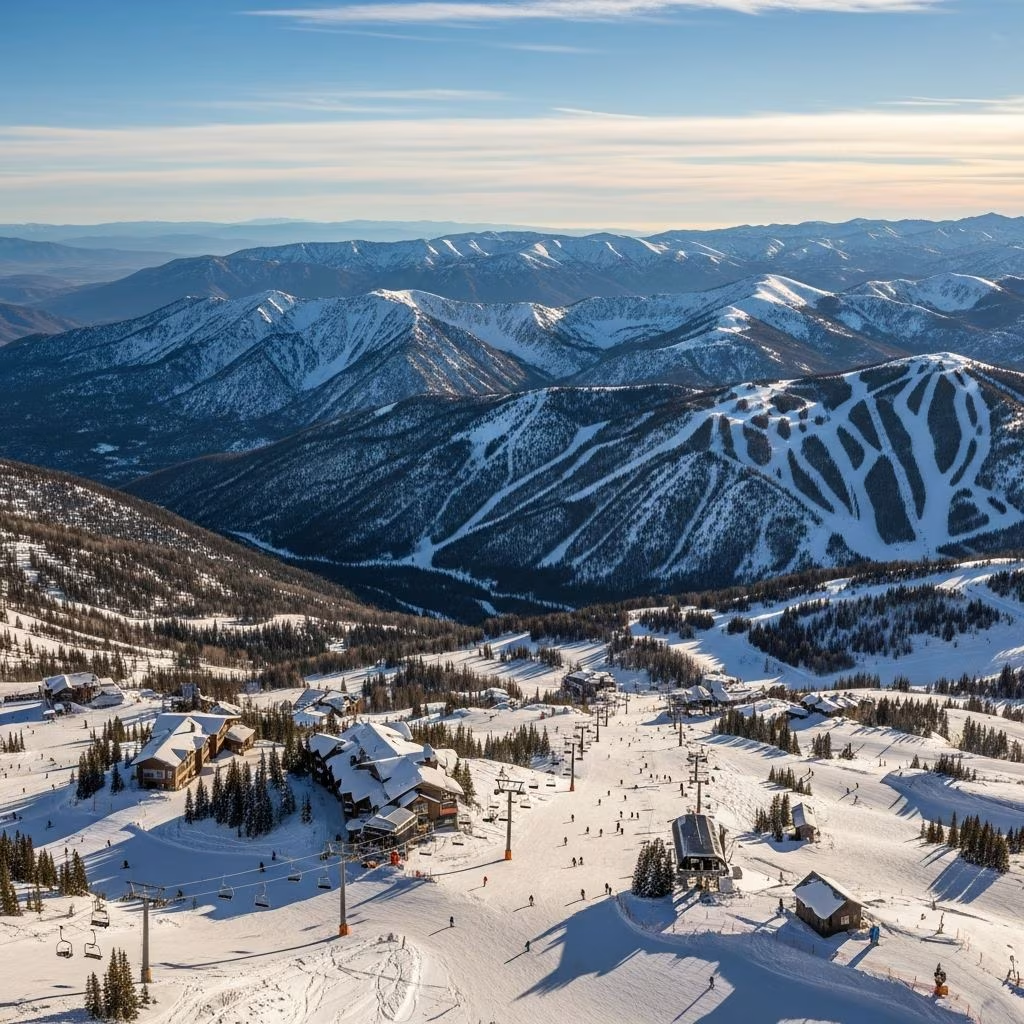
StaysUtah has established itself as a premier winter sports destination, with 15 distinct ski resorts distributed across the state’s diverse mountain landscape. The concentration of world-class skiing opportunities, combined with convenient accessibility from major population centers, makes Utah an ideal choice for both casual skiers and advanced riders. This comprehensive guide explores the geographic distribution, terrain characteristics, and planning considerations that make Utah’s ski regions unique.
The Wasatch Front: Gateway to Salt Lake City Skiing
The northern region of Utah, anchored by Salt Lake City, hosts 10 ski resorts within an hour’s drive of the city. This concentration creates unprecedented flexibility for winter vacationers, allowing visitors to access multiple mountains without lengthy commutes. The accessibility has transformed Salt Lake City into a vibrant ski town during winter months, with the nearby Wasatch Mountains providing dramatic vertical terrain and abundant snowfall.
The Salt Lake City resorts share distinctive characteristics shaped by their canyon locations. These mountains rise from steep, narrow valleys with spectacular views overlooking the Salt Lake Valley. The geographical positioning creates natural snow-catching patterns, with weather systems depositing significant precipitation on the western-facing slopes.
Alta: Skiing’s Independent Spirit
Alta Ski Area stands as one of America’s oldest continuously operating ski mountains, having operated independently since 1938. This historic resort maintains a powder-skier philosophy, focusing exclusively on alpine skiing without snowboard terrain. With terrain designed for all ability levels, Alta serves as a beginner-friendly option alongside advanced tree skiing. The resort’s commitment to preserving its character while offering modern amenities attracts skiers seeking authentic mountain experiences without corporate resort infrastructure.
Snowbird: Luxury Meets Vertical Challenge
Snowbird represents the opposite end of the resort spectrum from Alta, despite their proximity in Little Cottonwood Canyon. While sharing similar terrain access, Snowbird distinguishes itself through comprehensive resort amenities. The mountain features a vertical drop of 3,000 feet, peak elevation of 11,000 feet, and more than 500 inches of annual snowfall covering 2,000 acres. These statistics translate to consistently deep powder and extended runs that challenge even experienced skiers.
The resort caters to professionals and advanced riders seeking steep terrain and sophisticated mountain dining. Snowbird’s full-service offerings—including upscale restaurants, retail shops, and luxury lodging—create a complete mountain destination experience, distinguishing it from smaller regional competitors.
Park City: America’s Largest Ski Resort
Park City Mountain Resort holds the distinction of being America’s largest lift-served ski resort, spanning over 7,300 acres. This expansive terrain provides unmatched variety, with more than 300 trails distributed across 38 lifts, seven terrain parks, 14 bowls, and multiple half-pipes. The scale of Park City ensures consistent skiing opportunities even during peak season, as the vast acreage distributes visitor traffic across numerous zones.
The resort’s terrain breakdown accommodates all skill progressions, from beginner learning areas to expert-only bowls. The two distinct base areas provide flexibility for multi-day visits, allowing skiers to explore different mountain sections. Located just 35 minutes from Salt Lake City International Airport, Park City serves as the primary destination for many visitors, with the adjacent historic Park City town offering dining, lodging, and entertainment options that extend beyond mountain activities.
Deer Valley: Grooming Excellence and Premium Positioning
Deer Valley Resort distinguishes itself through meticulous slope maintenance and premium service standards. The resort is known for exceptional ski school programs and best-in-class grooming, creating ideal conditions for intermediate skiers seeking well-maintained runs. The emphasis on groomed terrain contrasts with resorts prioritizing off-piste exploration, appealing to visitors seeking predictable, manicured skiing experiences.
Importantly, Deer Valley operates as a ski-only resort, maintaining a policy against snowboarding. This decision preserves a particular skiing culture and prevents the freestyle terrain features typically associated with snowboard-friendly mountains. The resort’s high-quality dining options and luxury lodging complete its positioning as Utah’s most upscale skiing destination.
Brighton and Solitude: Value-Focused Alternatives
Brighton and Solitude represent the most economical skiing options within the Salt Lake City region. Brighton has earned recognition as the best value-for-money ski resort in Utah, while remaining beginner-friendly and offering excellent terrain park facilities. The resort’s moderate pricing allows frequent skiing visits within reasonable budgets.
Solitude Mountain Resort similarly serves intermediate and beginner skiers with beginner-friendly terrain classifications. Both resorts operate independently of mega-resort corporations, maintaining smaller-scale operations that contrast with Park City’s sprawl. Their positioning in Big Cottonwood Canyon places them 20-30 minutes from Salt Lake City, making them convenient for day trips.
Northern Utah’s Hidden Gems: Powder Mountain and Snowbasin
Beyond the immediate Salt Lake City vicinity, northern Utah hosts specialized resorts catering to specific skiing preferences. These mountains occupy the Ogden Valley region, approximately 45 minutes to an hour from Salt Lake City.
Powder Mountain: Uncrowded Terrain Philosophy
Powder Mountain embraces a deliberate philosophy of restraint, limiting daily visitor numbers to preserve slope conditions. The resort markets itself on the statistic that skiers may encounter only one other person per two acres of terrain. This approach creates fundamentally different skiing experiences compared to capacity-focused resorts, prioritizing terrain preservation and solitude.
The mountain offers abundant groomed trails alongside powder runs, combining manicured ease with challenging untracked snow exploration. Cat skiing services provide backcountry access without helicopter requirements, expanding terrain options for adventurous visitors. Affordable lift ticket pricing and family-oriented policies make Powder Mountain particularly attractive to regional skiers seeking alternatives to crowded destinations.
Snowbasin: Olympic Legacy and Luxe Day Lodges
Snowbasin carries distinction as an Olympic-quality downhill venue, having hosted 2002 Winter Olympic competitions. This heritage shaped the resort’s infrastructure and design philosophy. The mountain features luxe day lodges and high-end dining options, combined with gondola access that provides alternative ascent options to traditional chairlifts.
The Olympic heritage translates to groomed runs designed for high-speed skiing and carving, attractying intermediate and advanced visitors seeking smooth, fast terrain. The gondola access and sophisticated base facilities create full-service destination appeal, though with a different character than Park City’s sprawl.
Beaver Mountain: Family-Oriented Operations
Located in northern Utah near Logan, Beaver Mountain maintains a deliberately family-focused operational philosophy. The resort is family owned, family operated, and family oriented, reflecting its positioning as an accessible mountain for intergenerational skiing groups. This approach emphasizes affordability, beginner terrain, and welcoming atmospheres over extreme terrain or elite dining experiences.
The Ogden Valley Expanse: Diverse Terrain Options
The broader Ogden Valley region encompasses multiple resorts within relatively close proximity, creating opportunities for multi-day regional exploration. Beyond Powder Mountain and Snowbasin, the valley offers additional options supporting varied skill levels and preferences.
Nordic Valley Resort provides specialized cross-country skiing and snowshoeing options alongside limited alpine terrain, serving visitors seeking alternative winter sports. Cherry Peak offers beginner-focused programming, while Eagle Point (technically positioned in Central Utah) provides uncrowded terrain with beautiful views over the Tushar Mountains.
Central Utah’s Distributed Mountains: Provo Area Alternatives
Beyond the Salt Lake City concentration, central Utah hosts specialized resorts serving the Provo metropolitan area and surrounding regions. Sundance Mountain Resort, created by actor Robert Redford, emphasizes discovery and adventure within a mountain setting. The resort balances skiing with broader mountain recreation, attracting visitors seeking holistic mountain experiences rather than pure skiing focus.
Eagle Point Resort offers dynamic terrain mixing beginner, intermediate, and expert runs alongside terrain parks and backcountry opportunities. The family-friendly pricing structure appeals to budget-conscious visitors, while the Tushar Mountain views create scenic appeal distinct from Wasatch Front resorts.
Southern Utah’s Desert Skiing: Red Rock Terrain
Southern Utah introduces dramatically different skiing landscapes, trading Wasatch Mountain forests for red rock desert aesthetics. Brian Head Resort, located three hours from Las Vegas, occupies this unique geographic position. The mountain offers skiing in desert red rock settings, creating visual experiences unavailable at northern Utah destinations.
Brian Head combines great snow, great prices, and uncrowded slopes, positioning it as an accessible southern alternative for budget-conscious visitors. The southern location and proximity to Las Vegas create opportunities for mixed vacations combining skiing with desert attractions. Peak elevations reaching into high-altitude zones capture meaningful snowfall despite the desert setting.
Planning Multi-Resort Experiences
Utah’s resort distribution enables strategic planning for multi-mountain vacations. The concentration of 10 resorts within an hour of Salt Lake City supports rotating daily visits across different mountains during week-long trips. Basecamp options in Salt Lake City, Park City, Ogden, Heber Valley, and Provo provide diverse accommodation strategies.
Visitors can adopt day-trip approaches, skiing different resorts while maintaining consistent lodging, or pursue mountain-based stays with skiing focus on single or nearby mountains. Many resorts offer trip packages bundling lift passes with lodging, simplifying logistics. The accessibility of ski-in/ski-out accommodation at most area resorts eliminates reliance on vehicle transportation between lodging and slopes.
Terrain Classification and Skill Matching
Utah’s resorts collectively serve all experience levels through strategic terrain distribution. Beginner-friendly options include Alta, Snowbird, Beaver Mountain, Brian Head, Powder Mountain, Brighton, Snowbasin, Cherry Peak, Solitude, Deer Valley, Eagle Point, Nordic Valley, and Park City. This comprehensive beginner access ensures first-time visitors can find appropriate terrain regardless of chosen resort.
Intermediate terrain dominates across resorts, with groomed runs available at nearly every mountain. Advanced skiers and riders requiring steep terrain, moguls, and tree skiing concentrate at Snowbird, Alta, and specialized terrain parks at Brighton and Park City. Backcountry access options expand terrain possibilities beyond ski area boundaries for experienced powder enthusiasts.
Mountain Statistics and Comparison Framework
| Resort Characteristic | Key Metrics |
|---|---|
| Total Utah Ski Terrain | 1,117 kilometres of slopes |
| Lift Infrastructure | 188 ski lifts statewide |
| Largest Single Resort | Park City: 7,300 acres, 300+ trails |
| Highest Peak | Snowbird: 11,000 feet elevation |
| Maximum Vertical | Snowbird: 3,000 feet drop |
| Annual Snowfall | Snowbird: 500+ inches |
| Salt Lake City Access | 10 resorts within 1 hour |
Frequently Asked Questions
How many ski resorts operate in Utah?
Utah operates 15 ski resorts statewide, with significant geographic distribution across northern, central, and southern regions. This count represents Utah’s official resort count, though additional backcountry and cat-skiing operations supplement traditional resort skiing.
Which resort should I choose as a beginner?
Multiple beginner-appropriate options exist, with Brighton and Solitude offering excellent value pricing and terrain parks suitable for progression. Deer Valley provides premium instruction facilities, while smaller resorts like Beaver Mountain emphasize family accessibility. Beginner selection should match budget, desired amenities, and proximity to your basecamp.
Can I visit multiple resorts during a single trip?
Absolutely. The Salt Lake City region’s 10 proximate resorts support multi-resort exploration. Many visitors coordinate daily visits to different mountains while maintaining single lodging locations. Travel time between adjacent resorts rarely exceeds 30 minutes, enabling efficient multi-mountain experiences.
What makes Utah skiing distinctive compared to other western states?
Utah’s combination of extraordinary annual snowfall, convenient clustering near major airports, diverse terrain options, and varied price points creates unmatched skiing accessibility. The concentration of resorts near Salt Lake City International Airport (most within 35-45 minutes) exceeds other western regions’ airport-to-slope convenience.
Are ski-in/ski-out accommodations available?
Yes. Most Utah area resorts offer ski-in/ski-out or village-adjacent lodging properties. These options range from budget hotels to luxury mountain residences, accommodating diverse vacation styles and budget constraints.
Conclusion: Utah’s Comprehensive Skiing Landscape
Utah’s 15 ski resorts represent one of North America’s most comprehensive winter sports destinations. The geographic diversity—from Wasatch Front canyons to red rock desert terrain—ensures varied experiences across multiple visits. Strategic distribution near major population centers removes obstacles to regular skiing participation, making Utah an accessible option for regional and national visitors. Whether prioritizing budget considerations, terrain challenges, resort amenities, or crowding preferences, Utah’s resort diversity ensures matching opportunities for every visitor profile.
References
- Top Rated Ski Resorts in Utah — OnTheSnow.com. 2026. https://www.onthesnow.com/utah/ski-resorts
- Ski resorts Utah – skiing in Utah — Skiresort.info. 2026. https://www.skiresort.info/ski-resorts/utah/
- Utah Ski Resorts — Utah Ski and Snowboard Association. 2026. https://www.skiutah.com/members/listing/type/Resort
- Utah Ski Resorts [25/26 Season Updates] — Visit Utah. 2026. https://www.visitutah.com/places-to-go/utah-ski-resorts
- Utah’s Guide to Ski Vacation Planning — Utah Skiing.org. 2026. https://www.utahskiing.org
- Utah Ski and Snowboard Resorts — Utah.com. 2026. https://www.utah.com/destinations/ski-resorts/
- Utah Skiing | Map, Reviews — Powderhounds. 2026. https://www.powderhounds.com/USA/Utah.aspx
On This Page
The Wasatch Front: Gateway to Salt Lake City Skiing Northern Utah's Hidden Gems: Powder Mountain and Snowbasin The Ogden Valley Expanse: Diverse Terrain Options Central Utah's Distributed Mountains: Provo Area Alternatives Southern Utah's Desert Skiing: Red Rock Terrain Planning Multi-Resort Experiences Terrain Classification and Skill Matching Mountain Statistics and Comparison Framework Frequently Asked Questions Conclusion: Utah's Comprehensive Skiing Landscape← Previous
Cruise vs. All-Inclusive Resort: Which Vacation Is Right for You?
Next →
PGA West La Quinta: Courses, Stay-and-Play, and Golf Resort Guide
Related Reading