

 Travel Essentials
 Travel Essentials

Explore rankings and in-depth guides to Utah's five iconic national parks: Arches, Bryce Canyon, Canyonlands, Capitol Reef, and Zion. Find top hikes, tips, and why each stands out.
 Travel Essentials
Utah boasts five extraordinary national parks known collectively as the Mighty 5, each offering unique geological wonders carved by millions of years of erosion, wind, and water. These parks—Arches, Bryce Canyon, Canyonlands, Capitol Reef, and Zion—draw millions of visitors annually for their dramatic red rock formations, vast canyons, and diverse outdoor activities. This guide ranks them based on factors like visual impact, hiking variety, accessibility, crowd levels, and overall visitor satisfaction, drawing from traveler experiences and official insights. Whether you’re planning a road trip or seeking the best spot for solitude, here’s everything you need to know to prioritize your visit.
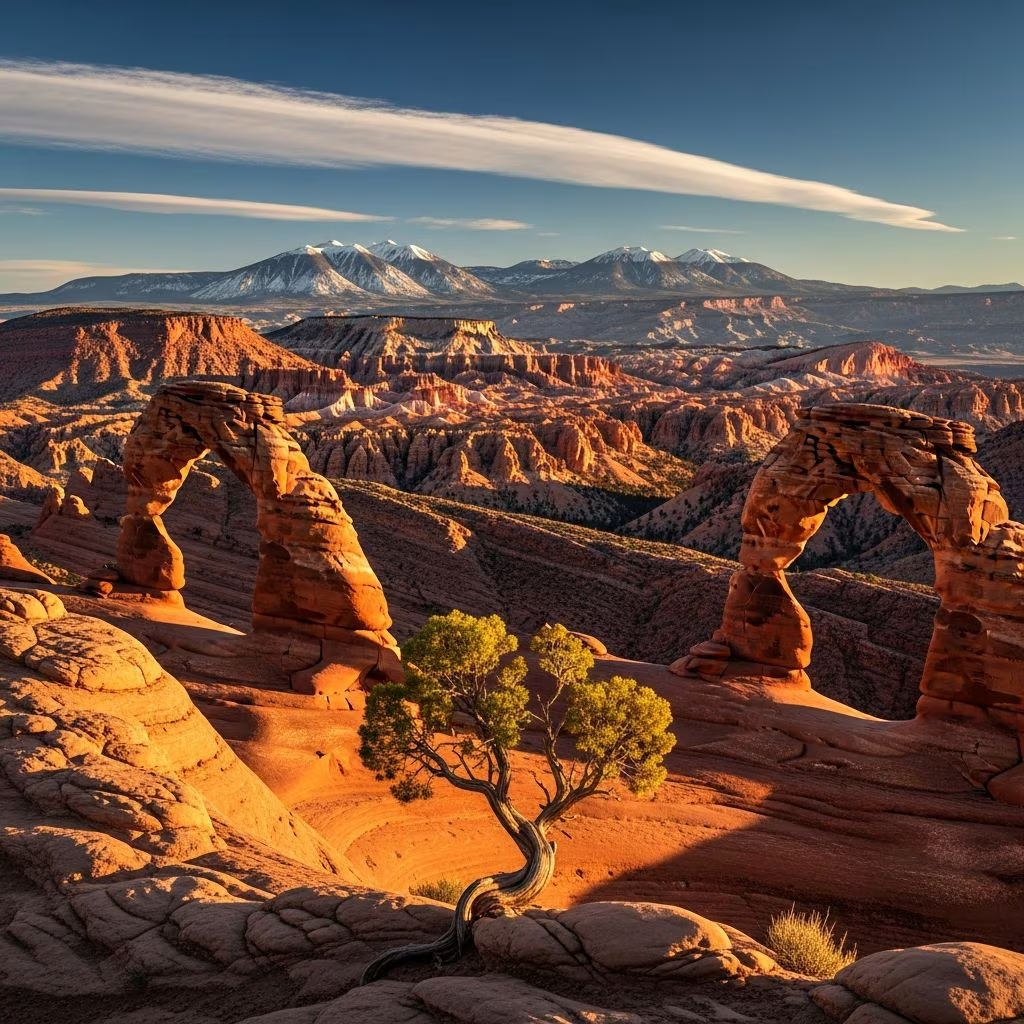
The state’s parks are concentrated in the south, making them ideal for a scenic road trip from hubs like Salt Lake City or Las Vegas. Arches National Park alone features over 2,000 natural stone arches, the highest density anywhere on Earth, showcasing nature’s architectural mastery. Bryce Canyon’s hoodoos—tall, thin spires of rock—create an otherworldly amphitheater unlike anywhere else. Canyonlands offers expansive views into a rugged wilderness split by rivers, while Capitol Reef blends canyons with historic orchards, and Zion impresses with towering sandstone cliffs and river-carved slots. Entry fees are $30 per vehicle, but an $80 America the Beautiful pass grants access to all for a year, a smart investment for multi-park explorers.
Rankings are subjective, influenced by criteria such as ‘wow’ factor (visual drama), trail diversity, crowd density, ease of access, and unique features. Bryce Canyon often tops lists for its accessibility and surreal hoodoos, scoring high in nearly every category. Capitol Reef emerges as a favorite for those craving fewer crowds and rich history. Here’s our comprehensive ranking, with detailed breakdowns for each park.
Claiming the top spot, Bryce Canyon stuns with its vibrant amphitheaters filled with thousands of hoodoos, delicate rock spires glowing in hues of orange, pink, and red at sunrise or sunset. Unlike a true canyon, it’s a series of natural bowls eroded into the Paunsaugunt Plateau, offering viewpoints accessible by car or short walks. Perfect scores in accessibility and visual impact make it ideal for all ages, though summer crowds deduct minor points.
Hiking trails vary from beginner-friendly boardwalks to strenuous descents totaling 1,200 feet elevation change, rewarding adventurers with immersive scenery.
A hidden treasure in south-central Utah, Capitol Reef combines sheer cliffs, colorful domes, and petrified forests with a pioneering past. It’s less visited, providing peaceful exploration amid orchards planted by early Mormon settlers—pick fresh fruit in season. Diverse landscapes include slot canyons, bridges, and the Waterpocket Fold, a 100-mile warp in the earth’s crust.
Favored by repeat visitors for its variety and tranquility, it’s the top pick for those prioritizing solitude over hype.
Zion’s massive sandstone monoliths and the Virgin River’s narrows define this park, where hanging gardens cling to sheer walls. The main canyon floor is car-free in peak season, with free shuttles enhancing the experience. Iconic Angels Landing requires a permit and chains for vertigo-inducing thrills.
Its dramatic scale and water features set it apart, though high crowds require early starts.
Home to Delicate Arch—Utah’s enduring symbol—and Balanced Rock, this park packs over 2,000 arches into a compact area. Fiery Furnace offers guided chaos through fins and spires, but timed entry limits access.
Breathtaking despite busyness, it’s a bucket-list essential.
Spanning 337,000 acres, Canyonlands feels infinite, divided into Island in the Sky (rim views), The Needles (colorful spires), and The Maze (remote backcountry). Rivers carve the deepest features, offering unparalleled scale.
Its immensity rewards patient explorers, ranking high for adventurers.
A loop connecting all five covers 400-500 miles, best in 7-10 days. Start in Zion or Arches depending on your entry point. Campgrounds fill fast—reserve via recreation.gov. Hydrate aggressively; elevations range 4,000-9,000 feet. Respect Leave No Trace principles to preserve these treasures.
| Park | Entry Fee | Best Hike | Crowd Level | Wow Factor |
|---|---|---|---|---|
| Bryce Canyon | $35/vehicle | Navajo Loop | Medium | 5/5 |
| Capitol Reef | $20/vehicle | Hickman Bridge | Low | 4/5 |
| Zion | $35/vehicle | Angels Landing | High | 5/5 |
| Arches | $30/vehicle | Delicate Arch | High | 5/5 |
| Canyonlands | $30/vehicle | Mesa Arch | Low-Medium | 4/5 |
Capitol Reef consistently sees the fewest visitors, ideal for a quiet escape.
Yes, the $80 annual pass covers entry to all U.S. national parks.
Zion → Bryce → Capitol Reef → Arches → Canyonlands, or reverse for efficiency.
Arches and Angels Landing in Zion often require timed entry or permits—check nps.gov.
Possible with a fast-paced itinerary, but 10 days allows deeper exploration.
Pack layers for temperature swings, sun protection, and at least 1 gallon of water per person daily. Cell service is spotty—download offline maps. Nearby towns like Moab (Arches/Canyonlands) and Springdale (Zion) offer gear rentals and guides. Support local by dining on regional cuisine like Navajo tacos. These parks aren’t just destinations; they’re transformative journeys into America’s wild heart.
