

 Travel Essentials
 Travel Essentials

This article delves into vaccine tourism, its rise during the pandemic, ethical concerns like equity and resource diversion, and long-term implications for public health worldwide.
 Travel Essentials
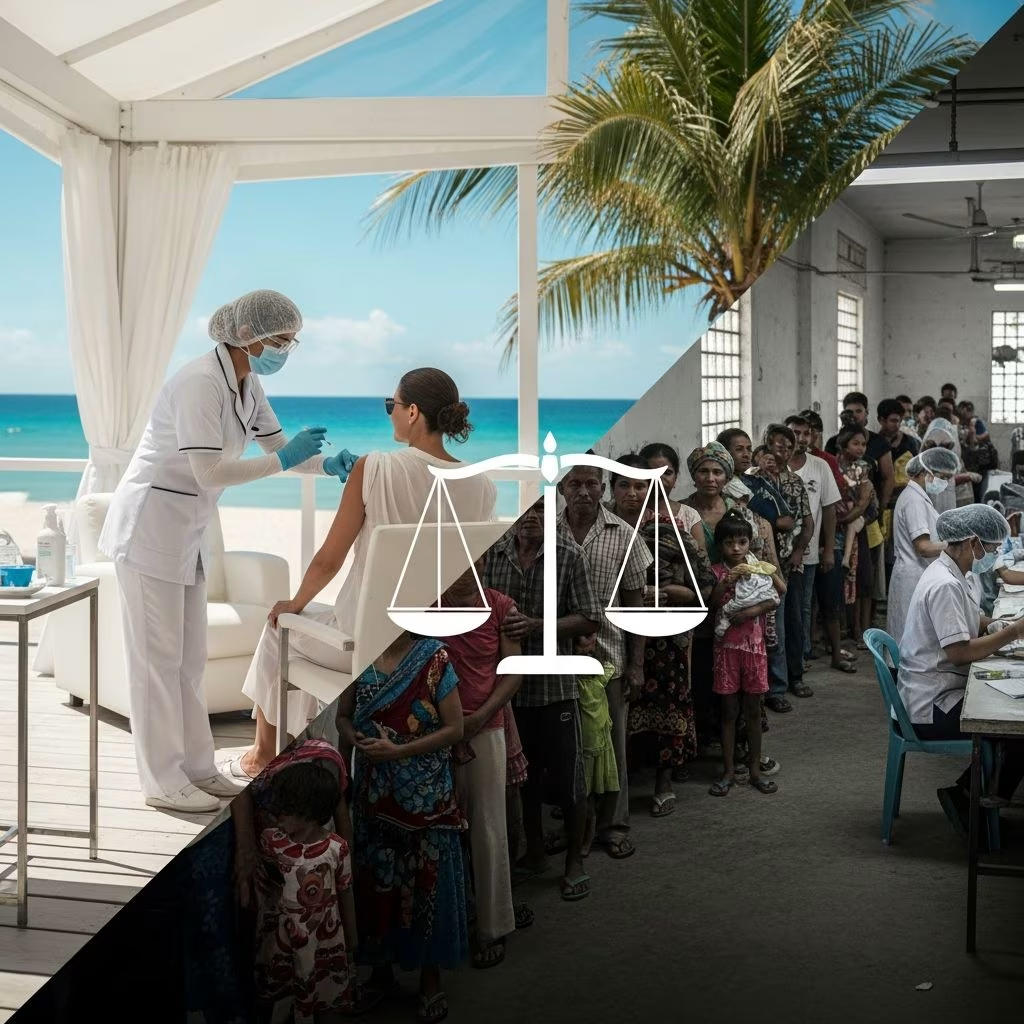
During the height of the COVID-19 pandemic, a new travel trend emerged: vaccine tourism. Affluent individuals from countries with limited vaccine access journeyed to destinations offering quicker or easier shots, sparking intense ethical debates. This practice highlighted stark global disparities in healthcare resources and raised questions about fairness in public health efforts.
Vaccine tourism refers to the act of crossing borders specifically to receive vaccinations unavailable or delayed at home. In the early rollout phases of COVID-19 vaccines, places like the United States, Mexico, and the United Arab Emirates became hotspots. Travelers from Europe, Latin America, and elsewhere booked flights and hotels bundled with vaccination appointments, turning medical necessity into a leisure pursuit.
This phenomenon was fueled by uneven distribution. While wealthier nations hoarded supplies, poorer ones waited months. For instance, some agencies marketed packages including flights, lodging, and jabs, catering to those who could afford to bypass domestic queues.
The concept isn’t entirely novel. Medical tourism has long drawn patients to countries with cheaper surgeries or advanced treatments. Vaccine tourism amplified this during the crisis, driven by urgency. High-income earners, frustrated by waitlists, sought efficiency abroad. In the U.S., no residency requirements for vaccines—intended to boost uptake among underserved groups—unintentionally enabled foreigners to participate.
Critics argue vaccine tourism undermines collective well-being. Ethicists like Dr. Arthur Caplan from NYU’s Division of Medical Ethics contend it equates to queue-jumping, displacing locals who need protection most. By taking doses from strained supplies, tourists exacerbate shortages for vulnerable residents.
“You’re doing something unethical if you’re pushing somebody out of the line in order to get to the head of the line.” – Dr. Arthur Caplan
Equity issues loom large. This practice privileges the wealthy, widening gaps between socioeconomic classes and nations. Those unable to travel—due to cost, mobility, or visa restrictions—remain exposed longer.
Host nations face tangible burdens. Clinics in Florida and Tijuana reported influxes straining infrastructure. Argentina saw nationals return from Miami vaccinated, while locals queued endlessly. Such dynamics foster resentment and logistical chaos.
| Destination | Challenges Faced | Reported Incidents |
|---|---|---|
| United States (Florida) | Overcrowded sites, supply diversion | Celebrities and foreigners vaccinated amid local waits |
| Mexico (Tijuana) | Cross-border rushes | Canadians and Americans seeking shots |
| UAE/Dubai | Tourism packages | Marketing to Europeans |
Beyond logistics, there’s risk of side effects. Foreign certificates might not integrate with home health systems, complicating care for adverse reactions.
Leading figures decry the trend. Ezekiel J. Emanuel, Professor of Medical Ethics at the University of Pennsylvania, calls it a reward for the privileged: “Vaccine tourism is bad because it rewards the well-off who can afford to fly and travel.”
The CDC’s policy of no citizenship checks aimed at domestic equity but enabled inequities abroad. Globally, the WHO advocated for equitable distribution via COVAX, yet tourism bypassed these efforts.
Legality varies. No federal U.S. bans existed, but states like Florida debated restrictions. Internationally, some nations tightened rules post-backlash. Ambiguity persists: is it exploitation or personal prerogative?
Defenders claim minimal harm in surplus scenarios. If a country vaccinates all residents first, extras could go to tourists without displacement. However, ethicists caution even then, it sets poor precedents and ignores global needs.
Personal protection arguments falter against communal duty. Skipping lines risks lives: a tourist’s shot might deny one to an elderly worker.
Vaccine tourism exposed COVAX flaws, where rich nations secured billions of doses while Africa lagged. By 2022, low-income countries had under 25% coverage versus 80% in high-income ones. Tourism diverted resources, delaying herd immunity worldwide and prolonging variants.
Post-pandemic, lessons inform future crises. Strengthening supply chains and treaties could prevent repeats.
Paradoxically, tourism intersects with hesitancy. Studies show travel desires boost uptake—promises of open borders motivated shots. Yet, tourists often bypassed education, grabbing jabs opportunistically.
Ethical paths exist:
By 2023, as boosters normalized and access equalized, vaccine tourism waned. Yet, for mpox or future threats, echoes may return. Travelers must weigh ethics against convenience.
No universal ban exists; it depends on local rules. Many places allowed it during COVID-19 peaks.
It hurts by diverting doses from needy locals, per experts.
Yes: unrecognized certificates, side-effect care issues, and travel exposures.
Donate vaccines, volunteer abroad, or vaccinate locally first.
Possibly, without stronger equity mechanisms.
