

 Travel Essentials
 Travel Essentials

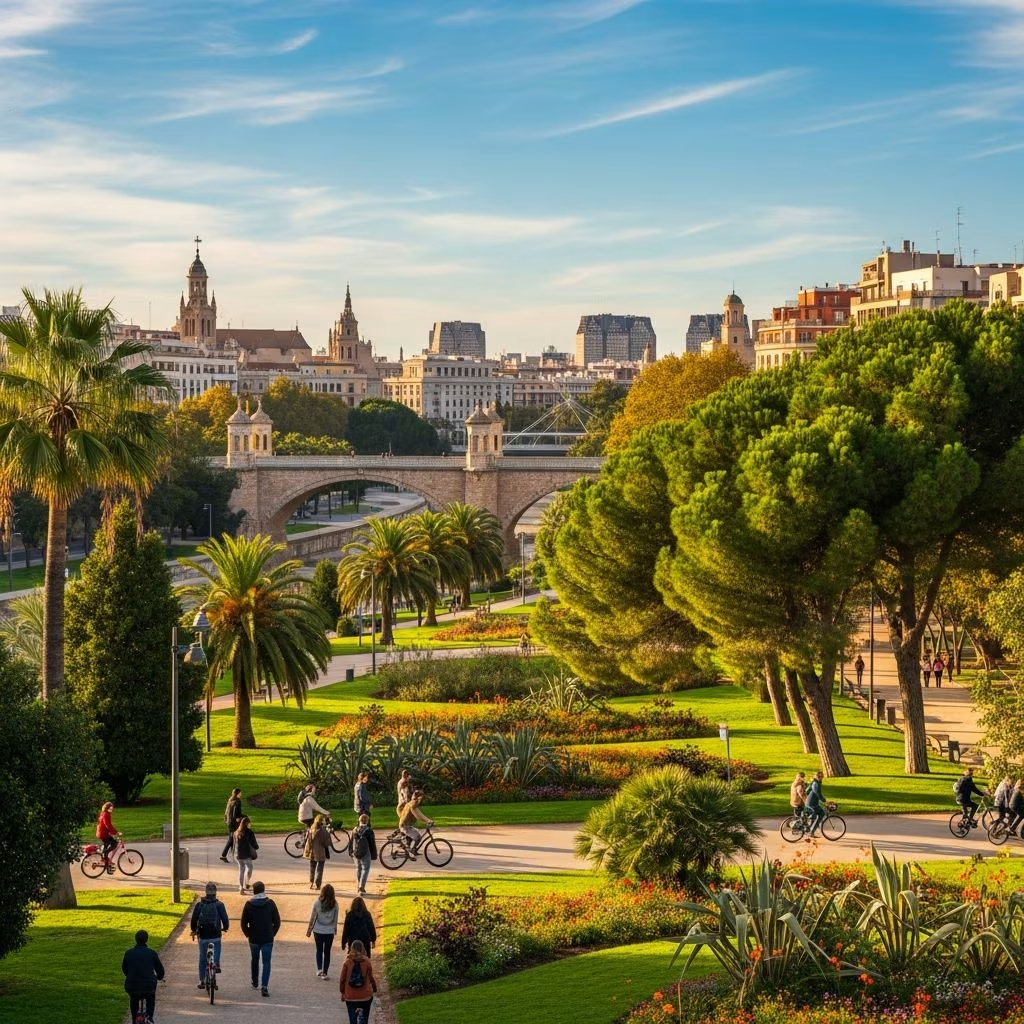
Explore Valencia's premier parks like Turia Gardens and Parque Central, transformed from rivers and railways into vibrant green spaces perfect for relaxation and recreation.
 Travel Essentials
Valencia, Spain’s third-largest city, has masterfully woven nature into its urban fabric, earning accolades as one of Europe’s greenest capitals. With 97% of its 837,000 residents living within 300 meters of green areas, the city’s parks serve as vital lungs, fostering well-being and community. These spaces, born from historical ingenuity and modern vision, transform former rivers, railways, and forgotten corners into thriving havens for locals and visitors alike.
At the heart of Valencia’s green identity lies Jardín del Turia, a monumental 9-kilometer linear park carved from the old riverbed of the Río Turia. After a catastrophic flood in 1957 devastated the city, authorities diverted the river southward via the “Plan Sur” completed in 1969, leaving a vast dry expanse. Rather than succumbing to the era’s car-centric trends by building a highway, visionary planners opted for greenery, creating Spain’s largest urban park spanning over 450 acres.
This emerald ribbon stretches from the historic center to the Mediterranean Sea, averaging 600 feet wide with diverse zones showcasing architectural brilliance. Palm trees, pines, oleanders, orange blossoms, and bougainvillea frame bike paths, meadows, fountains, and play areas. Key highlights include:
The park’s linear design maximizes accessibility, boosting economic vitality by connecting neighborhoods and drawing global tourists. It’s a testament to how crisis can birth enduring urban assets, impossible to imagine Valencia without today.
Beyond the grand scale of Turia, Valencia boasts intimate historic enclaves that whisper of centuries past. These 18th- to 20th-century public gardens retain original grandeur with sculptures, ancient trees, and shaded avenues designed for leisurely strolls.
| Garden/Plaza | Key Features | Historical Note |
|---|---|---|
| La Alameda & La Glorieta | Leafy avenues, fountains, monumental trees | Prime 19th-century strolling spots |
| El Parterre | Sculptures, quiet benches | Overlooks historic Viveros Gardens |
| Jardín Botánico | 16th-century roots, rare plants, botanical history | Relocated 1802; 19th-century teaching site |
| Plaza de la Virgen | Fountain with Río Turia figure and irrigation canals | Roman-era origins; social hub |
Jardín Botánico, tucked in the city center, traces to the 1500s and hosted botanical classes through the 1800s before revival efforts restored its leafy allure. Plaza de la Virgen, atmospheric and ancient, centers on a fountain symbolizing the river and eight canals that irrigated farmlands, drawing crowds under open skies. Other treasures like Las Alameditas de Serranos, Palau de la Generalitat gardens, and Neptuno gardens offer hidden courtyards and promenades blending heritage with nature.
Valencia’s commitment to green innovation shines in contemporary parks like Parque Central in Russafa barrio. Opened in phases since 2019, this 23-hectare (first phase 11.5 hectares) social hub unites neighborhoods split by old railway lines, following high-speed train burial underground. Funded by €73 million, it distills Valencian essence—water, food, Mediterranean flora—into interactive spaces.
Designed by Gustafson Porter + Bowman, it features multi-level gardens, repurposed rail buildings, art zones, sports fields, and event areas. Water pools, jets, and channels invite play, while native plants enhance ecology. Local materials like marble, granite, Calatorao limestone, and gravel paths ground it in regional identity. Ideal for picnics post-sightseeing, it balances peace with vibrancy.
Other modern parks expand the network: Marxalenes, La Rambleta, Malilla, Benicalap, Orriols, Cabecera—each weaving water features and native flora for relaxation. These spaces reimagine urban life, prioritizing sustainability and community.
Valencia’s green tapestry extends northward to the sea and hills. The Cabecera de Poyo zone links Turia to the marina, master-planned by Tomas Llavador Architects, blending park with waterfront vibes. Nearby, natural parks offer secluded beaches, stand-up paddleboarding in calm waters, and yoga amid dunes.
Further afield, mountains provide hiking trails and leafy bike paths, contrasting city buzz with wild beauty. Eastern Valencia, more modern, sprinkles parks amid skyscrapers, ensuring green access everywhere.
These green escapes elevate Valencia beyond paella and fallas festivals. They promote health—picnics under rubber trees with horchata, cycling Turia’s paths, or meditating in Hespérides-inspired citrus groves. Families thrive with playgrounds and events; couples find romantic nooks; adventurers tackle trails.
Sustainability drives design: native plants combat climate change, water elements cool urban heat, bike infra reduces cars. The city’s green capital status, after Tallinn and Grenoble, underscores decades of effort.
Jardín del Turia, at 9km long and over 450 acres, holds the title as Spain’s largest urban park.
Yes, it’s publicly accessible 24/7, with free facilities like paths and meadows.
By redeveloping a 66-hectare railway site into a contemporary park emphasizing water, culture, and ecology.
Yes, northern extensions connect to natural parks with secluded beaches and water sports.
Absolutely—Parque Central and Turia meadows are picnic havens with native shade.
Valencia’s parks evolve, promising more connections like Parque Central’s southern expansion. They embody resilient urban planning, turning adversity into assets that nurture body, mind, and city soul. Whether wandering historic plazas or splashing in modern fountains, these spaces invite all to breathe deeply in Spain’s greenest metropolis.
