

 Travel Essentials
 Travel Essentials

Explore Vanuatu's 80+ islands featuring exceptional diving sites, active volcanoes, traditional cultures, and untouched natural beauty perfect for adventure travelers.
 Travel Essentials
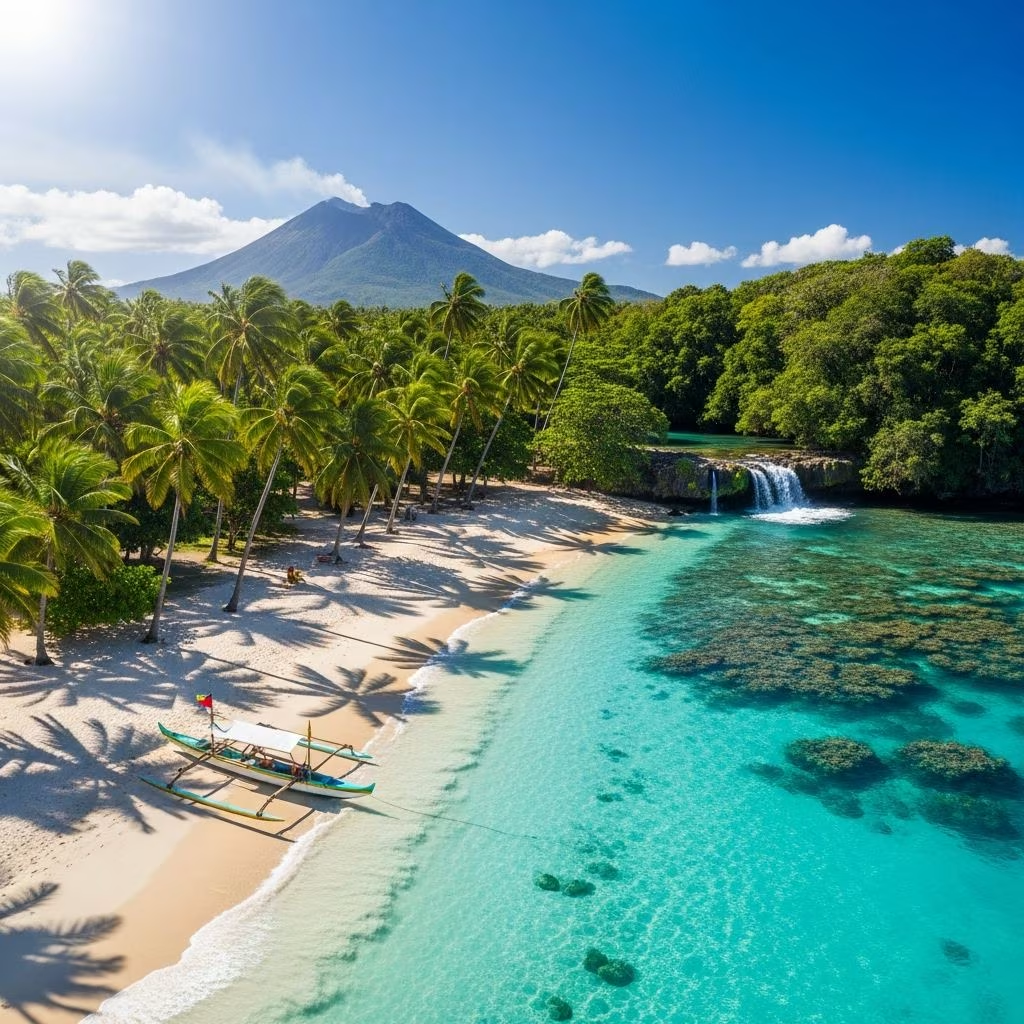
Nestled in the South Pacific, Vanuatu represents one of the final frontiers for travelers seeking authentic experiences away from mainstream tourism corridors. This archipelago of more than 80 islands offers a compelling blend of natural wonders, cultural authenticity, and adventure opportunities that appeal to diverse traveler preferences. Whether you’re drawn to underwater exploration, volcanic phenomena, or intimate encounters with traditional island communities, Vanuatu delivers experiences that remain largely unspoiled by commercial tourism development.
The nation’s strategic position in the South Pacific, combined with its relatively underdeveloped tourism infrastructure, creates an environment where visitors can engage with both the environment and local communities in meaningful ways. Most international travelers concentrate their time in Port Vila, the capital, or visit via cruise ship ports, leaving the broader archipelago accessible primarily to independent and adventure-focused travelers willing to venture beyond conventional tourist routes.
Vanuatu stretches across a vast maritime expanse in the South Pacific, with its islands forming a distinctive north-south chain. The archipelago’s volcanic origin shapes its dramatic landscape, featuring mountainous terrain, dense jungle vegetation, and a remarkable concentration of geothermal activity. This geological heritage creates both challenges and opportunities for visitors, from difficult terrain that requires serious preparation to extraordinary natural phenomena like active lava lakes.
The climate patterns significantly influence travel planning, as the archipelago experiences distinct seasonal variations. The optimal period for visiting extends from April through October, when conditions favor water-based activities and general exploration. During these months, the weather remains relatively dry with reduced humidity levels, and water visibility improves substantially for snorkeling and diving operations. This dry season aligns perfectly with the southern hemisphere’s cooler months, creating pleasant conditions for active pursuits across the islands.
Vanuatu’s reputation in diving circles stems from its exceptional underwater environments and unique geological features. The waters surrounding various islands contain pristine coral formations, intricate cave systems, and historically significant wreck sites that attract experienced divers and enthusiasts globally.
The most celebrated diving destination involves the SS President Coolidge, a massive passenger vessel that struck mines during World War II operations. This shipwreck, positioned off the coast of Espiritu Santo, ranks among the world’s premier wreck diving sites due to its size, accessibility, and remarkable preservation. The vessel’s deck structures remain largely intact, allowing divers to navigate through corridors and explore compartments while encountering marine life that has colonized the wreck over decades.
Beyond wreck diving, the islands feature remarkable blue holes and underwater cave systems. Tanna Island presents particularly striking blue holes with ethereal cave formations accessible to snorkelers possessing basic comfort in water environments. These geological formations showcase vibrant coral ecosystems and support diverse fish populations, creating visually stunning underwater landscapes. Espiritu Santo offers additional blue hole formations scattered throughout its marine environment, each presenting distinct characteristics and ecological communities.
The region’s marine biodiversity extends beyond fixed geological features. Waters throughout the archipelago support healthy populations of sea turtles, reef sharks, rays, and occasionally dolphins visible during boat transits between dive sites. Soft and hard coral formations create complex reef structures supporting intricate food webs and colorful fish species. Water visibility regularly exceeds standards found in many alternative diving destinations, facilitating both photography and visual exploration of submarine landscapes.
Standard dive pricing typically ranges around 8,500 VUV for single-tank operations, though most operators structure dives as two-tank expeditions to maximize efficiency. Snorkelers can access many of the same underwater features without formal certification, including blue holes and cave systems, expanding participation opportunities for broader traveler demographics.
Beyond marine environments, Vanuatu’s terrestrial landscapes present compelling attractions for various activity preferences. Waterfall systems cascade through jungle-covered terrain, creating scenic swimming opportunities and memorable hiking experiences. These natural features remain relatively undeveloped, requiring modest effort to access but rewarding visitors with solitude and natural beauty.
Mele Cascades, positioned approximately ten kilometers from Port Vila, represents the archipelago’s most renowned waterfall destination. Multiple cascading tiers create swimming pools at different elevations, with the surrounding terrain supporting diverse hiking pathways. The journey to these falls typically requires two to three hours of walking, while entrance fees remain modest at 2,000 VUV, making the experience accessible across various budget parameters. Additional waterfall sites throughout Efate Island expand options for those seeking similar aquatic experiences.
Blue Lagoon areas present another natural attraction category, featuring brackish or freshwater pools formed through geological processes. These lagoons support distinct ecosystems and create unique swimming environments compared to ocean-based activities. The accessibility of these locations varies, with some requiring boat transport or modest hiking efforts.
Island-hopping expeditions allow travelers to experience diverse environments within compressed timeframes. Multi-island tours often incorporate beach relaxation, snorkeling excursions, wildlife encounters, and local community interactions, providing comprehensive introductions to Vanuatu’s varied attractions within structured itineraries.
Vanuatu’s volcanic character extends beyond historical formation processes, encompassing active geothermal features accessible to visitors. Mount Yasur on Tanna Island presents one of the world’s more accessible active volcanoes, allowing visitors to position themselves at the crater rim and observe lava ejections during evening hours. The dramatic interplay between darkening skies and glowing lava creates powerful sensory impressions and memorable photographic opportunities.
The volcano’s accessibility distinguishes it from many alternative volcanic attractions requiring extensive mountaineering expertise or specialized equipment. Visitors can reach the crater rim through established pathways, though physical fitness requirements exist for the terrain involved. The experience of standing at an active volcano’s edge, witnessing geological processes occurring in real-time, creates profound connections with Earth’s dynamic systems.
Indigenous communities throughout Vanuatu maintain traditional practices often termed “kastom,” representing cultural practices deeply rooted in pre-colonial societies. These traditions encompass artistic expressions, social structures, resource management approaches, and ceremonial practices that continue shaping island life.
Organized village tours provide controlled exposure to traditional lifestyles and cultural expressions. Ekasup Cultural Village near Port Vila represents the most established and professionally developed option, offering structured experiences that showcase traditional architecture, artistic practices, and daily life patterns. Alternative village tours exist throughout the three primary islands and several secondary locations, with considerable variation in format, emphasis, and pricing.
Sand drawing, recognized by UNESCO as a cultural practice meriting preservation, represents a distinctive artistic tradition unique to certain Vanuatu communities. The National Museum of Vanuatu in Port Vila showcases this practice through exhibits and demonstrations, allowing visitors to understand the cultural significance and technical execution of this distinctive art form.
Pentecost Island offers the extraordinary opportunity to witness land diving ceremonies, where participants jump from wooden towers reaching heights of thirty meters while securing their ankles with vine tethers. This practice represents a culturally significant ritual with historical roots extending back generations, though modified and adapted over time in response to contemporary conditions and safety considerations.
As Vanuatu’s capital and primary international arrival point, Port Vila functions as the archipelago’s commercial and cultural center. The city reflects its unique colonial history through a blend of French and British influences, visible in architectural styles, culinary offerings, and linguistic patterns. The local language, Bislama, represents a pidgin English influenced by historical colonial administrations.
The downtown area contains duty-free commercial zones, local markets showcasing artisanal crafts and agricultural products, and various dining establishments spanning international cuisines and local specialties. The outdoor market operates as a vibrant social gathering space where residents and travelers intersect, offering opportunities to purchase fresh produce, prepared foods, and handcrafted items.
Specific attractions within Port Vila include the National Museum, which preserves cultural artifacts and provides interpretive context for understanding Vanuatu’s heritage. The Secret Gardens at the Summit offer botanical experiences and panoramic city views. Hideaway Island, accessible through short boat transits from downtown, supports snorkeling operations and beach activities, with modest entrance fees at 1,250 VUV.
Mystery Island represents a distinctive destination combining natural beach environments with limited human habitation. Measuring only one kilometer in length and two hundred meters in width, this island attracts visitors seeking pristine beach environments and snorkeling opportunities. The island’s remote character provides escape from developed areas while remaining accessible through regular transportation services. Golden beaches, jungle terrain, and clear waters support various water sports including kayaking and paddleboarding alongside snorkeling activities.
Malekula Island’s Gapsard Bay offers encounters with wild dugongs, marine mammals representing significant cultural and ecological importance throughout the Pacific region. Swimming alongside these creatures provides rare opportunities for wildlife interaction in natural settings, though such experiences require appropriate guides and adherence to behavioral protocols ensuring both human and animal safety.
The dry season spanning April through October provides optimal conditions for most activities, with lower humidity, reduced rainfall, and improved water clarity. Alternative season visitation requires flexibility regarding weather patterns and reduced visibility for underwater activities, though fewer crowds and lower accommodation rates may appeal to budget-conscious travelers.
Vanuatu offers accommodation spanning diverse price points, from family-friendly resort properties near Port Vila to budget lodgings in secondary locations. Cruise ship tourism concentrates traffic at specific ports, with alternative islands offering quieter environments despite more basic facilities.
Inter-island transportation relies primarily on boat services, with regular schedules connecting primary island groups. Negotiations regarding boat fees, accommodation transport arrangements, and tour pricing represent standard practice throughout the archipelago. Independent travel requires patience with scheduling flexibility and comfort with informal arrangements.
Day tours of tribal villages typically begin at 4,000 VUV, while entrance fees for natural attractions range from 1,000-2,500 VUV. Diving operations require significantly higher investment, though provide unparalleled underwater experiences. Negotiations regarding transportation costs prove worthwhile, particularly for boat journeys and inter-island movements.
The Vanuatu Vatu (VUV) serves as the local currency, with exchange rates fluctuating based on international markets. Most transactions in tourist areas accept major credit cards, though rural areas and smaller vendors operate cash-only systems. ATM networks exist in Port Vila and secondary towns but remain limited in remote locations.
Bislama serves as the national lingua franca, while English and French retain use among educated populations and in commercial settings. English speakers typically encounter fewer communication barriers than French speakers, though learning basic Bislama phrases facilitates positive interactions with residents.
Visitors should ensure vaccinations remain current and consider antimalarial prophylaxis, particularly for extended stays during wet season months. Medical facilities concentrate in Port Vila, with limited services available in remote locations. Travel insurance covering evacuation represents prudent preparation given limited healthcare infrastructure outside the capital.
April through October provides the most favorable conditions, featuring dry weather, lower humidity, and excellent water visibility for diving and snorkeling activities.
Visa requirements vary by nationality, with many countries receiving visa-free or visa-on-arrival privileges. Consult current requirements through official Vanuatu tourism channels before departure.
Yes, the archipelago accommodates various budget levels through hostels, local guesthouses, and budget-friendly dining options, particularly outside Port Vila’s resort areas.
Many blue holes, caves, and snorkeling sites remain accessible to swimmers without diving certification, though supervision and appropriate safety measures remain essential.
Vanuatu generally maintains favorable safety records for tourists, though standard travel precautions regarding valuables and awareness of surroundings apply. Cyclone season coinciding with the wet months (November-March) presents weather-related considerations.
Vanuatu presents compelling opportunities for travelers seeking authentic Pacific experiences characterized by natural beauty, cultural engagement, and adventure. The archipelago’s relative isolation from mainstream tourism corridors preserves environmental and cultural integrity, creating conditions where interactions with landscapes and communities retain genuine character. From volcanic phenomena to exceptional diving environments, from traditional cultural practices to pristine island environments, Vanuatu delivers diverse experiences across various interest categories. Strategic planning and realistic expectations regarding infrastructure and organization allow visitors to maximize their engagement with this remarkable destination while contributing positively to local communities and environments.
