

 Travel Essentials
 Travel Essentials

Comprehensive guide to exploring Varanasi's spiritual sites, cultural treasures, and daily rhythms. Learn when to visit, where to stay, and how to experience this ancient city.
 Travel Essentials
Varanasi stands as one of the world’s most profound spiritual destinations, drawing millions of pilgrims and travelers seeking connection with ancient traditions and the sacred Ganges River. Situated in northern India’s Uttar Pradesh region, this ancient city embodies centuries of Hindu spirituality, cultural heritage, and vibrant daily life. Whether you’re a first-time visitor or returning traveler, understanding the rhythms of Varanasi enhances your ability to engage meaningfully with this extraordinary place.
The city’s name derives from two rivers that form its geographical boundaries—the Varuna and Assi—which converge with the Ganges to create a sacred triangle. This positioning along the Ganges has shaped Varanasi’s identity as a pilgrimage site for over two thousand years. The river itself holds paramount importance in Hindu philosophy, representing purification, renewal, and the cycle of life and death. For Hindus worldwide, bathing in these waters represents a spiritual cleansing and connection to divinity that transcends ordinary travel experiences.
Beyond its religious significance, Varanasi functions as a living museum of Indian classical traditions. The city maintains distinctive gharana traditions in classical music and dance, representing schools of artistic practice passed down through generations. The production of Banarasi silk weaving represents another cultural cornerstone, with intricate gold and silver brocade designs crafted using techniques refined over centuries. These cultural elements remain integral to daily life rather than existing solely as tourist attractions.
Timing your visit significantly impacts your Varanasi experience. The period from October through March offers ideal conditions for exploration and participation in spiritual activities. During these months, temperatures remain moderate, enabling comfortable walking through narrow lanes and extended time at the ghats without excessive heat exposure. The climate supports early morning and evening activities without the challenges posed by extreme weather.
The monsoon season from July to October brings torrential rainfall and causes the Ganges to swell, limiting boat access and creating challenging conditions for navigating the riverside areas. While Varanasi maintains its spiritual power throughout the year, the cooler months align better with typical visitor capabilities and preferences.
Travelers generally recommend dedicating 3 to 4 days to Varanasi for a meaningful experience. This timeframe allows sufficient engagement with primary attractions, spiritual practices, and cultural activities without the sensation of rushing through experiences. Four days provides flexibility to pursue deeper exploration while accommodating individual travel styles and energy levels.
A typical structure might follow this pattern:
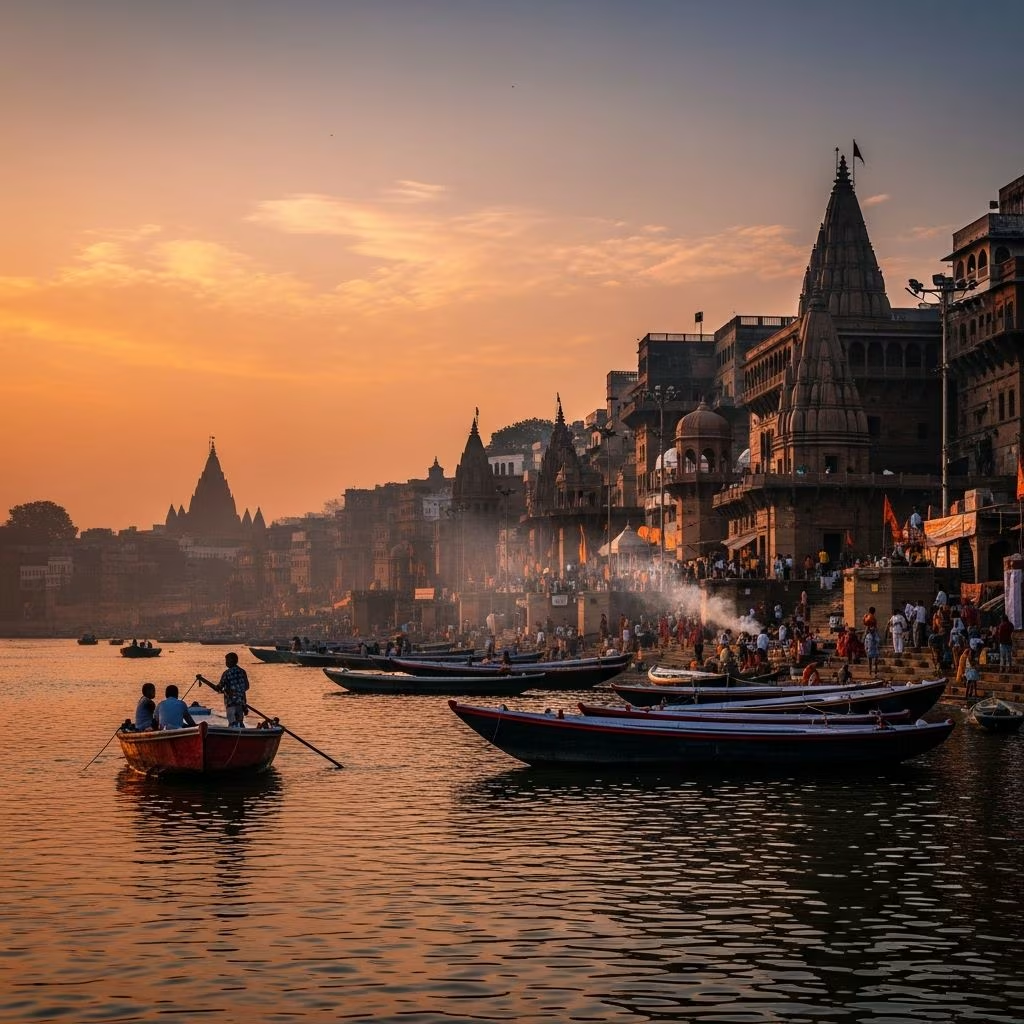
The Ganges represents the central focus of Varanasi’s spiritual and practical life. The river features 84 distinct ghats—stone steps leading to the water—where daily ceremonies occur continuously. While most ghats serve devotional and bathing purposes, two are exclusively dedicated to cremation ceremonies, representing the city’s direct engagement with mortality and spiritual transformation.
Experiencing the Ganges demands water-based exploration. Boat rides during dawn hours offer transformative perspectives, with early light illuminating devotees performing morning ablutions, priests conducting prayers, and yogis practicing sun salutations. The sensory experience—combining spiritual chanting, water sounds, and awakening cityscape—creates indelible impressions. Costs typically range from 150 to 300 rupees per person.
The evening Ganga Aarti ceremony represents another essential experience, lasting approximately 45 minutes. This nightly prayer ritual features priests conducting elaborate ceremonies with brass oil lamps (diyas) creating luminous patterns across the water. The combination of devotional fervor, glowing flames, and the sacred river justifies Varanasi’s designation as the “City of Lights.”
This temple stands as Varanasi’s most sacred site and one of twelve holiest Shiva temples worldwide. Daily visitor numbers reach thousands, with pilgrims traveling from across India and internationally to experience this spiritual center. The temple receives particular crowding during Shiva festivals when tourist access becomes nearly impossible due to overwhelming devotee participation. Proximity to the temple makes it a logical anchor for exploring surrounding spiritual sites, with the Annapurna Devi Mandir located merely 100 meters away.
Visitors should prepare for crowds, security screening, and the sensory intensity characteristic of major Hindu pilgrimage sites. Booking VIP access options can streamline the experience for those with limited time or mobility concerns.
Varanasi contains hundreds of temples representing diverse Hindu traditions and deities. Kedar Ghat features the Kedareshwar Temple, particularly significant for South Indian pilgrims, with the adjacent Parvati Kund pool believed to possess healing properties. This location offers exceptional river views and represents the cultural diversity within Varanasi’s religious landscape.
Beyond established temples, shrines appear throughout the city at nearly every corner, each maintaining active worship practices. This saturation of sacred spaces reflects Varanasi’s function as a living spiritual ecosystem rather than a museum of historical artifacts.
Walking represents the most effective and rewarding transportation method throughout Varanasi. The narrow lanes behind the ghats create an environment where vehicles struggle to navigate, making pedestrian movement both necessary and preferable. These winding alleyways reveal layers of everyday life—residents conducting business, vendors preparing goods, and the constant human activity that characterizes urban India.
Main streets accommodate vehicular traffic similar to Delhi’s Chandni Chowk, creating congested conditions shared with motorcycles, auto-rickshaws, cows, and pedestrians. Walking along the riverfront pathways and within residential quarters provides more intimate engagement with the city’s character and culture.
Varanasi offers accommodation options across various price ranges and comfort levels. Proximity to the Kashi Vishwanath Temple and primary ghats influences both convenience and pricing. Budget travelers find hostels and guesthouses throughout the city, while those seeking comfort locate mid-range hotels and heritage properties. Booking accommodations near main ghats provides immediate access to spiritual sites and evening Aarti ceremonies, though expect higher noise levels and activity throughout the day.
Varanasi’s food scene reflects broader Indian culinary traditions while maintaining distinctive local preparations. Street food vendors operate throughout the city, particularly near temple entrances and ghat areas. Traditional Varanasi specialties include kachori (deep-fried pastries), lassi (yogurt-based beverages), and Banarasi paan (betel leaf preparation).
The city’s vegetarian traditions run particularly strong due to the prevalence of Hindu pilgrims observing dietary restrictions. Quality restaurants and street stalls offer diverse vegetarian preparations, though meat and fish options remain available. Early morning visits to food markets reveal the freshness and abundance underlying the city’s culinary culture.
Acquiring authentic Banarasi sarees represents an essential Varanasi experience. These intricately designed garments feature hand-woven patterns with gold or silver brocade, representing centuries of textile craftsmanship. Sarees are available throughout the city, from tourist-oriented shops to specialized markets serving local buyers and collectors.
Ranjan Silk Market, located approximately 4 minutes’ drive from Kashi Vishwanath Temple, offers the finest hand-woven sarees at wholesale prices rather than retail markups. This market provides access to genuinely high-quality pieces without the premium pricing characteristic of tourist-focused retailers. Visiting during non-peak hours enables meaningful conversation with proprietors about weaving techniques, design origins, and family histories connected to this artistic tradition.
Beyond textiles, Varanasi’s labyrinthine markets offer religious items, musical instruments, books on Hindu philosophy, spices, and handicrafts. Shopping in these spaces transcends commercial transaction—vendors share knowledge, haggling follows traditional protocols, and genuine cultural exchange occurs. The narrow lanes themselves become destinations, rewarding those willing to wander without predetermined purchasing objectives.
Those with additional time should consider visiting Sarnath, approximately 10 kilometers from Varanasi’s city center. This Buddhist pilgrimage site contains archaeological remains and monasteries connected to Buddha’s teachings, providing theological and historical contrast to Varanasi’s Hindu focus. Ramnagar Fort and Chunar Fort offer additional historical perspectives on the region’s political development beyond the spiritual sphere.
The MV Ganga Vilas cruise represents an alternative experience for travelers with extended timeframes, offering a 51-day voyage spanning 3,200 kilometers to Dibrugarh. While beyond typical visitor capacity, this option demonstrates the Ganges’ significance extending far beyond Varanasi’s sacred boundaries.
Varanasi overwhelms first-time visitors through its sensory intensity. Crowds, odors, sounds, and the constant presence of death and spiritual transformation create environments foreign to most Western travelers. Preparing mentally for these elements enhances rather than diminishes the experience. Understanding that discomfort itself represents part of the authentic encounter with this ancient city transforms potentially negative reactions into meaningful engagement.
Photography policies vary by location. Many temples restrict cameras, and photographing cremation ceremonies represents profound disrespect. Observing local practices and asking permission before photographing individuals demonstrates appropriate cultural sensitivity. Removing shoes at temples, maintaining modest dress, and participating in ceremonies when invited reflects respect for the spaces and people sharing their spiritual practices.
Water safety requires attention—avoiding tap water and purchasing sealed beverages prevents most gastrointestinal issues. The crowded conditions and humidity create environments where sun protection, hydration, and regular rest periods become important self-care practices. Most visitor experiences occur safely when exercising standard travel precautions and maintaining awareness of surroundings.
Varanasi transcends conventional tourism categories—it functions simultaneously as historical destination, spiritual pilgrimage site, and living laboratory for understanding Hindu civilization’s deepest values. The city’s persistence as a continuously inhabited settlement for millennia reflects its significance extending far beyond geographical or commercial importance.
Travelers departing Varanasi consistently report transformative experiences not easily categorized within standard vacation frameworks. The encounter with mortality, spiritual devotion, and ancient human traditions creates perspectives that extend far beyond the visit itself. Whether approached from religious conviction, cultural curiosity, or spiritual seeking, Varanasi offers profound engagement with dimensions of human experience often obscured in contemporary Western life.
Maximize your Varanasi experience by balancing structured activities with spontaneous exploration. Dedicate certain hours to planned temple visits and boat rides, but reserve time for wandering narrow lanes, sitting beside the river, and allowing unexpected encounters to unfold naturally. Conversations with local residents, shopkeepers, and fellow travelers frequently provide the most memorable experiences.
Engaging with the city’s pace rather than imposing your own rhythms transforms Varanasi from a destination to be checked off lists into a place that genuinely changes how you perceive the world. The constant reminder of life’s impermanence, the undeniable presence of spiritual practice in daily existence, and the human capacity to find meaning amid chaos offer lessons extending far beyond any guidebook’s pages.
