

 Travel Essentials
 Travel Essentials

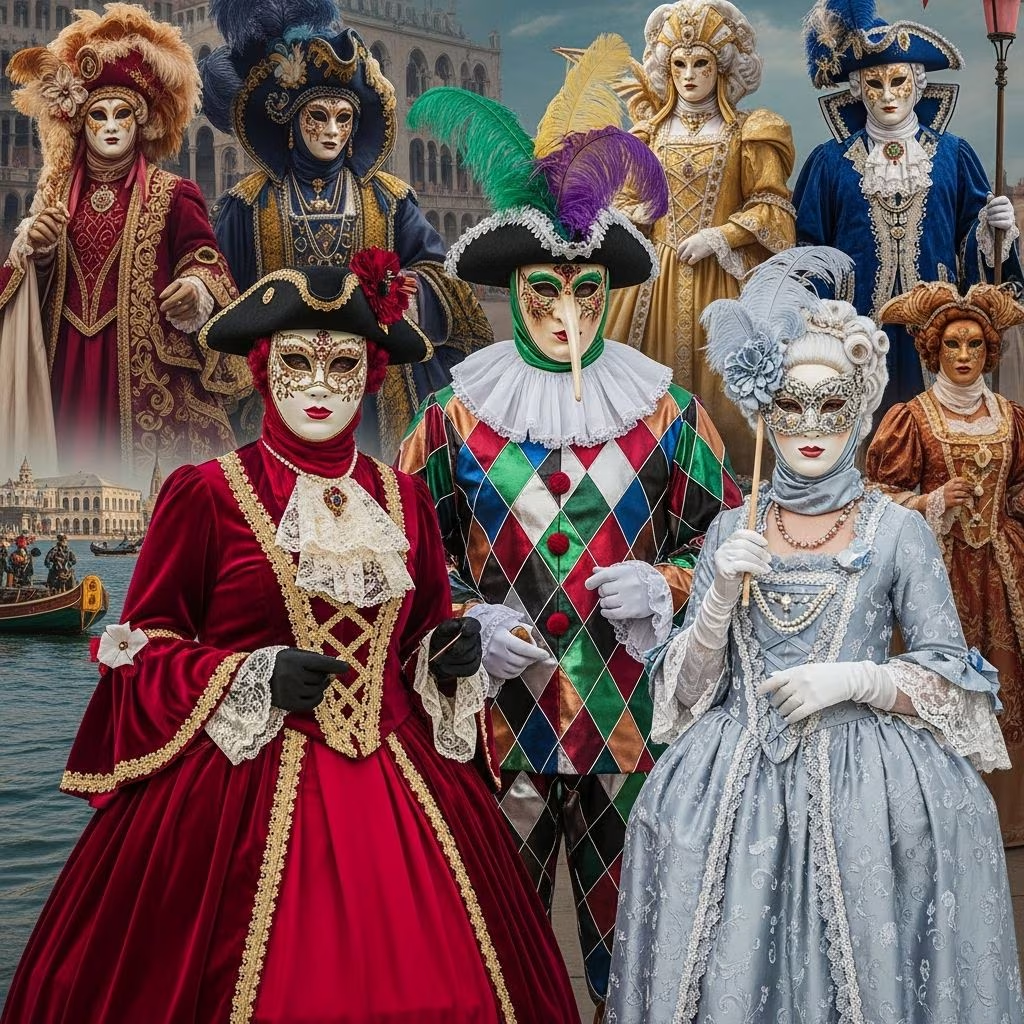
Explore the rich tradition of Venice Carnival costumes, iconic masks, and elaborate outfits that transform the city into a living fantasy during this annual spectacle.
 Travel Essentials
The Venice Carnival stands as one of the world’s most mesmerizing cultural events, where elaborate **costumes** and intricate masks turn the canals and squares of Venice into a stage for fantasy and history. Held annually before Lent, this festival draws millions to witness participants embodying characters from centuries past, blending artistry, tradition, and creativity in every garment and accessory.
Venetian costumes trace their origins to the 16th century, when the Republic of Venice flourished as a hub of trade, art, and intrigue. During this era, elaborate dress served multiple purposes: concealing social status to promote equality in revelry, protecting identities during political plotting, and showcasing opulent fabrics imported from the East. Handcrafted in local ateliers, these outfits featured voluminous skirts for women, tricorn hats for men, and layers of lace, velvet, and silk that demanded skilled craftsmanship.
By the 18th century, costumes reached their zenith, inspired by commedia dell’arte theater. Stock characters like the mischievous Harlequin, the pompous Pantalone, and the graceful Colombina became staples, their silhouettes defined by diamond-patterned tights, exaggerated codpieces, and flowing capes. These designs allowed wearers to slip into alternate personas, blurring lines between actor and audience amid the carnival’s chaos.
No Venice Carnival ensemble is complete without a **mask**, the true soul of the masquerade. The bauta, a white, chinless mask paired with a black cloak, was favored by nobles for its anonymity and compatibility with eating and drinking. Its stark, ghostly form evoked mystery, enabling whispered conversations across class divides.
The voluptuous volto or larva mask covers the entire face, often adorned with gold leaf or feathers, offering full versatility for elaborate headpieces. Meanwhile, the moretta, a velvet oval held in place by the wearer’s teeth, symbolized enigmatic silence, primarily worn by women to intrigue onlookers. Other favorites include the long-nosed medico della peste (plague doctor) mask, originating from 17th-century health crises, and the whimsical gnaga, a feline-inspired piece for female revelers mimicking cats.
While tradition anchors the festival, contemporary creators infuse fresh energy. Today’s costumes often merge 18th-century silhouettes with fantasy elements—think steampunk gears on baroque gowns or LED lights illuminating feathered headdresses. Participants draw from global pop culture, appearing as superheroes, mythical creatures, or even dinosaurs, adding vibrant diversity to the parades.
For 2025 and beyond, trends lean toward sustainable fabrics, intricate LED integrations, and gender-fluid designs that challenge historical norms. Artisans in Venice continue hand-stitching masterpieces, but DIY enthusiasts worldwide replicate them using thrift finds and 3D-printed masks.
Crafting a Venice Carnival costume requires planning, but the results are transformative. Start with a base layer: corsets for structured silhouettes, petticoats for volume, and capes for drama. Layer on luxurious textiles—satin, brocade, and tulle—sourced from fabric markets.
| Element | Traditional Style | Modern Twist | Tips |
|---|---|---|---|
| Gown/Suit | Voluminous panniers, lace trims | Metallic embroidery, asymmetry | Measure for mobility |
| Mask | Bauta or volto in porcelain | Glowing filigree, custom paint | Ensure breathability |
| Headpiece | Feathered tricorn | Crystal chandelier style | Secure with combs |
| Accessories | Cane, fan, gloves | Parasol with lights, jewelry | Match era palette |
Focus on details: hand-painted motifs, fringe detailing, and jewelry evoking Venetian glasswork. Practice walking in heels or boots to navigate cobblestones. Group themes amplify impact—coordinate as commedia characters for authentic flair.
Venice’s ateliers like those highlighted by local experts offer bespoke creations faithful to historical models. Online shops provide ready-made masks and outfits, but prioritize those using traditional techniques. Rental services in Venice allow immersion without the investment, often including full styling sessions.
For budget options, scour costume shops in Mestre or international retailers offering Venetian-inspired lines. Always verify quality: authentic pieces feature reinforced wiring, durable fabrics, and artisanal stitching.
The festival peaks with the Piazza San Marco parade, where costumed guilds compete in creativity. The Flight of the Angel sees a performer descend from St. Mark’s Basilica, while masked balls in historic palazzos offer intimate glamour. Street performances feature fire breathers, acrobats, and live commedia sketches, all enhanced by participants’ outfits.
Book costumes early, as demand surges. Layer thermals beneath for February chills. Respect the no-photos-without-permission etiquette to honor wearers’ privacy. Wander off-main paths for hidden performances and fewer crowds.
Typically two weeks before Easter, starting with Water Square festivities. Check official sites for annual schedules.
Not required, but wearing one unlocks full immersion and photo ops. Many rent on-site.
Rentals range €200-€800; purchases €500-€5000+, depending on detail.
Yes, family-friendly mini-costumes abound, with kid parades.
Extremely—book lodging months ahead.
Modern artisans prioritize eco-friendly dyes, recycled silks, and zero-waste patterns, ensuring the tradition endures responsibly. Workshops now teach upcycling techniques, blending heritage with environmental consciousness.
