

 Travel Essentials
 Travel Essentials

Plan a respectful Venice visit with the latest entry fee details, local rules, and practical tips to avoid fines and help protect the city.
 Travel Essentials
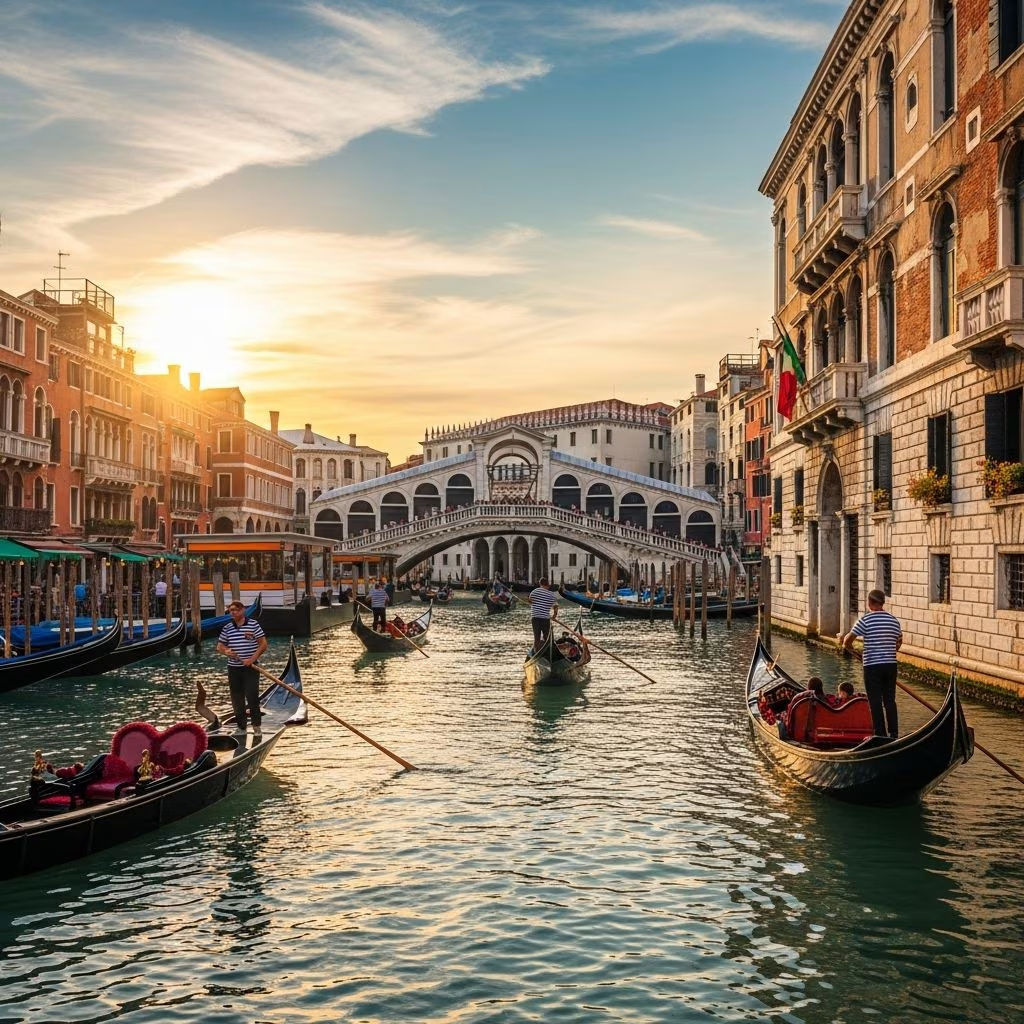
Venice, the floating city of canals and historic charm, attracts millions annually but faces over-tourism pressures. New regulations like entry fees and strict behavior codes help protect its fragile ecosystem and residents. This guide outlines key rules, fees, and best practices for a respectful visit.
Introduced in 2024, Venice’s entry fee targets day-trippers to manage crowds and fund preservation. Independent visitors over 14 pay €5 during peak times: 8:30am to 4pm on select dates in April, May, June, and July. Book via the official platform; exemptions apply to residents, workers, students, overnight guests, and children under 14.
This measure encourages overnight stays, boosting local economies sustainably.
Venice enforces rules preserving public order, heritage, and livability. Fines range from €100 to €500 or more for violations. Key prohibitions include:
| Prohibited Action | Reason | Potential Fine |
|---|---|---|
| Picnicking on church steps or St. Mark’s Square | Damages historic surfaces; disrupts residents | €200+ |
| Swimming or dipping feet in canals | Water contamination; boat hazards | €300-500 |
| Feeding pigeons | Overpopulation harms architecture | €50-300 |
| Walking shirtless or in swimwear | Public decency standards | €100-400 |
| Loud music or wheeled speakers | Disturbs narrow streets’ acoustics | €150+ |
Additional bans: large wheeled suitcases in restricted zones, tripods/drones in historic areas, graffiti, and littering (including gum/cigarettes). Always use bins and respect no-eating zones.
Venice’s pedestrian-only layout demands etiquette. Treat alleys and bridges like roads: walk on the right, pass on the left, avoid sudden stops. During acqua alta (high water), follow boardwalks on the right side without halting.
Post-11pm, keep noise low as sounds amplify in alleys.
Arrival via Marco Polo Airport? Use Alilaguna boats, ATVO buses, or taxis. In Venice, vaporetti (water buses) are efficient; validate tickets. Bicycles are banned in the center—push if needed, but fines apply.
Tour groups limited to 25 people max since August 2024; guides must show badges. Wi-Fi: Free for locals/students; visitors purchase via Venice Connected.
Prepare for rules and weather:
Insect repellent is crucial near lagoons.
Beyond rules, support Venice: stay overnight, dine at local bàcari, explore beyond St. Mark’s (e.g., Cannaregio, Dorsoduro). Buy authentic goods—avoid counterfeits (fines up to €7,000). Litter-free habits and right-side walking aid flow.
No, only independent day-trippers during peak hours.
No picnics; eating there risks fines.
Heavily restricted or banned in historic center.
Fines start at €100; use bins everywhere.
Follow official boardwalks, stay right.
Venice’s 121 islands and 435 bridges house 50,000 residents amid 30 million visitors yearly. Regulations combat erosion, pollution, and depopulation, ensuring the city’s survival. Responsible tourism lets everyone enjoy its magic.
