

 Travel Essentials
 Travel Essentials

Navigate London's iconic Victoria & Albert Museum with expert tips on galleries, collections, visiting hours, and must-see artifacts from across centuries.
 Travel Essentials
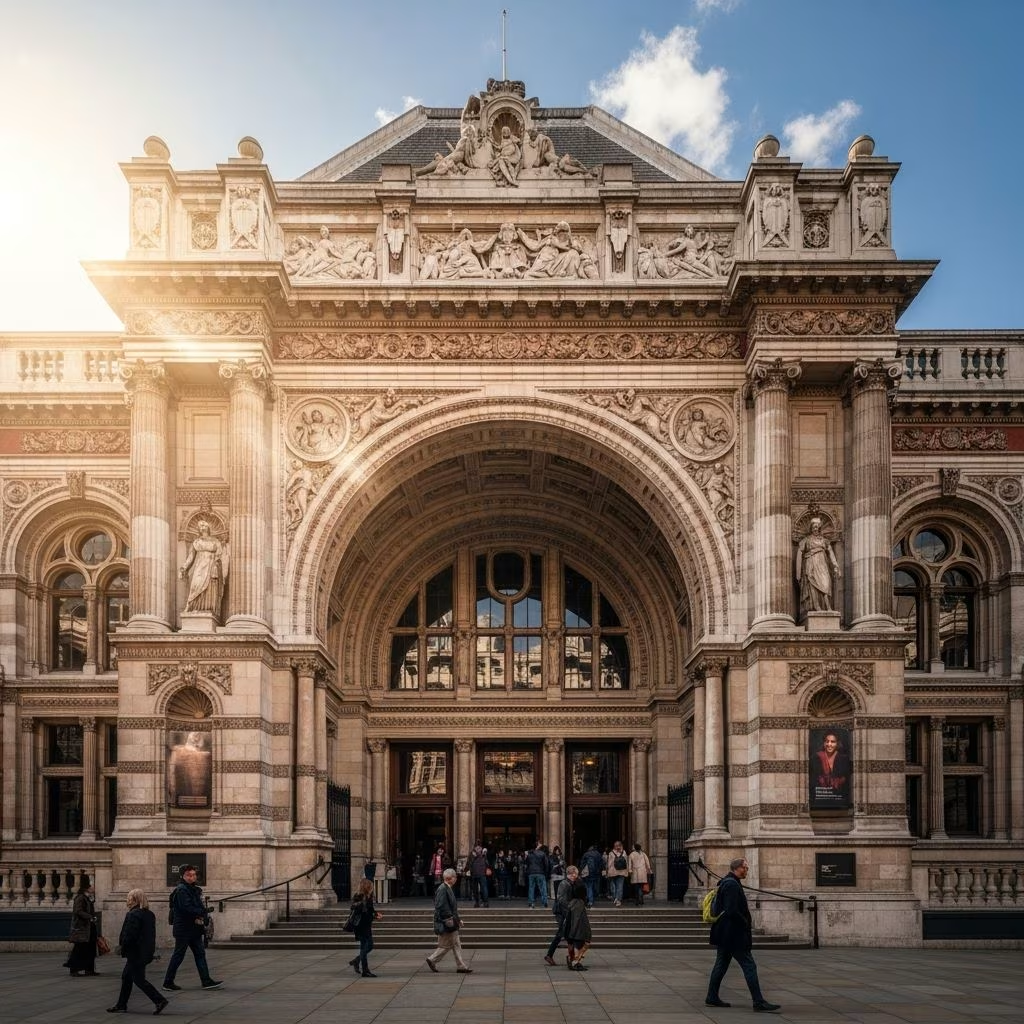
Nestled in the heart of South Kensington, the Victoria & Albert Museum stands as one of the world’s most significant repositories of decorative arts, design, and material culture. With over two million objects in its collection and approximately 60,000 items on permanent display, the museum offers an unparalleled journey through human creativity spanning 5,000 years. Whether you’re a seasoned art enthusiast or a curious first-time visitor, understanding how to navigate this sprawling institution can transform your visit from overwhelming to absolutely unforgettable.
The V&A is conveniently situated on Cromwell Road in South Kensington, London, making it easily accessible by public transportation. The closest Underground station is South Kensington, which provides direct access to the museum entrance. Gloucester Road station serves as an alternative if you prefer exploring the surrounding neighborhood first.
One of the most appealing aspects of this institution is that admission to the permanent collection is completely free. While special exhibitions do require separate tickets, you can spend hours exploring the main galleries without spending a penny on entry fees. The museum welcomes donations, allowing visitors to contribute according to their own means.
The museum operates on an extended schedule designed for various visitor preferences. Standard opening hours run from 10:00 AM to 5:45 PM daily, with the notable exception of Fridays when the museum remains open until 10:00 PM. This late-night Friday access is particularly valuable for those with constrained weekday schedules or those seeking a more intimate museum experience with fewer crowds.
Upon arrival, visitors enter through the museum’s impressive atrium, where an information desk provides orientation and guidance. Rather than attempting to see everything in one visit—which would require weeks—most first-time visitors should strategically select between five and six galleries to explore in depth. This focused approach prevents fatigue and allows for meaningful engagement with objects rather than superficial viewing.
The museum recommends starting on Level 2 and working downward through subsequent floors, creating a natural flow through the collections. This strategy helps visitors understand the chronological and thematic relationships between different periods and cultures represented in the holdings.
For those with limited time, the museum provides a carefully curated Highlights Trail that showcases the most significant and visually striking objects. Additionally, self-guided thematic trails explore specific subjects such as the relationship between African, Caribbean, and European cultures, allowing visitors to investigate colonization and globalization through material objects. Families with children will find dedicated trails that identify particularly engaging pieces and encourage younger visitors to observe specific details and artistic techniques.
With seven miles of galleries to explore, the V&A’s collection is organized into distinct thematic and chronological sections that accommodate various interests and historical periods.
The Medieval and Renaissance galleries transport visitors from the fall of the Roman Empire through the end of the Renaissance period. Here, statues, religious artwork, and liturgical objects reveal the spiritual and artistic priorities of medieval European societies. A particularly notable feature is an exceptional collection of early English stained glass originally created for Winchester College, alongside celebrated Renaissance works by master artists including Donatello, Della Robbia, and Michelangelo. Among the most remarkable items are Leonardo da Vinci’s original notebooks, offering intimate glimpses into the mind of one of history’s greatest polymaths.
The seven galleries on the lower ground level showcase approximately 1,100 objects from the period when France dominated European artistic and design innovation. These rooms feature elaborate decorative arts, furniture, and luxury items reflecting the tastes of European aristocracy. A standout piece is the silver victory service set presented to the Duke of Wellington by Portugal in recognition of his military triumph over Napoleon’s forces.
Dedicated galleries explore 400 years of British design heritage, from Tudor innovations through the Victorian era, featuring 3,000 individual pieces. Visitors encounter wallpapers, ceramics, furniture, and decorative objects that shaped domestic interiors and reflected evolving aesthetic values across centuries. This collection illustrates how British design principles developed and influenced global taste.
The Fashion galleries tell the story of British clothing evolution over five centuries, displaying garments that range from Tudor-era formal wear to contemporary fashion designs. These collections demonstrate how clothing functioned not merely as functional protection but as a language expressing social status, cultural identity, and artistic innovation. Rotating exhibitions within these galleries often feature major fashion designers and specific stylistic periods.
The sculpture galleries showcase major works by renowned artists including Antonio Canova and Auguste Rodin, providing chronological and thematic perspectives on three-dimensional artistic expression. The Cast Courts represent an exceptional and historically significant collection—containing casts of post-classical European sculpture, including reproductions of monumental works such as Michelangelo’s David. These casts were originally created during the nineteenth century as educational tools and artistic references, allowing students and scholars to study important works without traveling to distant locations.
The Jewelry Gallery showcases exquisite personal adornment objects spanning centuries and cultures. Meanwhile, the broader decorative arts collections include ceramics, glass, metalwork, and other crafted objects that illuminate the relationship between utility and beauty across human societies.
| Object | Gallery/Period | Significance |
|---|---|---|
| Leonardo da Vinci Notebooks | Medieval & Renaissance | Original manuscripts revealing Renaissance genius and scientific inquiry |
| Michelangelo’s David (Cast) | Cast Courts | Reproduction of Renaissance master sculpture |
| Wellington Service | European Baroque | Diplomatic gift commemorating military victory |
| Medieval Stained Glass | Medieval Galleries | Ecclesiastical art from Winchester College |
| Raphael Paintings | Renaissance Collection | Works by High Renaissance master |
| Rodin Bronzes | Sculpture Gallery | Modern sculptural masterworks |
Beyond the main galleries, the museum houses the National Art Library, an atmospheric reading room that contains an extraordinary collection of books, manuscripts, and documents related to art and design history. This research facility is open to the public on Tuesday, Wednesday, and Thursday from 10:00 AM to 5:00 PM, providing scholars and enthusiasts with access to specialized materials that deepen understanding of the objects on display.
The museum offers rotating free one-hour guided tours that can be arranged at the information desk in the main entrance hall. These professionally-led experiences provide contextual information and expert interpretation that enhances visitor understanding. Available tour options include the comprehensive V&A Highlights Tour, specialized tours exploring fashion and LGBTQ+ cultural representations within the collections, the Remarkable Women Tour highlighting female creators and subjects, and Historical and Hidden Caribbean Tours that examine colonial relationships and cultural exchange.
The V&A provides numerous visitor conveniences to enhance your experience. Excellent café facilities offer refreshments at various locations throughout the museum, allowing visitors to rest and refuel during their exploration. A courtyard area with seating provides outdoor space for reviewing gallery maps and guidebooks in pleasant weather. Multiple gift shops offer museum-themed merchandise, and a cloakroom accommodates coats and bags, allowing visitors to navigate galleries unencumbered.
Strategic timing significantly impacts your museum experience. Weekday mornings typically feature smaller crowds, allowing for more contemplative viewing and less physical navigation through galleries. Alternatively, late Fridays during extended operating hours (until 10:00 PM) attract different visitor demographics and offer a more relaxed atmosphere. This extended Friday access is particularly valuable if your schedule permits evening museum visits.
A realistic assessment suggests that 2-4 hours provides adequate time for focused exploration of selected galleries, while a full day proves optimal for art enthusiasts seeking comprehensive engagement with the collections.
Begin your visit by consulting the free map available at the information desk. Many visitors find purchasing the published guidebook (available at the gift shop) worthwhile, as it provides detailed descriptions of significant objects and contextual information. This reference material transforms your visit from passive observation to active learning.
The museum maintains a published commitment to anti-racism reflected in its curatorial approach, exhibition themes, talks, and acquisition decisions. This institutional commitment shapes how objects are presented, contextualized, and interpreted for contemporary audiences.
Beyond its public galleries, the V&A functions as a world-class research center maintaining numerous study rooms both within the South Kensington location and at satellite facilities. Researchers can access over two million objects from the Reference Collections for private study and scholarly investigation. This dimension of the institution serves academics, students, and serious collectors pursuing in-depth research into specific objects, techniques, or historical periods.
Whether visiting for two hours or an entire day, the Victoria & Albert Museum rewards thoughtful planning and focused exploration. By understanding the gallery organization, establishing realistic expectations about crowd capacity, and strategically selecting which collections to prioritize, visitors can create deeply meaningful encounters with objects representing humanity’s creative achievement across millennia. The combination of free admission, extended hours, guided tours, and world-class collections makes the V&A an essential destination for anyone interested in design, art history, craftsmanship, or cultural heritage.
Yes, permanent collection admission is completely free. Special exhibitions require separate paid tickets, but the vast majority of the museum’s holdings are accessible at no cost.
Most visitors benefit from 2-4 hours for focused gallery exploration, while full-day visits suit art enthusiasts. First-time visitors should select 5-6 galleries rather than attempting comprehensive coverage.
Yes, the museum welcomes families and provides child-focused trails identifying particularly engaging pieces and interactive learning opportunities.
Free one-hour guided tours operate regularly and can be arranged at the information desk. Options include highlights tours, fashion tours, and specialized themed explorations.
Weekday mornings typically feature smaller crowds, while late Fridays (open until 10:00 PM) offer an alternative less-crowded visiting window.
