

 Travel Essentials
 Travel Essentials

Climate change and drought are shrinking Victoria Falls, disrupting ecosystems, tourism, hydropower, and livelihoods across the Zambezi basin.
 Travel Essentials
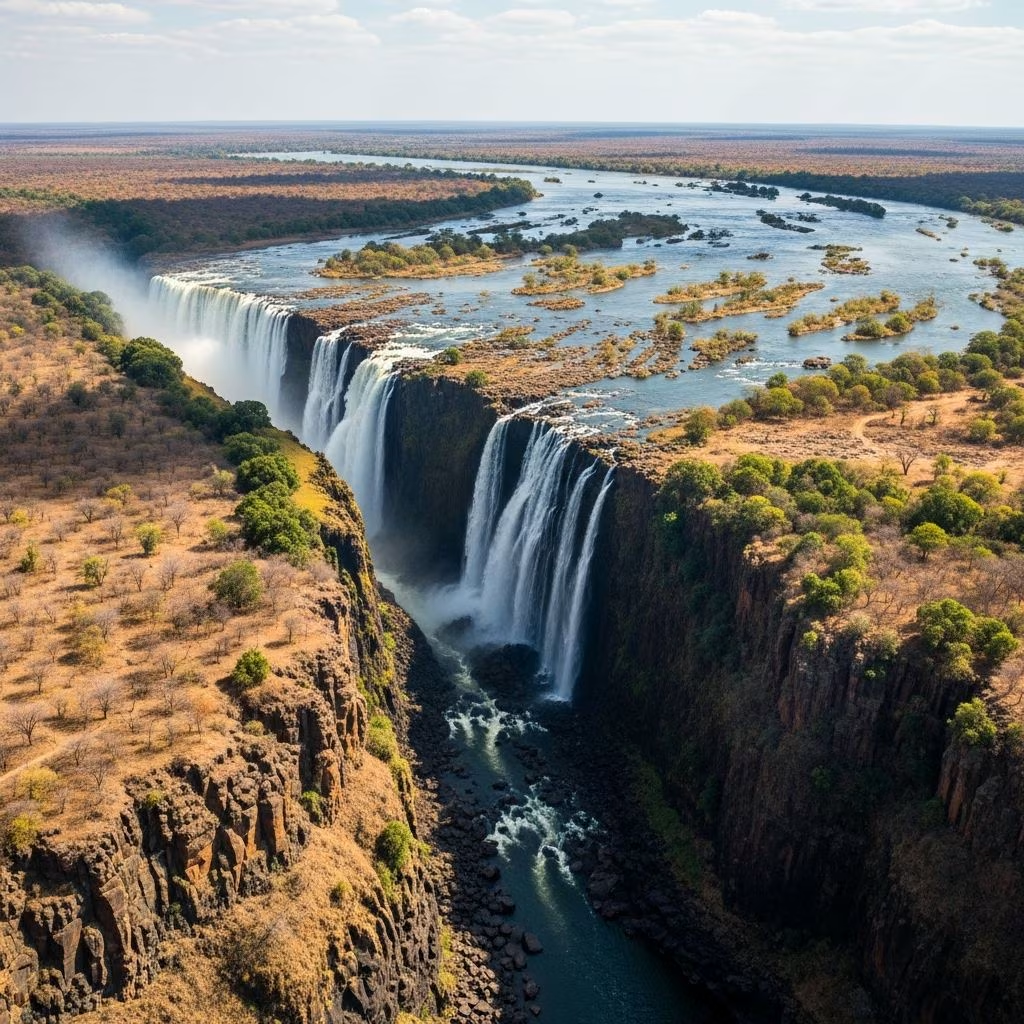
One of the planet’s most awe-inspiring natural wonders, Victoria Falls, is experiencing profound changes due to intensifying droughts and evolving climate patterns. Straddling the border of Zambia and Zimbabwe, this massive cascade on the Zambezi River has seen its thunderous roar diminish to a mere whisper in recent dry seasons, raising alarms about long-term sustainability.
Victoria Falls naturally fluctuates with seasonal cycles. Peak flows occur from March to May after heavy summer rains, while the dry period from May to November typically sees reduced water. However, recent years have pushed these lows to extremes, with 2019 marking the lowest flows in decades and similar patterns persisting.
In the Zambezi River Basin, a semi-arid zone prone to rainfall variability, annual precipitation hasn’t dropped significantly over decades. Instead, the dry season has lengthened, with October and November rains arriving later or in scant amounts. This shift compresses wet periods, making droughts more punishing.
While single droughts like 2019’s—deemed the worst in a century—can’t be solely pinned on climate change, trends align squarely with global warming projections. Rising temperatures delay Africa’s rainy seasons, leading to erratic monsoons that are heavier but less frequent. This disrupts water storage in rivers and dams, heightening flood and drought risks.
Experts note lower-flow years at the falls are increasing in frequency. Principal Climate Change Researcher Elisha Moyo warned that without intervention, a year with no visible water is possible. Heat intensifies the water cycle, evaporating more from the Zambezi and stressing downstream users.
| Climate Indicator | Historical (1970s-1980s) | Recent (2000s+) | Change |
|---|---|---|---|
| October Rainfall | ~2 inches (50mm) bi-annually | <0.5-1 inch in wettest years | -75% in peak months |
| October High Temp | 89.8°F (32.1°C) | 96.6°F (35.9°C) | +6.8°F (3.8°C) |
| Dry Season Length | Standard May-Nov | Extended into wet onset | Prolonged by weeks |
These patterns echo broader African trends, where 2019 ranked among the continent’s hottest years, amplifying water scarcity.
The falls support diverse wildlife in nearby parks like Mosi-oa-Tunya National Park. Reduced flows expose more rock, alter fish habitats, and stress riparian species. Hippos, elephants, and birds reliant on the Zambezi face forage shortages during prolonged dries.
Upstream, Lake Kariba—fed by the Zambezi—hit record lows, endangering fish stocks vital to 500,000+ fishers. Biodiversity hotspots risk becoming seasonal, with invasive plants potentially colonizing exposed basalt gorges.
Drawing nearly a million visitors yearly, Victoria Falls generates billions for Zambia and Zimbabwe. Low waters reveal ‘dry season wonders’ like Devil’s Cataract’s full gorge views, attracting ‘last chance’ tourists chasing rare sights. Yet, many prefer the full roar, sparking social media backlash in low-flow years like 2015-2016.
Tourism both suffers from and fuels emissions: flights and lodges contribute to warming. Local guides report fewer bookings during skeletal flows, though walking tours gain popularity. Long-term, a shift to seasonal appeal could slash revenues by 30-50%.
Tourism is both a victim and vector of climate change, as one researcher aptly notes.
Kariba Dam, world’s largest man-made reservoir, powers 40% of Zambia and Zimbabwe’s electricity. 2019 lows triggered blackouts lasting months, crippling industries and homes. Farmers downstream battle irrigation shortfalls, inflating food prices.
Communities in the basin—over 40 million people—depend on the Zambezi for drinking water, fishing, and transport. Women and children bear the brunt, trekking farther for water. Power cuts ripple to mining, manufacturing, and urban centers like Lusaka and Harare.
Flows hit 45-year lows recently, below 1995 records. Projections warn of perennial-to-seasonal transition without mitigation. Multiyear droughts, absent pre-2000, now dominate, with El Niño events worsening them.
By 2050, models predict 20-30% Zambezi flow reductions under high-emissions scenarios, per regional studies. Adaptation hinges on diversified energy, reforestation, and transboundary water pacts.
Initiatives include Zambezi River Authority’s basin management plans, promoting efficient irrigation and dam ops. Reforestation combats evaporation, while renewable pushes like solar reduce hydro reliance. Community eco-tourism empowers locals in monitoring flows.
International aid from World Bank funds resilient infrastructure. Visitors can help via low-impact travel: off-peak visits, carbon offsets, and advocacy.
No, but climate trends could make it seasonal. Flows recover post-rains, yet extremes intensify.
Trends like hotter dries and delayed rains match warming fingerprints, though natural variability plays a role.
Offers unique gorge hikes but disappoints roar-seekers. Best time: April for balance.
Kariba shortages cause widespread cuts; Zambia/Zimbabwe seek alternatives.
Yes—choose sustainable operators, visit dry season responsibly, support conservation NGOs.
