

 Travel Essentials
 Travel Essentials

Discover Vietnam through guided journeys that blend culture, landscapes, local cuisine, and community connections for a richer travel experience.
 Travel Essentials
Vietnam has emerged as one of Southeast Asia’s most compelling destinations for travelers seeking meaningful engagement with local cultures and stunning natural environments. The country’s transformation over recent decades has made it increasingly accessible while maintaining the authentic cultural experiences that draw millions of visitors annually. Modern guided travel options now allow visitors to navigate Vietnam’s complexity with expert support, combining structured itineraries with opportunities for genuine community interaction.
Vietnam stretches across more than 1,600 kilometers along the eastern coast of mainland Southeast Asia, presenting travelers with remarkable geographic variety. The nation encompasses mountainous northern regions, densely populated urban centers, agricultural plains, and tropical southern landscapes. This geographic diversity means that a single trip can encompass multiple distinct environments and cultural zones, each with its own character and appeal.
The country’s terrain transitions dramatically from the rugged peaks of the north to the deltaic waterways of the south. This natural variation has historically influenced settlement patterns, economic development, and cultural traditions throughout the country. Understanding these geographic features helps travelers appreciate why different regions offer such contrasting experiences and why comprehensive travel typically requires multiple weeks.
Contemporary Vietnam travel has evolved beyond basic backpacker routes to include thoughtfully designed multi-day tours that balance structured activities with flexibility. These organized journeys typically span 10 to 15 days and incorporate multiple transportation modes including trains, buses, motorcycles, and boats. The integration of various transit methods reflects the practical reality of Vietnamese travel while creating distinct travel experiences within a single journey.
Guided tours provide several advantages for visitors unfamiliar with Vietnam’s infrastructure and customs. Professional tour leaders offer contextual knowledge about regions as they unfold, local guides provide cultural interpretation, and community partnerships ensure that tourism revenue supports local economies. This framework allows travelers to move through the country systematically while maintaining standards of comfort and safety appropriate to their preferences.
Vietnam’s coastline represents one of its most distinctive travel attractions, offering experiences that range from beach relaxation to adventure activities. The eastern seaboard stretches from the southern Mekong regions northward through central Vietnam into the Red River Delta areas. Coastal travel in Vietnam traditionally follows the natural flow from south to north or vice versa, taking advantage of prevailing transportation networks.
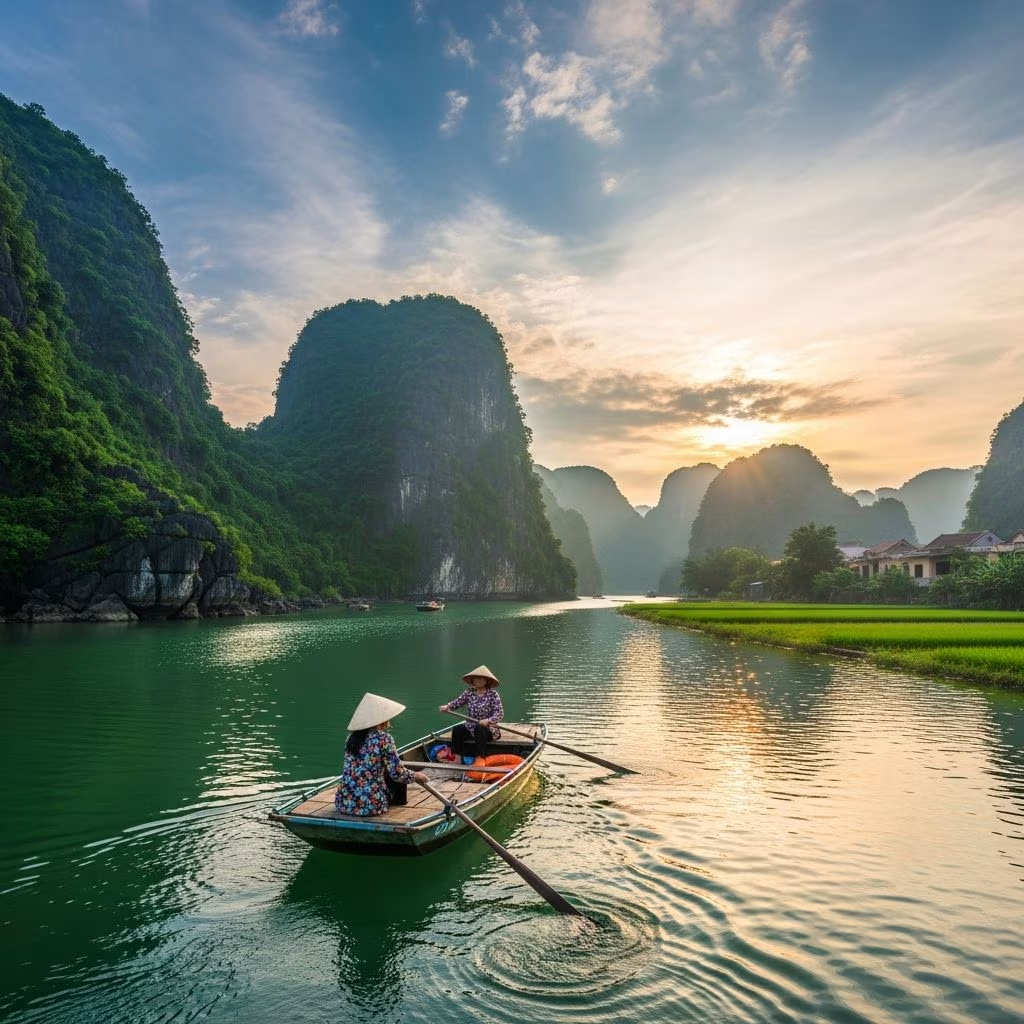
Water-based activities form a core component of coastal Vietnam experiences. These include traditional sampan rides through narrow waterways, overnight cruises along major water corridors, and boat excursions to offshore islands and caves. The maritime tradition remains deeply embedded in Vietnamese life, particularly in regions where rivers and canals serve as primary transportation arteries and economic conduits.
Beyond passive sightseeing, Vietnam appeals to travelers seeking active outdoor participation. Hiking opportunities range from casual walks through rice paddies to challenging mountain treks in northern regions. Bicycle touring has become increasingly popular, allowing visitors to navigate at human speed through villages and countryside zones inaccessible to larger vehicles.
These active modalities of travel offer distinct advantages for cultural immersion. Hiking and cycling pace enables authentic interactions with residents, creates opportunities to encounter daily life unfolding naturally, and provides perspectives on landscape and agriculture that faster transportation obscures. Many contemporary Vietnam tours deliberately incorporate these active elements to enrich visitor experience beyond standard sightseeing.
Modern Vietnam travel experiences increasingly emphasize partnerships with local communities and indigenous guides. This model differs fundamentally from tourism approaches that treat local populations as service providers rather than stakeholders. Community-based tourism in Vietnam creates direct economic benefits for residents while providing travelers with more nuanced cultural understanding.
Local guides bring irreplaceable contextual knowledge about regional history, contemporary life, and cultural practices. Their involvement ensures that tourism experiences serve educational purposes rather than reducing culture to entertainment spectacle. Partnership models also facilitate experiences that would be unavailable to independent travelers, including access to homestays in minority villages, participation in family meals, and engagement with traditional craft practices.
Vietnam’s transportation infrastructure has developed substantially over recent decades, making the country increasingly navigable for international travelers. The rail network connecting major cities provides a particularly distinctive travel experience, as overnight trains allow daytime for activities while maximizing travel efficiency. Modern bus services maintain competitive standards for comfort and safety, while growing domestic aviation serves travelers with time constraints.
This infrastructure development has democratized Vietnam travel by reducing costs and improving accessibility. Travelers with varying physical abilities, budgets, and time commitments can now find appropriate options. Simultaneously, the infrastructure remains young enough that travel in Vietnam retains elements of adventure and unpredictability that appeal to many international visitors seeking authentic encounters.
Vietnamese cuisine represents far more than sustenance—it serves as a primary gateway for cultural understanding and regional identity. The food traditions vary significantly across geographic zones, reflecting climate variations, historical influences, and local ingredient availability. Regional culinary specialties form natural focal points for travel experiences, as meals often incorporate family dynamics, local agricultural cycles, and historical narratives.
Street food culture in Vietnam provides immediate, affordable, and authentic engagement with daily life. Many contemporary tours deliberately incorporate guided street food experiences, allowing visitors to sample regional specialties while learning preparation techniques and cultural contexts. These culinary experiences typically generate more memorable impressions than restaurant-based meals, as they occur within working environments and involve interaction with vendors and fellow consumers.
Vietnam’s tropical and subtropical climate creates distinct seasonal travel patterns. The summer monsoon brings heavy precipitation to northern regions while southern areas enter their dry season. Winter months bring cooler temperatures to northern Vietnam, making trekking and hiking most comfortable. These climatic variations mean that optimal travel timing depends on geographic priorities.
Tour operators typically adjust their route emphases based on seasonal conditions, prioritizing activities and regions where weather conditions are favorable. Understanding seasonal patterns helps travelers align their trip timing with desired activities and preferred climate conditions. This seasonal awareness also influences pricing, as peak season tourism creates higher demand and corresponding rate increases.
Contemporary guided tours structure daily activities to balance active engagement with recovery time. Typical days might incorporate morning activities in one location, midday travel, and afternoon exploration elsewhere. This pacing recognizes that meaningful travel experiences require both structured engagement and unstructured time for individual exploration and reflection.
Downtime allocation varies among tour operators and trip types, but most comprehensive tours reserve at least partial days for visitor-directed activities. This balance between guided experiences and independent exploration allows travelers to pursue personal interests while maintaining the framework and support that organized tourism provides. The flexibility within structure characterizes most contemporary travel offerings in Vietnam.
Travelers approaching Vietnam with preparation and intentionality typically derive greater value from their experiences. This preparation might include learning basic Vietnamese language phrases, reading about Vietnamese history and contemporary culture, or researching specific regions of personal interest. Such preparation transforms guided tours from passive consumption of attractions into active engagement with place and people.
Mental preparation also enhances travel experiences. Visitors who approach Vietnam with curiosity about how communities actually function, rather than seeking confirmation of preexisting stereotypes, typically develop more nuanced understanding. This attitudinal foundation transforms daily interactions and cultural observations into learning opportunities rather than mere entertainment.
Vietnam’s accommodation sector has expanded dramatically to serve international tourism, offering options ranging from budget hostels to luxury resorts. Guided tours typically facilitate accommodation arrangements appropriate to their pricing tiers, managing logistics that independent travelers must navigate personally. This logistical management represents a significant value component of organized tourism.
Contemporary tours increasingly incorporate stays in locally-run establishments rather than international hotel chains, directing revenue to community members. Homestays in rural areas provide immersive experiences unavailable in commercial accommodations, though requiring flexibility regarding amenities and comfort standards. This accommodation diversity allows travelers to calibrate experiences according to their preferences and budgets.
International travel to Vietnam requires attention to practical matters including vaccinations, travel documentation, and health precautions. Vietnam maintains healthcare services adequate for routine medical needs, though serious conditions may require evacuation to regional medical centers. Travel insurance represents a sensible precaution for international visitors.
Cultural awareness regarding respectful behavior, appropriate dress in religious contexts, and interaction with political history requires visitor attention. Vietnam remains sensitive about certain historical periods, and thoughtful tourism means respecting these sensitivities. Safety standards in Vietnam generally compare favorably with other Southeast Asian nations, though basic travel precautions regarding belongings and awareness remain appropriate.
Expert tour leaders bring far more than logistical management to guided Vietnam travel. Their historical knowledge, cultural context, language capabilities, and established community relationships transform generic experiences into meaningful encounters. This expertise allows travelers to understand not just what they observe but why particular customs, practices, and landscapes matter within Vietnamese context.
The cost of guided tours reflects these expertise components alongside tangible services. Travelers consistently report that professional guidance significantly enhanced their understanding and enjoyment compared to independent travel. This value becomes particularly apparent when navigating complex cultural situations or seeking access to experiences unavailable to casual visitors.
Travel experiences frequently generate lasting impacts through relationships formed with both local community members and fellow travelers. Shared experiences during extended journeys create meaningful bonds that often persist beyond the trip conclusion. These social dimensions of travel represent underappreciated value components of organized tourism.
Community relationships cultivated during guided tours sometimes extend beyond the travel period through ongoing communication and support for local initiatives. This sustained engagement reflects the deeper connections that result from respectful tourism practices prioritizing cultural exchange over superficial sightseeing.
Contemporary Vietnam tourism increasingly emphasizes sustainability principles recognizing that tourism impacts fragile ecosystems and vulnerable communities. Responsible tour operators implement practices minimizing environmental footprints, ensuring equitable compensation for local participants, and limiting negative cultural impacts. These considerations have shifted from fringe concerns to mainstream expectations among informed travelers.
Choosing tour operators committed to sustainability principles means Vietnam tourism can support rather than undermine the conditions that make travel there compelling. This alignment between tourist preferences and local community interests represents an important evolution in global tourism practices.
Two weeks provides sufficient time for meaningful engagement with major regions and cultural sites. This duration allows combination of northern mountain experiences, central cultural heritage zones, and southern delta regions. Shorter visits work if geographic focus is narrowed to one or two regions.
October through April typically offers most favorable conditions nationwide, with cooler temperatures in the north and dry weather throughout most regions. Northern winters can be cool but generally pleasant, while southern winter remains warm and dry.
Well-designed tours deliberately incorporate downtime enabling visitor-directed exploration. This balance allows independent interests while maintaining professional support and logistics management. Tour operators typically provide guidance regarding independent activities suitable for particular regions.
Responsible operators employ local guides, utilize community-run accommodations, purchase from local vendors, and share tourism revenue. This approach ensures tourism benefits reach community members rather than external operators exclusively.
Tours range from gentle activity levels appropriate for all visitors to challenging adventures requiring substantial fitness. Operators typically describe activity levels clearly, enabling visitors to select experiences matching their physical capabilities.
