


 Food & Culture
Food & Culture
Vietnamese Coffee Culture: Beans, Phin Filters & Traditions
Discover the rich heritage of Vietnamese coffee, its unique brewing methods, regional variations, and cultural importance in Vietnamese society.
 Food & Culture
Understanding Vietnam’s Coffee Legacy
Vietnam occupies a unique position in the global coffee industry, ranking as the world’s second-largest coffee producer after Brazil. The nation’s coffee heritage extends beyond mere production statistics—it represents a deep cultural tradition that intertwines colonial history with local innovation and hospitality. Coffee arrived in Vietnam during the 19th century through French colonial influence, but over generations, it transformed into a distinctly Vietnamese experience that reflects the country’s geography, climate, and social values.
The Central Highlands region, particularly around Da Lat, serves as the heartland of Vietnamese coffee cultivation. Farmers in these regions have stewarded their plantations for generations, maintaining a commitment to quality that rivals coffee-producing nations worldwide. The robusta beans grown in Vietnam’s highland plateaus are renowned for their strength, richness, and elevated caffeine content, making them ideal for the concentrated brewing methods that define Vietnamese coffee culture.
The Distinctive Character of Vietnamese Coffee Beans
Vietnamese coffee possesses characteristics that distinguish it from other global varieties. The beans undergo a unique roasting process involving low-heat treatment lasting approximately 15 minutes, a crucial step that occurs before the coffee is brewed. Unlike many Western coffee producers, Vietnamese roasters rely primarily on traditional manual methods rather than automated machinery, preserving artisanal techniques passed through generations.
This methodical approach yields coffee with a strong, concentrated flavor profile that some describe as possessing an almost spirituous quality. The robusta species dominates Vietnamese coffee production, contributing the bold intensity that characterizes authentic Vietnamese brew. Rather than being viewed as a limitation, this strength becomes an asset when combined with the sweetness of condensed milk or other traditional accompaniments.
Traditional Brewing: The Phin Filter Method
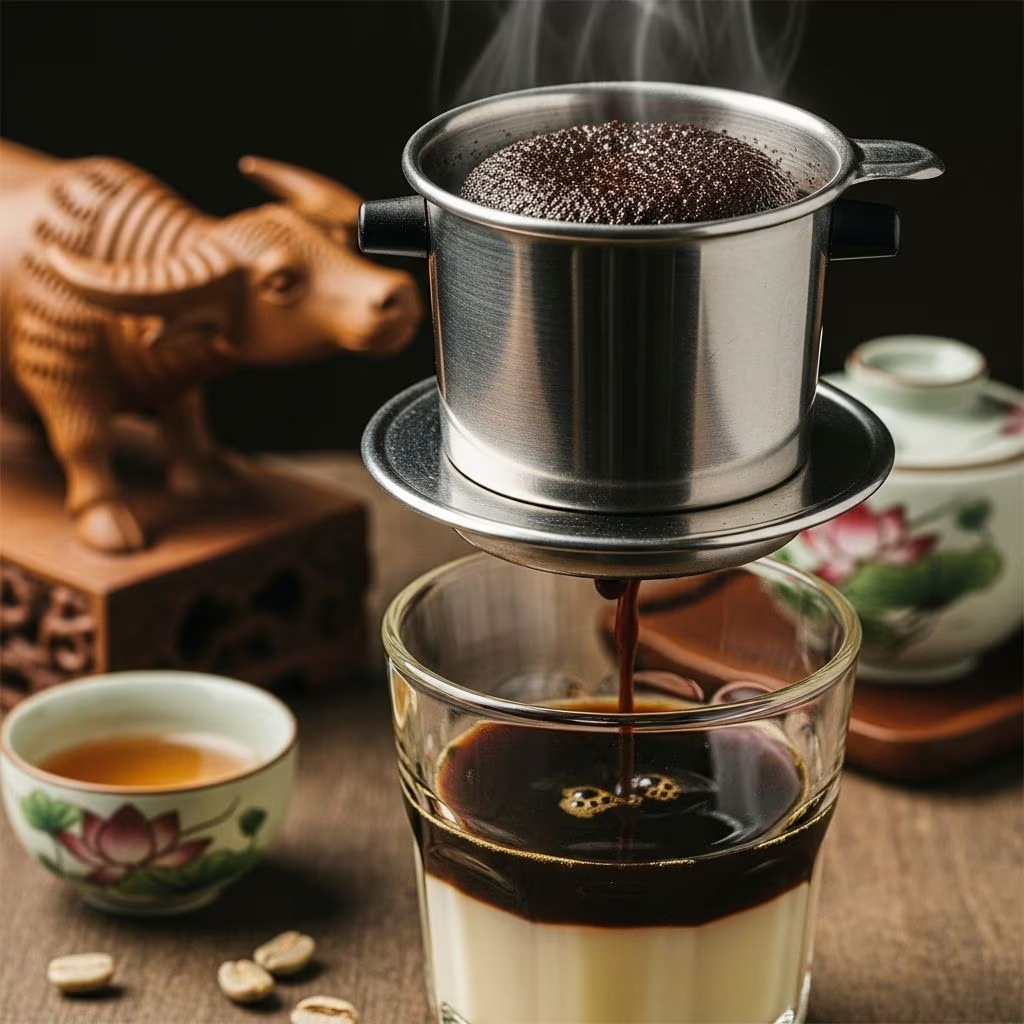
At the core of Vietnamese coffee culture lies the **phin filter**, a small metal drip apparatus that enables slow, concentrated extraction. This simple yet elegant tool represents far more than a mere brewing device—it embodies the philosophy underlying Vietnamese coffee consumption. The phin filter does not employ rapid extraction; instead, it forces coffee drinkers to embrace patience and mindfulness.
The phin operates through gravitational dripping, allowing hot water to gradually permeate ground coffee, resulting in what enthusiasts describe as “Vietnamese espresso”—a concentrated, intensely flavorful brew that contrasts sharply with automatic drip coffee common in Western cafes. The slow brewing process, while requiring patience, transforms coffee preparation into a meditative ritual rather than a rushed morning necessity.
While the phin filter remains iconic to Vietnamese coffee experience, it is important to recognize that the defining characteristic of Vietnamese coffee fundamentally relates to the bean itself rather than the brewing mechanism. Personal preferences regarding brewing method and milk additions should not overshadow the central importance of quality bean selection.
Signature Vietnamese Coffee Preparations
Cà Phê Sữa Đá: The Quintessential Vietnamese Coffee
The most emblematic Vietnamese coffee preparation combines strong black coffee brewed through a phin filter with sweetened condensed milk and ice. This drink represents the essence of Vietnamese coffee culture, balancing bold bitterness with rich sweetness in a refreshing package perfectly suited to Vietnam’s tropical climate. The preparation involves layering condensed milk at the bottom of a tall glass, positioning the phin filter on top, and allowing coffee to drip slowly into the milk over several minutes.
Once the dripping concludes, the coffee and milk are mixed thoroughly before pouring over ice-filled glasses, creating a harmonious blend of flavors. The resulting beverage delivers complexity—the bitter notes of strong coffee meet the caramel sweetness of condensed milk, creating a balanced flavor profile that appeals to diverse palates. Cà phê sữa đá remains the most popular coffee consumption method among Vietnamese people across all regions and demographics.
Cà Phê Đen: Black Coffee for Purists
For those preferring coffee without milk, cà phê đen presents an alternative that demands appreciation for unadulterated coffee flavor. Vietnamese black coffee, served either hot or iced, offers complexity that rewards careful tasting. While traditionally prepared with heaping spoonfuls of sugar to balance intensity, true coffee enthusiasts can request variations—”không đường” for unsweetened or “ít đường” for minimal sugar.
Tasting black Vietnamese coffee reveals the sophisticated flavor dimensions that the roasting process creates. A touch of sugar can enhance these complex flavors, much as it does with dark chocolate, bringing out nuanced taste notes that might otherwise remain obscured.
Regional Variations and Specialty Drinks
Beyond these foundational preparations, Vietnamese coffee culture encompasses creative regional variations. Northern Vietnam, particularly Hanoi, claims fame for unique preparations such as egg coffee, representing innovative combinations uncommon elsewhere. Southern Vietnam favors iced coffee variations, with the fast-paced environment of Ho Chi Minh City supporting rapid coffee consumption culture.
The bạc xỉu, influenced by Chinese-Vietnamese community traditions, represents another specialty variation found throughout the country. Coastal Central Vietnam incorporates local ingredients, with coconut coffee gaining popularity in regions near the sea.
The Social Fabric of Vietnamese Coffee Culture
Coffee as Community Institution
In Vietnamese society, coffee transcends its role as a caffeine source, functioning instead as a **social institution**. The culture emphasizes slow consumption, with the phin filter’s deliberate brewing pace setting expectations for coffee time as an opportunity for conversation and connection rather than quick consumption. This philosophy contrasts sharply with Western coffee culture, where morning coffee often serves as a utilitarian energy boost consumed while rushing to work.
Vietnamese coffee culture encourages all-day consumption, with locals enjoying coffee throughout the morning, afternoon, and even evening hours, rather than confining the habit to breakfast time. Cafes serve as vital community gathering spaces where business negotiations occur, friends reconnect, and young people socialize.
Traditional Versus Modern Cafe Environments
Vietnamese coffee consumption can occur in distinct settings, each offering unique advantages:
| Cafe Type | Environment | Characteristics | Experience Level |
|---|---|---|---|
| Traditional (Quán Cà Phê Vỉa Hè) | Sidewalk seating on plastic stools | Phin filter brewing, minimal amenities, under $1 pricing | Authentic local culture |
| Modern Specialty Cafes | Indoor seating with design focus | Espresso machines, international styles, $2-5 pricing | Comfort and specialty quality |
Both environments merit exploration, as traditional cafes provide genuine insight into local customs, while modern establishments offer comfort and diverse coffee preparation styles.
Regional Coffee Distinctions Across Vietnam
Northern Vietnam and Hanoi’s Coffee Identity
Hanoi maintains particularly strong phin filter traditions, with the Old Quarter and West Lake areas serving as epicenters of coffee culture. Northern Vietnam’s cooler climate supports hot coffee consumption more readily than southern regions, and the area’s famous egg coffee variations exemplify the region’s creative approach to traditional preparations.
Central Vietnam’s Agricultural Connection
Central Vietnam’s proximity to coffee-growing regions ensures access to freshly roasted beans of exceptional quality. The area’s coastal communities have developed distinctive preparations incorporating coconut, reflecting local agricultural products.
Southern Vietnam’s Fast-Paced Tradition
Ho Chi Minh City’s rapid urban pace influences local coffee consumption patterns, with iced coffee dominating due to intense heat. The sidewalk coffee stool culture remains deeply embedded in southern Vietnamese society, and Chinese-Vietnamese community influences introduce variations such as bạc xỉu.
Temporal Rhythms of Vietnamese Coffee Consumption
Vietnamese coffee culture follows distinct temporal patterns. Morning coffee consumption (6:00 AM – 9:00 AM) represents a particularly vibrant period, with locals gathering at sidewalk cafes, especially near markets, before work. These early-morning gatherings combine cà phê sữa đá or cà phê đen consumption with energizing social interaction that sets the tone for the day.
Unlike Western coffee culture’s concentration on morning hours, Vietnamese tradition distributes coffee consumption throughout waking hours, reflecting the beverage’s role as a social facilitator rather than merely an energy source.
The Production Journey: From Highlands to Cup
Understanding Vietnamese coffee requires appreciation for the agricultural foundation supporting the industry. Central Highlands farmers maintain deep connections to their land, stewarding coffee plantations through generations with commitment equal to the care Vietnamese farmers invest in fresh vegetables and herbs for traditional meals such as pho. This agricultural heritage translates directly into cup quality, as dedicated farming practices contribute to distinctive bean characteristics.
The journey from bean to beverage involves careful attention at every stage—from cultivation through roasting and final brewing. This comprehensive commitment to quality elevates Vietnamese coffee beyond commodity status to recognized specialty status in global markets.
Frequently Asked Questions
What makes Vietnamese coffee stronger than other varieties?
Vietnamese robusta beans and low-heat roasting methods produce concentrated flavor and elevated caffeine content, creating coffee distinctly bolder than many Western varieties.
Can Vietnamese coffee be prepared without a phin filter?
Yes. While the phin filter remains culturally iconic, Vietnamese coffee’s defining characteristic relates to bean quality and roasting method rather than brewing apparatus.
What is the typical cost of Vietnamese coffee?
Traditional sidewalk cafes offer coffee for under $1, while modern specialty establishments charge $2-5 depending on location and preparation complexity.
Is condensed milk traditional to Vietnamese coffee?
Condensed milk represents the most popular accompaniment, creating the iconic cà phê sữa đá, though black coffee and other variations remain available.
When should visitors experience Vietnamese coffee culture?
Morning hours (6:00 AM – 9:00 AM) offer authentic local engagement, though Vietnamese coffee consumption continues throughout the day.
Conclusion: Coffee as Cultural Expression
Vietnamese coffee represents far more than a beverage—it embodies centuries of cultural development, agricultural dedication, and social values prioritizing community and mindfulness. From the careful roasting of beans in the Central Highlands to the deliberate pace of phin filter brewing on sidewalk plastic stools, every element contributes to a cohesive cultural expression. Whether savored as iced cà phê sữa đá in Ho Chi Minh City or as creative regional variations in Hanoi, Vietnamese coffee invites participation in traditions that connect individuals to the nation’s heritage and to one another.
References
- Vietnamese Coffee Culture: Complete Guide to Cafes & Traditions — Vietnam Immigrations. 2024. https://vietnam-immigrations.org/blog/vietnamese-coffee-culture-guide
- A Guide to Vietnamese Coffee — MICHELIN Guide. 2024. https://guide.michelin.com/en/article/features/iconic-dishes-a-guide-to-vietnamese-coffee
- Coffee Culture in Vietnam: Brewing Vietnamese-Style Coffee — Toronto Pho. 2024. https://www.torontopho.com/blogs/coffee-culture-in-vietnam-and-how-to-brew-vietnamese-style-coffee.html
- Ten Things You Need To Know About Vietnamese Coffee — Nguyen Coffee Supply. 2024. https://nguyencoffeesupply.com/blogs/news/ten-things-you-need-to-know-about-vietnamese-coffee
- Coffee culture in Vietnam: A journey beyond the beans — Contiki. 2024. https://www.contiki.com/six-two/article/coffee-culture-in-vietnam/
- A Quick Guide To Vietnamese Coffee Culture — Heritage Wanderlust. 2024. https://heritagewanderlust.com/vietnamese-coffee-culture/
On This Page
Understanding Vietnam's Coffee Legacy The Distinctive Character of Vietnamese Coffee Beans Traditional Brewing: The Phin Filter Method Signature Vietnamese Coffee Preparations The Social Fabric of Vietnamese Coffee Culture Regional Coffee Distinctions Across Vietnam Temporal Rhythms of Vietnamese Coffee Consumption The Production Journey: From Highlands to Cup Frequently Asked Questions Conclusion: Coffee as Cultural Expression← Previous
Bangkok with Kids: Top Family Attractions, Itineraries & Tips
Next →
Best Things to Do in Bologna: Food, History & Hidden Gems
Related Reading
More in Food & Culture
Food & Culture Food & Culture
 Food & Culture
Best Places to Eat in Rome: Neighborhood Dining Guide
 Food & Culture
 Food & Culture