

 Travel Essentials
 Travel Essentials

Embark on Virginia's Cider Trail: explore top cideries, taste heirloom apple ciders, and uncover the state's rich brewing history amid Blue Ridge beauty.
 Travel Essentials
Virginia stands as a premier destination for cider enthusiasts, boasting a network of trails that weave through picturesque orchards and innovative production sites. This journey highlights the state’s deep-rooted apple heritage, dating back to colonial times, now revitalized by passionate artisans crafting world-class beverages.
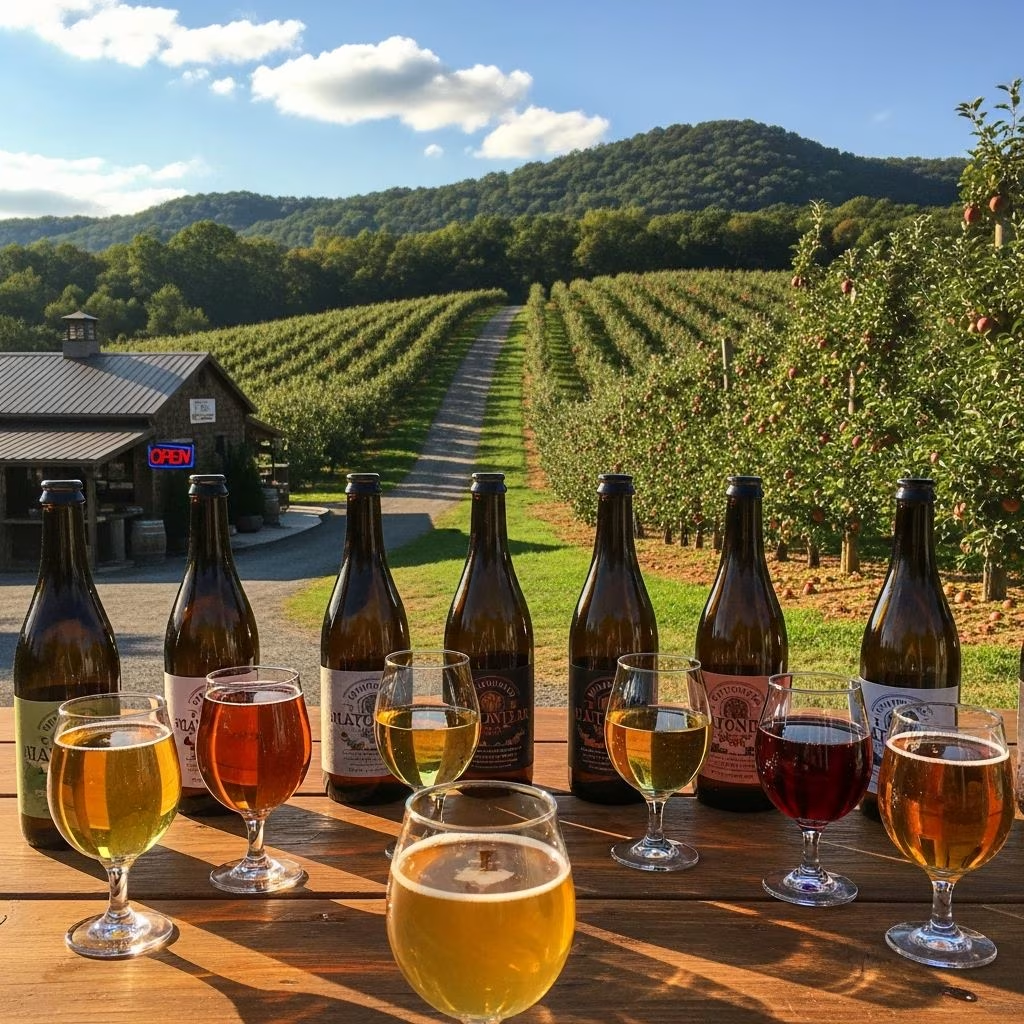
Virginia’s cider story begins with early American icons like Thomas Jefferson and George Washington, who championed apple cultivation in the late 1700s. These founders planted some of the commonwealth’s inaugural orchards, recognizing the fruit’s potential for fermentation into refreshing drinks. Today, this tradition thrives amid the Blue Ridge Mountains, where scattered groves produce diverse apple varieties ideal for cider.
The terrain—from rolling hills to steep valleys—creates microclimates perfect for heirloom apples. Varieties like Harrison and Gold Rush flourish here, offering complex flavors from tart to sweet. Over the past decade, more than a dozen new cideries have emerged, transforming Virginia into a cider powerhouse without losing its historical essence.
Virginia’s Cider Trail spans multiple regions, each with unique landscapes and producer styles. Travelers can focus on one area or tackle the full circuit, collecting digital badges via the American Cider Association’s interactive map for prizes and discoveries.
Production emphasizes local sourcing, with many sites offering tours of presses and fermenters, immersing visitors in the craft.
Perched at 3,000 feet in Virginia’s Blue Ridge, Foggy Ridge Cider claims the title of the state’s oldest modern operation. Founders here prioritize estate-grown heirlooms, fermenting small batches that capture the mountain air’s essence—think crisp acidity with floral notes. Visitors rave about the panoramic views from the tasting porch, paired with wood-fired pizzas.
Near Charlottesville, Potter’s repurposes a historic church into a vibrant taproom. This cidery experiments with techniques like ice cider and barrel-aging, drawing from the Monticello Wine Trail’s vinous influences. Tastings feature flights of dry, off-dry, and fruited options, often with live music enhancing the atmosphere.
In Nellysford, Bold Rock anchors the Nelson 151 Trail amid Blue Ridge vistas. Since 2012, it has championed local apples for approachable, year-round ciders like their crisp original. The expansive grounds include picnic areas, food trucks, and seasonal events, making it family-friendly.
Integrated into the Monticello AVA, this producer links cider to Jefferson’s legacy. Kirkwood Oxx’s operation yields elegant, terroir-driven ciders from rare varieties. The scenic patio overlooks vineyards, with trails for hikes between sips.
| Cidery | Region | Signature Style | Trail Affiliation |
|---|---|---|---|
| Foggy Ridge | Southern Highlands | Heirloom, Dry | Virginia Cider Trail |
| Potter’s Craft | Charlottesville | Innovative, Barrel-Aged | Monticello Wine Trail |
| Bold Rock | Nellysford | Crisp, Local Apples | Nelson 151 Trail |
| Albemarle CiderWorks | Monticello AVA | Terroir-Driven | Monticello Wine Trail |
A multi-day road trip maximizes the experience. Start in the Shenandoah Valley, winding south through Charlottesville to the highlands. Designate a driver or use shuttles, as tastings abound. Spring brings blooms; fall, harvest festivals.
Pack for variable weather; many spots offer glamping or B&Bs nearby. Pair ciders with local cheeses, charcuterie, or Appalachian fare like biscuits and gravy.
Virginia’s ciders span styles: bone-dry for oysters, semi-sweet for barbecue, and sparkling for celebrations. Heirlooms impart spice, tannin, and earthiness rivaling wine. Experts recommend flights to compare single-varietal expressions.
Producers prioritize eco-friendly methods, like regenerative farming to preserve Blue Ridge soils. Many are family-owned, supporting local economies and biodiversity through diverse plantings. Visitors learn about these commitments during tours.
Annual gatherings like the Virginia Cider Festival showcase competitions and live music. The digital trail, active through platforms like the American Cider Association, rewards check-ins with swag. Check Fermentation Farm Trail in Louisa County for emerging spots.
A scenic route linking top cideries across regions, with digital maps for navigation and rewards.
Recommended on weekends; check individual sites for tours or events.
Yes, many offer non-alcoholic options, playgrounds, and food.
Fall for harvest; spring for fewer crowds.
Spans 200+ miles; customizable itineraries fit 3-5 days.
The combination of heritage apples, diverse terroir, and innovative makers positions Virginia as a cider haven. Trails integrate with hiking, history, and cuisine, offering more than drinks—a cultural immersion.
