

 Travel Essentials
 Travel Essentials

Discover critical safety measures, preparation steps, and expert insights for exploring active volcanoes responsibly and enjoyably.
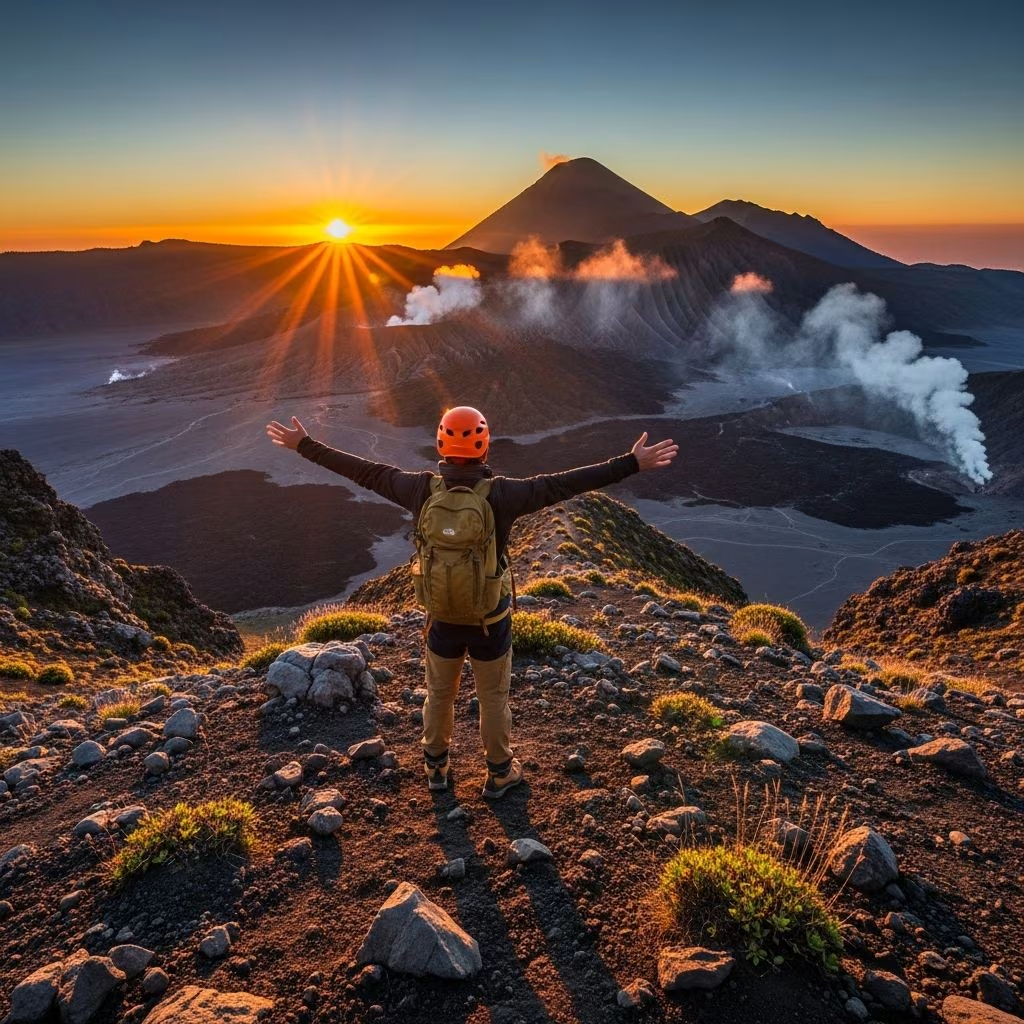 Travel Essentials
Visiting an active volcano offers a rare chance to witness Earth’s raw power up close, but it demands respect for its unpredictable nature. With proper knowledge and preparation, travelers can enjoy this spectacle safely, minimizing risks from eruptions, gases, and terrain instability.
Active volcanoes present multiple hazards that can shift rapidly, requiring constant vigilance. Lava flows, toxic fumes, rockfalls, and sudden collapses are common threats that have led to injuries and fatalities among unprepared visitors.
Environments around volcanoes are inherently unstable. Fresh lava crusts may hide molten material beneath, capable of breaking underfoot. Cliffs formed from accumulated debris can crumble, while rain can mobilize ash into dangerous mudflows called lahars, which behave like fast-moving concrete. Even seemingly dormant sites carry risks, as underground pressures can awaken them abruptly.
Safe distances vary by eruption type—from meters for mild activity to kilometers for explosive events. Always prioritize official guidelines over personal judgment.
Treating a volcano visit like a serious hike equips you best. Sturdy footwear prevents slips on rough surfaces, while layered clothing combats variable summit weather, often chilly and wet.
Pack essentials including a headlamp for low-light areas, ample water, sun protection, rain gear, and a high-visibility vest for detectability. Assess cell signal reliability beforehand; conserve battery for emergencies and download location apps like What3words for precise reporting.
| Item | Purpose | Why Critical |
|---|---|---|
| Sturdy boots | Grip on loose terrain | Prevents falls on rubble and lava |
| Rain jacket & layers | Weather protection | Summits turn cold and wet quickly |
| Headlamp & batteries | Low visibility navigation | Many sites active at night |
| What3words app | Exact location sharing | Essential for remote rescues |
| N95 mask | Gas and ash filtration | Protects respiratory system |
Monitor senses for anomalies: unusual odors signal gas, odd sounds indicate instability, and visible changes warrant immediate retreat. Steer clear of low-lying valleys, prime paths for lava.
Flexible scheduling sidesteps crowds and closures, especially during heightened activity. Opt for early mornings or evenings to avoid peak congestion at popular sites like Kīlauea. Download park apps for real-time maps, alerts, and offline access.
Research closures via official sites and prepare alternatives, such as less-visited units open limited days. Cultural sensitivity enhances experiences—minimize noise, respect sacred areas, and follow pledges like the Pono Pledge for responsible conduct.
Leave detailed itineraries with contacts, match trails to fitness levels, and scout weather forecasts. Park staff offer support via hotlines for queries.
Professionals provide safety and context, turning raw observation into educational journeys. Certified guides interpret geological history, spot subtle dangers, and ensure compliance with zones.
National parks like Hawaiʻi Volcanoes offer free ranger programs daily, covering eruption dynamics and local lore. Avoid unregistered operators, particularly aerial tours ignoring warnings, as they prioritize profit over caution.
Photography enthusiasts should use tripods from designated spots, respecting barricades set by rangers.
Volcanic pollutants demand proactive defenses. Vog and ash infiltrate indoors if unprepared; seal windows, employ air purifiers, and limit outdoor exposure during advisories.
Wear N95 masks outdoors, protect eyes with goggles, and cover skin. Those with respiratory issues should consult physicians pre-trip. Hydrate excessively to counter dehydration from heat and fumes.
Evacuation plans save lives during blasts, lahars, or flows. Identify routes, shelter options, and pet provisions per official directives.
Do not delay for photos if activity escalates—prioritize exit. Stay informed via apps and broadcasts, heeding shelter-in-place for airborne threats.
Hawaiʻi hosts Kīlauea, with trails and overlooks managed for safety amid frequent activity. Iceland’s 30+ volcanoes draw crowds, producing a third of global lava, underscoring global appeal and risks.
Incidents from ignoring barriers highlight rule adherence.
Yes, from designated areas following authorities, but risks rise; check updates.
Leave immediately upwind; gases indicate instability.
Recommended for active sites; essential for rugged terrain.
Shelter indoors, seal openings, use masks outside.
Dawn or dusk to dodge lines.
Volcano tourism captivates with nature’s fury, but safety hinges on preparation and deference to experts. By adhering to guidelines, gearing up properly, and choosing informed paths, adventurers unlock profound awe without peril.
