

Food & Culture Stays Travel Essentials Travel Guides Trip Ideas
Categories
From the Blog
Remy’s Ratatouille Adventure at EPCOT: Ride Review, Tips & 2D Update
Travel Essentials

Volunteer on Maui: Meaningful Service, Conservation & Culture

Explore diverse volunteer opportunities on Maui, from environmental conservation to community support, and learn how to make a positive impact during your visit.
Travel Essentials

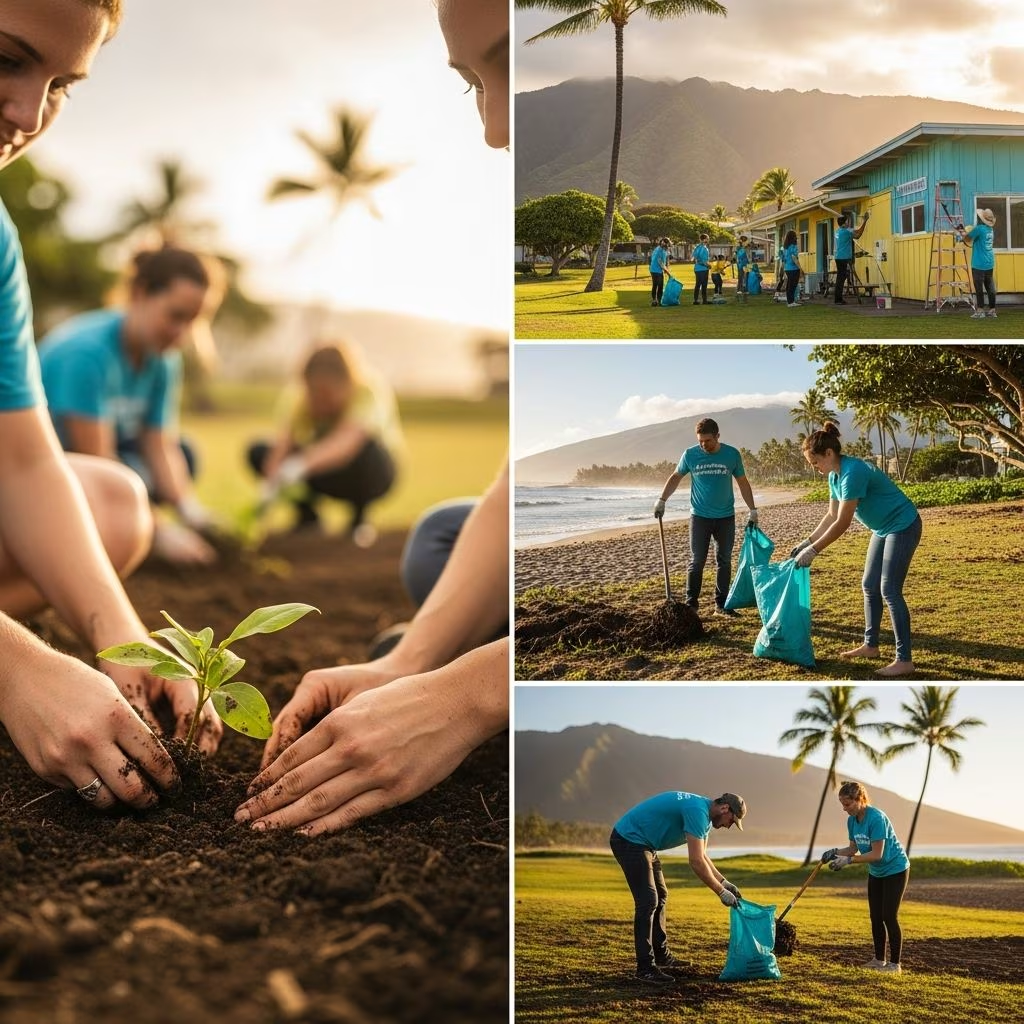
Maui offers visitors and residents alike the chance to engage in meaningful service that extends far beyond typical tourism experiences. By dedicating even a few hours to volunteer work, travelers can contribute to environmental conservation, support vulnerable populations, and help preserve Hawaiian cultural heritage. This approach to travel, often called voluntourism, transforms vacations into opportunities for genuine community impact while fostering deeper connections to the island.

Understanding the Spirit of Service in Hawaii

The Hawaiian concept of mālama — meaning to care for, protect, and preserve — forms the philosophical foundation for volunteer work throughout the islands. This principle extends beyond individual actions to encompass responsibility for the land, ocean, and community. When visitors engage in volunteer activities with this mindset, their contributions align with local values and create more authentic interactions with Maui’s residents and environment.

Volunteering on Maui isn’t simply about completing tasks; it’s about understanding the interconnectedness between tourism, environmental sustainability, and community wellbeing. Many organizations specifically design volunteer programs to educate participants about Hawaiian ecology, cultural practices, and contemporary challenges facing the island.

Getting Started: Essential Resources and Platforms

Several centralized platforms streamline the process of finding and registering for volunteer opportunities across Maui. These hubs serve as the primary gateways for prospective volunteers seeking meaningful engagement.

Primary Volunteer Coordination Centers

  • HandsOn Maui functions as the county’s official volunteer coordination center, maintaining approximately 150 active opportunity listings. The platform, accessible through galaxydigital.com, allows volunteers to register and view opportunities across multiple organizations. Most single-day activities accept walk-in participants or same-week registration, though specialized programs require advance booking.
  • Maui Nui Strong provides a comprehensive resource connecting visitors with volunteer opportunities and community information. This platform, supported by the Office of Economic Development, organizes listings chronologically, making it easy to identify available activities within your travel timeframe.
  • Mālama Hawaiʻi Program through Hawaiʻi Tourism coordinates half-day volunteer opportunities specifically designed for visitors. This structured approach ensures activities align with typical vacation schedules.

Environmental and Conservation Projects

Maui’s unique ecosystems face ongoing threats from climate change, invasive species, and human activity. Environmental volunteer programs address these challenges while educating participants about island ecology.

Coastal and Marine Initiatives

The ocean surrounding Maui requires constant stewardship. Marine-focused volunteer work spans multiple organizations and specializations:

  • Beach Cleanup Operations: Multiple organizations coordinate regular shoreline restoration work. Maui Ocean Center offers flexible cleanup kits available for pickup Tuesday through Friday, providing buckets, gloves, datasheets, and educational materials. Participants choose their preferred beach and time commitment, with activities tracked through social media recognition.
  • Reef Protection Work: Trilogy’s Blue ʻĀina Campaign hosts monthly ocean and reef cleanup events combining professional snorkel or diving activities with educational sessions. Each event includes a $1,000 donation to a featured nonprofit and sponsored meals for participants.
  • Marine Species Monitoring: Pacific Whale Foundation enlists community scientists for whale tracking, beach adoption programs, and marine debris data collection. These activities contribute to ongoing research while building public awareness about ocean conservation.
  • Sea Turtle Protection: Hawaii Wildlife Fund coordinates sea turtle projects and marine debris cleanup initiatives, providing environmental education alongside hands-on conservation work.

Terrestrial Restoration and Reforestation

Forest and watershed projects restore native ecosystems while combating invasive species. Several organizations manage large-scale restoration initiatives:

  • Auwahi Forest Restoration Project: Located on Haleakalā’s southwestern slope, this program hosts monthly volunteer trips for reforestation work in remote areas.
  • Mauna Kahalawai Watershed Partnership: Managing over 50,000 acres in West Maui’s mountains, this organization hosts regular volunteer events at stewardship sites in Waihee and Olowalu to preserve native ecosystems and freshwater resources.
  • Kipuka Olowalu Cultural Reserve: Volunteers participate in traditional taro patch restoration, invasive species removal, and native tree planting twice weekly while learning about Hawaiian agricultural practices.
  • Maui Forest Bird Recovery Project: This conservation initiative focuses on preserving native forest bird species through habitat restoration and research support.

Community Support and Social Services

Beyond environmental work, visitor volunteers contribute significantly to community-based initiatives addressing local needs. These programs create direct human connections and address pressing social challenges.

Food Security and Nutrition Programs

  • Maui Food Bank: Volunteers assist with sorting, packing, and distributing food to those experiencing food insecurity. Regular shifts accommodate various schedules, and the work directly addresses community needs.
  • Feed My Sheep Maui: This mobile food distribution program recruits volunteers for weekly grocery delivery across the island, supporting households unable to access traditional food sources.

Housing and Humanitarian Assistance

  • Habitat for Humanity: Volunteers contribute to home construction for local families or work in the ReStore, selling gently used household items and building materials to fund housing initiatives.
  • Senior Support Services: Na Hoaloha provides volunteers for programs supporting elderly residents, enabling them to maintain independence and enhance quality of life.

Cultural Preservation and Heritage Conservation

Maui’s rich cultural heritage requires active stewardship to remain vibrant for future generations. Heritage-focused volunteer work protects archaeological sites, restores traditional agricultural practices, and document historical knowledge.

  • Maui Fishpond Association: Volunteers assist in restoring one of Maui’s oldest fishponds, constructed in the 1400s at Kalepolepo Beach Park in Kihei.
  • Hawaii Land Trust: This organization coordinates regular volunteer days at sites in Waihee and Kaupo, combining habitat restoration with cultural site preservation.
  • Maui Cultural Lands: Saturday volunteer days focus on archaeological site preservation and native plant reforestation in culturally significant areas.
  • Maui Historical Society: Year-round opportunities include museum assistance, archival work, and educational program support.

Typical Volunteer Day Structure and Expectations

Most organized volunteer activities follow a consistent framework designed to maximize learning and impact while accommodating visitor schedules:

Morning Programs (8:00 AM – 12:00 PM)

  • Safety briefing and equipment distribution
  • Cultural context and project background education
  • Hands-on service work (cleanup, planting, or restoration)
  • Community lunch and group reflection

Afternoon Options (1:00 PM – 4:00 PM)

Extended programs may include additional work sessions, guided nature walks, cultural presentations, or skill-building workshops.

Time Commitments and Accessibility

Volunteer opportunities accommodate diverse schedules and physical abilities. Beach cleanups and educational programs typically span 2-4 hours, making them easily integrated into vacation itineraries. Full-day restoration projects demand greater commitment but provide deeper engagement. Weekly volunteer days, often held on Saturdays, suit longer-stay visitors, while organizations appreciate any time contribution, even single sessions.

Family-Friendly Volunteering Options

Many organizations welcome families with children, though age requirements vary by activity type. Beach cleanups and educational programs typically accommodate all ages when younger children are accompanied by adults. Specialized projects involving debris removal or technical restoration work may establish age restrictions of 16 or older. Parents should verify specific requirements when registering.

Essential Preparation and Cultural Sensitivity

Approaching volunteer work with appropriate respect and preparation enhances both the experience and impact:

  • Learn about Hawaiian culture, history, and contemporary island issues before volunteering
  • Approach all work with genuine intention to help rather than purely for personal experience
  • Follow photography guidelines and respect participants’ privacy
  • Listen more than you speak, allowing residents and organizers to guide conversations
  • Prioritize Native Hawaiian-led organizations when multiple options exist
  • Commit to leaving the island in better condition than you found it

Specialized Programs and Unique Opportunities

Beyond mainstream volunteer channels, several distinctive programs offer specialized engagement:

Agriculture and Farming Experiences

Work exchange programs through platforms like Worldpackers connect volunteers with farms and agricultural projects across Maui. These opportunities typically involve gardening, animal care, or land stewardship in exchange for accommodation and meals, suiting longer-stay volunteers seeking immersive experiences.

Parks and Wilderness Management

Friends of Haleakalā National Park coordinate volunteer projects within the park, though most positions target residents capable of committing several months. Short-term visitors may find occasional opportunities aligned with specific project timelines.

Frequently Asked Questions

How far in advance should I register?

Most single-day activities accept walk-in participants or same-week registration. Specialized programs like debris removal typically require advance booking. Wildfire recovery activities accommodate approximately 50 volunteers per shift and fill quickly, necessitating early registration through organization websites or HandsOn Maui for guaranteed participation.

What age restrictions apply to volunteer activities?

Minimum age requirements vary significantly by organization and project type. Some programs welcome children 16 and older, while others accommodate families with younger children when accompanied by adults. Beach cleanups and educational programs typically welcome all ages, whereas technical restoration or debris removal work may impose age restrictions.

What time commitment is realistic for visitors?

Programs range from 2-4 hour beach cleanups to full-day restoration projects. Weekly volunteer opportunities, often scheduled for Saturdays, suit multi-week stays. Organizations appreciate any commitment level, understanding that visitors operate within vacation timeframes.

Can volunteering accommodate limited physical ability?

Many organizations offer activities suitable for various physical capabilities. Educational programs, data collection, and administrative support provide alternatives to physically demanding conservation work. Contacting organizations directly about your specific needs ensures appropriate placement.

How do I ensure culturally respectful volunteering?

Approach volunteering with humility and genuine commitment to community benefit. Learn about Hawaiian culture beforehand, follow photography guidelines, listen actively to residents and organizers, and support Native Hawaiian-led organizations when possible.

Conclusion: Creating Lasting Impact

Volunteering on Maui transforms travel from passive consumption to active participation in community and environmental stewardship. Whether participants engage in beach cleanups, forest restoration, cultural preservation, or social services, the underlying principle remains consistent: genuine commitment to leaving the island better than one found it. By embracing mālama — the Hawaiian spirit of care and protection — visitors create meaningful memories while contributing to solutions addressing Maui’s most pressing challenges. The combination of purposeful service, cultural education, and community connection elevates voluntourism beyond typical vacation activities into transformative travel experiences that benefit both visitors and island residents.

References

  1. Volunteer on Maui: 15+ Meaningful Opportunities for Travelers — MPP Vacations. 2024. https://www.mppvacations.com/volunteer-on-maui/
  2. Volunteer Opportunities on Maui — Maui Magazine. 2024. https://www.mauimagazine.net/volunteering-maui/
  3. Travel with a Purpose: How to Volunteer on Maui — Lonely Planet. 2024. https://www.lonelyplanet.com/articles/how-to-volunteer-on-maui
  4. Voluntourism on Maui – Go Hawaii — Hawaii Tourism Authority. 2024. https://www.gohawaii.com/islands/maui/malama-maui/voluntourism
  5. Ocean & Marine Conservation Volunteer Opportunities — Pacific Whale Foundation. 2024. https://pacificwhale.org/how-you-can-help/volunteer-opportunities/
SN
Sneha Tete
Sneha is a relationships and lifestyle…

Sneha is a relationships and lifestyle writer with a strong foundation in applied linguistics and certified training in relationship coaching. She brings over five years of writing experience to CultureTreker,  crafting thoughtful, research-driven content that empowers readers to build healthier relationships, boost emotional well-being, and embrace holistic living.Her writing and insights reflect the belief that beauty, happiness, and wellness begin from within, through the harmonious balance of the mind, body, and heart. With a background in instructional design and research writing, Sneha transforms complex topics into practical insights that are easy to understand and apply.Sneha has also self-published a novella on adolescent mental health, highlighting her ability to navigate emotionally layered topics with nuance and empathy. When she's not writing, you'll find her exploring storytelling through photography, diving into K-dramas, or enjoying quiet moments with her family and friends.

← Previous
Best Family Things to Do in Bali: Beaches, Culture & Itineraries
‹›
