 Stays
StaysStays
Waikiki Beach History: From Sacred Springs to Surfing Icon
Explore Waikiki Beach's evolution from marshlands and battlegrounds to a surfing paradise and tourism hub, highlighting key historical milestones and preservation efforts.
 Stays
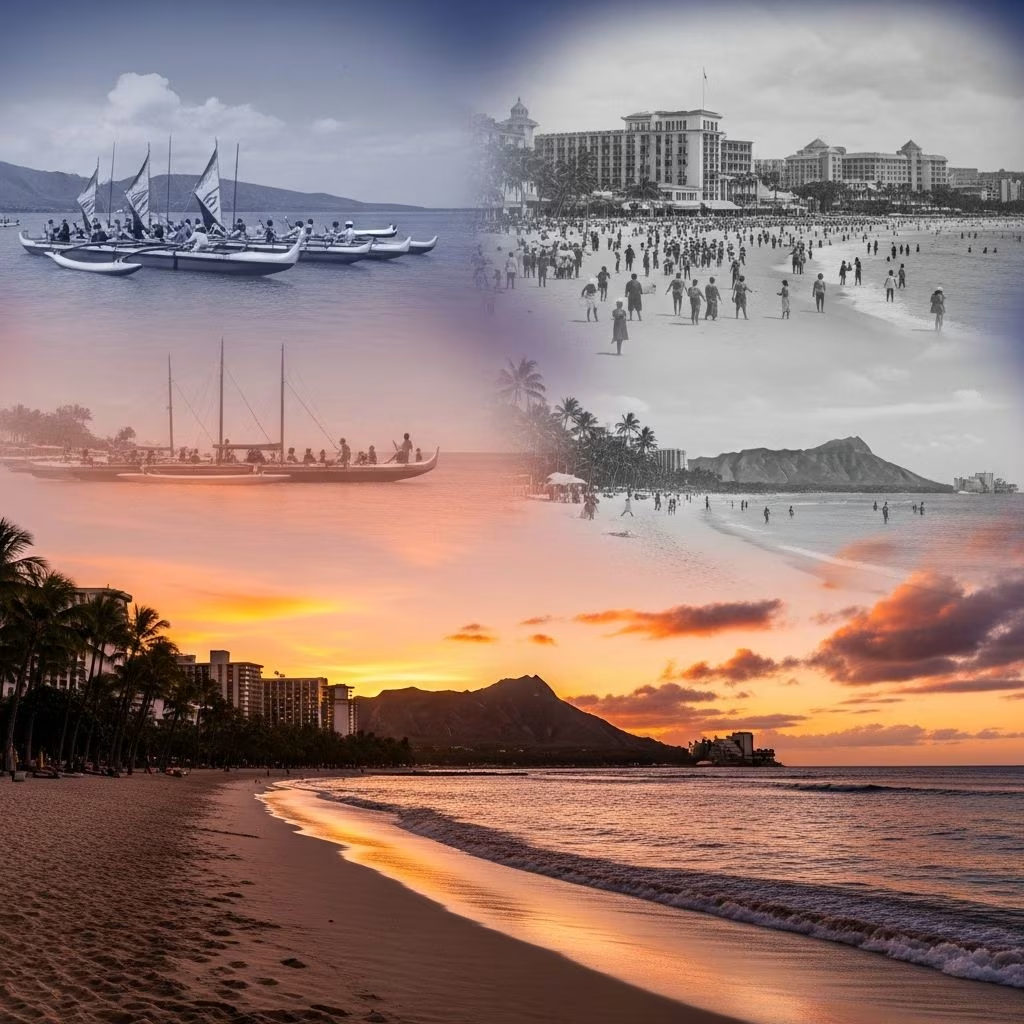
StaysWaikiki Beach, nestled on Oahu’s southern shore, stands as one of the world’s most recognized coastal landmarks. Once a swampy paradise fed by freshwater springs, it evolved into a royal playground, a battle site, and eventually a bustling tourist epicenter. This article delves into its multifaceted past, drawing from historical records to illuminate how natural beauty, cultural shifts, and human intervention shaped this iconic stretch of sand.
Ancient Origins: The Land of Spouting Waters
The name Waikiki translates to “spouting waters” in Hawaiian, evoking the numerous streams and springs that once nourished the area. In pre-contact times, around the 1400s, Chief Kalamakua engineered an ingenious irrigation network, transforming wetlands into productive fishponds and taro fields. These aquaculture systems sustained local communities, making Waikiki a fertile hub on Oahu.
By the mid-15th century, it served as Oahu’s governmental center, a role that underscored its strategic importance amid lush landscapes and abundant marine life. Archaeological evidence points to thriving settlements with thatched huts, coconut groves, and communal fishing practices, fostering a deep connection between people and environment.
- Fishponds and taro patches defined early agriculture.
- Springs created marshy terrain ideal for traditional Hawaiian sustenance.
- Settlement patterns reflected ali’i (chiefly) oversight of resources.
Royal Retreat and Pivotal Battles
Waikiki’s prominence surged with the arrival of Kamehameha I in 1794. Leading warriors from the Big Island, he launched a fleet of canoes onto the beach, staging a decisive campaign against Oahu chief Kalanikupule. This clash culminated in the Battle of Nuuanu Pali, where Kamehameha’s forces prevailed, driving opponents over steep cliffs. Victory solidified his unification of the Hawaiian Islands.
Following conquest, Kamehameha established his royal court in Waikiki around 1809, drawn by its proximity to Honolulu Harbor’s growing trade. The area became a serene escape for Hawaiian monarchy through the 1800s. Kings and queens, including Liliuokalani, relished its calm lagoons for leisure, including early surfing on massive wooden boards.
Even after the capital shifted westward, Waikiki retained elite appeal. Lavish summer homes dotted the shore, built by ali’i and affluent foreigners post-1850 land reforms allowing alien purchases.
Emergence of Tourism: From Bathhouses to Grand Hotels
The late 19th century marked Waikiki’s pivot toward hospitality. In the 1880s, modest bathhouses and guesthouses emerged, catering to visitors seeking ocean dips. Greek-American George Lycurgus leased a property in 1893, dubbing it Sans Souci—”without cares”—pioneering beachside resorts. Literary luminary Robert Louis Stevenson lodged there, boosting its fame among mainland tourists. The adjacent Sans Souci Beach endures as a nod to this era.
A new chapter dawned in 1901 with the Moana Hotel (now Moana Surfrider), Waikiki’s first luxury establishment. Financier Walter Chamberlain Peacock erected this 75-room marvel, featuring electric elevators, private baths, and recreational amenities like billiards and salons. Though initial profits lagged, expansions in 1918 cemented its status amid surging arrivals.
| Hotel | Opening Year | Key Features |
|---|---|---|
| Sans Souci | 1893 | Beachfront guesthouse, early tourist draw |
| Moana Surfrider | 1901 | Elevators, spa, wings added later |
Territorial initiatives, like the 1907 Waikiki Reclamation Commission, accelerated change. Street widenings, bridges, and drainage of wetlands paved the way for commercialization, draining ponds to reclaim land for development.
The Surfing Revolution and Duke Kahanamoku’s Legacy
Waikiki’s waters birthed modern surfing culture, propelled by Duke Kahanamoku. A native son and Olympic swimming gold medalist, Duke mastered ancient he’e nalu (wave-sliding) on longboards, captivating global audiences. Post-Olympics, he taught legions of visitors, branding Waikiki as surfing’s mecca.
His influence endures: Duke’s Waikiki club nurtured talents like Don Ho, hosting enduring shows. Today, surf schools dot the beach, honoring this heritage amid iconic breaks like Queen’s and Canoes.
- Duke’s Olympic feats popularized surfing worldwide.
- Waikiki’s gentle waves suited beginners, fueling tourism.
- Longboards evolved into modern shortboards partly through his demonstrations.
World Wars and Military Respite
Waikiki’s role shifted dramatically during global conflicts. From 1941-1945, it became a vital R&R haven for Pacific theater troops. The Moana Hotel hosted soldiers en route to battle, offering solace amid uncertainty—last stop outbound, first welcome home.
Post-WWII, infrastructure boomed: the Ala Wai Canal (1927) and Yacht Harbor tamed the interior, while the Natatorium—a 200-foot ocean pool on the reef—drew swimmers until its 1979 closure.
Environmental Challenges: Erosion and Transformation
Paradoxically, Waikiki’s allure bred decline. Late 1800s construction encroached on dunes, disrupting sand flows. By 1950, over 80 seawalls, groins, piers, and drains fragmented the once-continuous beach.
Sand imports from Manhattan Beach, California, in the 1920s-1930s provided temporary relief. Queen Liliuokalani’s property supplied fill circa 1909, but dredging reefs exacerbated erosion. Groins starved adjacent sections, creating patchy shorelines.
Restoration persists: 2012 widened a 1,700-foot segment by 37 feet using offshore shoal sand, reverting to 1985 contours and removing outdated sandbags. Events like the 2000 FINA Swimming Championships highlight ongoing vitality.
Modern Waikiki: Balancing Heritage and Hospitality
Today, Waikiki thrives with high-rises, luxury resorts, and vibrant nightlife, yet echoes its roots in hula performances and cultural centers. Challenges like overdevelopment and erosion demand sustainable practices, from beach nourishment to reef protection.
Visitors flock for sunsets, Diamond Head views, and water sports, contributing to Hawaii’s economy. Preservation honors figures like Kahanamoku, ensuring Waikiki’s story endures.
Frequently Asked Questions (FAQs)
What does Waikiki mean?
Waikiki means “spouting waters,” referencing ancient freshwater springs.
Who was the first king to use Waikiki as a base?
Kamehameha I established his court there post-1794 conquest.
When did the first hotel open?
Sans Souci in 1893 preceded Moana Surfrider in 1901.
Why does Waikiki face erosion?
Seawalls and development block natural sand replenishment.
What is Duke Kahanamoku’s contribution?
He globalized surfing from Waikiki’s waves.
References
- Waikīkī – Wikipedia — Wikipedia contributors. 2023. https://en.wikipedia.org/wiki/Waik%C4%ABk%C4%AB
- History of Waikiki — Waikiki.com. N/A. http://waikiki.com/insiders_guide/history_of_waikiki.html
- The Hidden History of Waikiki (Part 1) — Hawaii Life. N/A. https://www.hawaiilife.com/blog/hidden-history-of-waikiki-part-1/
- History of Waikiki Hotels, 1893 to Present — Hawaii Living. N/A. https://www.hawaiiliving.com/blog/history-waikiki-hotels/
- Waikiki Beach, Oahu, Hawaii: History of its transformation — DLNR Hawaii (PDF). 2008-08-01. https://dlnr.hawaii.gov/occl/files/2013/08/Wiegel-2008-ShoreAndBeach-Waikiki-history.pdf
- A History of Waikiki Beach — Wilde Sparrow. N/A. https://wildesparrow.com/history-waikiki-beach-hawaii-family-photos/
On This Page
Ancient Origins: The Land of Spouting Waters Royal Retreat and Pivotal Battles Emergence of Tourism: From Bathhouses to Grand Hotels The Surfing Revolution and Duke Kahanamoku's Legacy World Wars and Military Respite Environmental Challenges: Erosion and Transformation Modern Waikiki: Balancing Heritage and Hospitality Frequently Asked Questions (FAQs)← Previous
Best Things to Do in South Carolina: Beaches, History & Hidden Gems
Next →
John Lennon & Yoko Ono Suite at Fairmont The Queen Elizabeth
Related Reading